
Keeping landscapes clean, healthy, and visually appealing is not simply a matter of mowing grass or trimming hedges. One of the most persistent challenges for homeowners, commercial property managers, farmers, and councils is the constant growth of weeds.
These unwanted plants compete with lawns, flowers, shrubs, and crops for water, sunlight, nutrients, and space. If left unmanaged, weeds can spread quickly, weaken desirable plants, damage surfaces, and increase long-term maintenance costs.
This is where professional weed control services become valuable. Rather than relying on short-term fixes, these services use strategic methods to reduce weed populations, prevent regrowth, and improve the overall health of outdoor spaces. Effective weed management combines knowledge of plant biology, treatment timing, soil conditions, and environmental responsibility.
A common question asked by property owners is What is the most effective weed control? The most accurate answer is that the most effective weed control is usually an integrated approach that combines prevention, targeted removal, healthy landscape management, and selective treatment methods based on the type of weeds present.
This blog explores Weed Removal services in depth, explains the most effective control strategies, and helps readers understand how to achieve lasting results in residential, commercial, and rural settings.
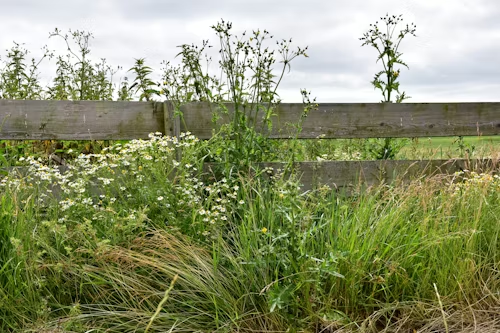
Understanding Weed Control Services
Weed control services are professional solutions designed to identify, treat, manage, and prevent unwanted plant growth. These services can be used on residential lawns, gardens, farms, industrial sites, public spaces, and commercial landscapes.
Why Weeds Need Proper Management
Weeds are more than an appearance issue. They compete aggressively with useful plants and can quickly dominate neglected areas. Some weeds damage concrete and pavers by growing through cracks. Others attract pests, create allergy issues, or become fire hazards during dry seasons. In agricultural environments, weeds can reduce productivity and contaminate crops or pasture.
Why Professional Services Matter
Many people try to solve weed issues with occasional spraying or pulling, but results are often temporary. Professional weed control services assess the root cause of infestations and apply a structured treatment plan that focuses on long-term improvement.
What Is the Most Effective Weed Control
The most effective weed control is integrated weed management, which combines several proven methods rather than relying on one solution alone.
Why No Single Method Solves Every Problem
Weed species vary greatly. Some spread by seeds, others through underground roots, bulbs, rhizomes, or runners. Some appear seasonally, while others persist year-round. Because of these differences, one technique may work well for one weed but fail against another.
Why Integrated Methods Work Best
Integrated weed management addresses weeds from multiple angles. It removes existing growth, prevents future germination, improves surrounding plant health, and reduces the environmental conditions weeds prefer. This creates more reliable and lasting control.
Common Types of Weeds Found on Properties
Knowing what type of weed is present is one of the first steps toward effective treatment.
Broadleaf Weeds
Broadleaf weeds include dandelions, clover, thistles, bindii, and plantain. They are common in lawns and open soil areas. Many respond well to selective treatments.
Grassy Weeds
Grassy weeds often resemble turf grass but grow aggressively and unevenly. Examples include crabgrass and winter grass. These weeds can be harder to identify early.
Sedges
Sedges thrive in moist or compacted soil. Nutgrass is a well-known example and often requires specific treatment methods.
Woody and Creeping Weeds
Some weeds form shrubs, vines, or dense creeping mats. These species may need repeated control efforts or professional removal strategies.
The Most Effective Preventive Weed Control Methods
Preventing weeds is often easier and more affordable than treating large infestations.
Mulching Bare Soil
Mulch is one of the most effective preventive tools available. It blocks sunlight, suppresses germination, conserves soil moisture, and improves garden appearance.
Maintaining Healthy Lawns
A thick, healthy lawn naturally crowds out many weed species. Correct mowing height, regular feeding, and proper watering make turf more competitive.
Correct Irrigation Practices
Overwatering or poor drainage creates conditions that many weeds enjoy. Efficient watering supports desired plants while discouraging opportunistic growth.
Dense Planting in Garden Beds
Closely spaced shrubs and groundcovers reduce exposed soil and limit room for weeds to establish.
Manual Weed Control Methods
Physical removal remains highly effective when used correctly.
Hand Pulling
Hand pulling works best for small infestations or isolated weeds. It is especially useful when the soil is moist, and roots can be removed fully.
Hoeing and Cultivation
Light cultivation removes young weeds before they mature and produce seed. This method is common in vegetable gardens and open beds.
Digging Persistent Roots
Some weeds regrow from fragments. Digging out root systems is necessary for long-term success.
When Manual Removal Is Best
Manual control is ideal around edible plants, delicate ornamentals, or areas where chemical use is undesirable.
Chemical Weed Control Methods
Herbicides can be highly effective when used correctly and responsibly.
Selective Herbicides
Selective herbicides target certain weed groups while leaving turf or specific plants unharmed when applied properly.
Non-Selective Herbicides
These products kill most vegetation they contact and are commonly used on driveways, fence lines, and renovation sites.
Pre-Emergent Herbicides
Pre-emergents prevent weed seeds from germinating. They are often used seasonally before expected outbreaks.
Post-Emergent Herbicides
These treat weeds after they have appeared. Correct timing improves results, especially when weeds are actively growing.
Why Professional Application Matters
Incorrect product choice or overuse can damage surrounding plants. Professional technicians help ensure safe and effective treatment.
Natural and Eco-Friendly Weed Control Options
Many property owners prefer lower-impact approaches.
Boiling Water and Heat Treatments
Heat-based methods can destroy weeds growing in cracks or paved areas. These are useful for small hardscape infestations.
Organic Contact Sprays
Some products use plant acids or natural ingredients to burn foliage. They may require repeat applications and are most effective on young weeds.
Mulch and Hand Removal Programs
A combination of regular hand weeding and mulch application can dramatically reduce weed pressure over time.
Why Timing Is Critical in Weed Control
Even the best treatment can fail if applied at the wrong time.
Treating Young Weeds Early
Young weeds are easier to remove and less established. Early intervention prevents seed production.
Seasonal Applications
Different weeds emerge in different seasons. Spring and autumn are often key treatment periods depending on the climate.
Avoiding Stress Periods
During drought or extreme heat, some weeds may not absorb treatments effectively. Timing matters.
Weed Control Services for Residential Properties
Homes benefit greatly from structured weed management.
Front Lawns
Weed-free lawns improve curb appeal and property presentation.
Backyard Gardens
Beds containing flowers, herbs, or vegetables need careful weed control to avoid competition.
Driveways and Paths
Crack weeds can create trip hazards and damage paving materials.
Rental Properties
Routine weed maintenance helps keep properties attractive and manageable between tenants.
Weed Control Services for Commercial Sites
Commercial properties need consistent presentation and safety.
Retail Locations
Clean landscapes create a stronger first impression for customers.
Office Complexes
Managed gardens and paths reflect professionalism and care.
Industrial Yards
Weed-free storage areas and boundaries improve access and reduce fire risk.
Hospitality Venues
Restaurants, hotels, and event venues benefit from polished outdoor spaces.
Weed Control for Rural and Agricultural Land
Larger landholdings face unique challenges.
Pasture Management
Weeds reduce grazing quality and compete with pasture species.
Fence Lines and Tracks
Uncontrolled weeds spread seeds across wider areas and obstruct access.
Crop Areas
Effective weed control protects yield, irrigation efficiency, and harvest quality.
Signs That Weed Problems Need Professional Help
Some situations are best handled by experts.
Rapid Regrowth After DIY Treatment
If weeds return quickly, the root cause may not be addressed.
Unknown Weed Species
Misidentifying weeds often leads to poor treatment choices.
Large Infestations
Wide areas require efficient equipment and structured planning.
Difficult Weeds Like Nutgrass or Creepers
Persistent species often need specialist knowledge.
How Professionals Deliver Effective Weed Control
Professional services provide more than spraying.
Site Assessment
Technicians inspect soil, drainage, weed species, sunlight, and surrounding plants.
Custom Treatment Plans
Different zones of the property may need different methods.
Safe Product Handling
Licensed operators understand dosage, weather conditions, and application safety.
Follow-Up Monitoring
Repeat visits may be needed to complete long-term control.
Mistakes That Reduce Weed Control Effectiveness
Many common habits undermine results.
Cutting Instead of Removing
Mowing or trimming weeds may hide them, but does not solve the issue.
Using the Wrong Product
A broadleaf herbicide may not work on sedges or grassy weeds.
Ignoring Soil Problems
Compaction, poor fertility, and drainage issues often support weed growth.
Letting Weeds Seed
One neglected outbreak can create future infestations.
Choosing the Right Weed Control Service
The provider you choose matters.
Experience and Knowledge
Look for technicians with proven expertise in local weed species.
Clear Communication
Good providers explain what they found, what they recommend, and expected outcomes.
Safe and Responsible Practices
Choose professionals who follow regulations and environmentally sound methods.
Maintenance Options
Ongoing service plans usually provide stronger long-term results than one-off visits.
How Much Weed Control Services May Cost
Pricing depends on several factors.
Size of the Area
Larger properties need more time and materials.
Severity of Infestation
Heavy growth or invasive species may need repeated treatment.
Treatment Type
Manual removal, spraying, mulching, and specialist work differ in cost.
Frequency of Service
Regular maintenance can reduce major future expenses.
Long-Term Strategies for Lasting Weed Control
Sustainable success comes from consistency.
Inspect Regularly
Spotting early weeds keeps problems manageable.
Keep Soil Covered
Mulch, turf, and plant cover reduce germination opportunities.
Strengthen Desired Plants
Healthy lawns and gardens naturally compete with weeds.
Use Seasonal Programs
Scheduled prevention often works better than emergency treatment.
Frequently Asked Questions
What is the most effective weed control?
The most effective weed control is integrated management that combines prevention, manual removal, healthy landscape care, and selective herbicides when necessary.
How often should weed control be done?
Many properties benefit from seasonal treatments or ongoing maintenance, depending on climate and weed pressure.
Can weeds be permanently eliminated?
Weed seeds can remain in soil for years, so permanent elimination is difficult. Consistent management provides the best long-term control.
Conclusion
Weed control is not about a single spray, a one-time cleanup, or pulling visible plants once a year. Effective weed management requires understanding why weeds appear, how they spread, and what conditions allow them to thrive. When these factors are addressed together, outdoor spaces become healthier, cleaner, and easier to maintain.
So, what is the most effective weed control? In practical terms, it is an integrated strategy that combines prevention, healthy lawn and garden care, timely removal, and professional treatment when needed. This approach consistently outperforms isolated short-term solutions.
Professional weed control services bring knowledge, efficiency, and long-term planning to the process. Whether managing a small backyard, a commercial site, or a large acreage property, expert weed management is one of the smartest investments for lasting outdoor results.