
Buying used car parts can be a practical way to save money, especially when maintaining or repairing an older vehicle. However, the concern about quality often holds buyers back. Unlike brand-new components, second-hand parts come with a history that isn’t always visible at first glance.
Understanding how to evaluate these parts is essential to avoid costly mistakes and ensure your vehicle remains safe and reliable.
Many car owners turn to the second-hand market not just for affordability, but also for access to rare or discontinued components. While the benefits are clear, the risks can be significant if proper checks are not carried out. Poor-quality parts can lead to mechanical failure, reduced performance, or even safety hazards on the road.
Car parts wreckers play a major role in supplying used components, often sourcing vehicles that are no longer roadworthy and salvaging functional parts. This makes them a valuable resource, but it also means buyers must be vigilant in assessing the condition of what they are purchasing.
This guide explores how to determine whether used car parts are in good condition, providing practical insights into inspection, sourcing, and making informed decisions.
Understanding the Lifecycle of Used Car Parts
What Happens Before a Part Reaches the Market
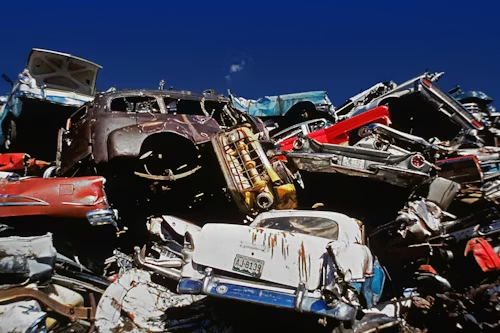
Used car parts typically originate from vehicles that have been written off due to accidents, age, or mechanical failure. However, not every component in such vehicles is damaged. Many parts remain functional and can be reused after proper inspection and removal.
The journey from vehicle to resale involves dismantling, sorting, and sometimes cleaning or refurbishing. Reputable suppliers ensure that only usable components are offered for sale, while others may prioritise volume over quality. This difference in approach directly impacts the condition of the parts available.
The Difference Between Salvaged and Refurbished Parts
Salvaged parts are removed and sold in their existing state, whereas refurbished parts undergo repairs or reconditioning. Knowing which category a part belongs to helps set expectations regarding durability and performance.
Refurbished parts often come at a slightly higher cost but provide greater reliability. Salvaged parts, while cheaper, require closer inspection and a higher level of scrutiny from the buyer.
Why Condition Varies Significantly
No two used parts are identical, even if they come from the same model of vehicle. Factors such as mileage, maintenance history, environmental exposure, and the nature of the vehicle’s damage all influence the condition.
For instance, a component from a low-mileage vehicle involved in a rear-end collision may be in excellent condition, while the same part from a high-mileage car may show significant wear.
Key Indicators of Good Quality Used Car Parts
Visual Inspection and Surface Condition
The first step in assessing a used car part is a thorough visual inspection. Look for signs of corrosion, cracks, dents, or excessive wear. Surface rust may be acceptable for certain metal components, but deep corrosion can compromise structural integrity.
Pay close attention to edges, joints, and connection points. These areas often reveal hidden damage that may not be immediately obvious.
Signs of Wear and Tear
Every mechanical component experiences wear over time, but excessive wear is a warning sign. For example, brake discs should have a smooth surface without deep grooves, and rubber components like hoses should not show signs of cracking or brittleness.
Uniform wear is generally acceptable, whereas uneven wear may indicate underlying issues that could affect performance.
Functional Testing Where Possible
Whenever possible, request a demonstration or test of the part. Electrical components, for instance, should be tested to ensure they function correctly. Even simple checks, such as verifying that a motor spins smoothly or a switch operates properly, can provide valuable assurance.
If testing is not possible, ask for documentation or guarantees that confirm the part has been checked.
The Role of Trusted Suppliers in Quality Assurance
Choosing Reputable Sellers
The reliability of used car parts often depends on the seller. Established suppliers with a strong reputation are more likely to provide quality components and accurate descriptions.
Look for businesses that specialise in dismantling vehicles and have clear processes for inspection and grading. Reviews, recommendations, and industry certifications can also help identify trustworthy sellers.
Importance of Transparency
A reputable seller should be willing to provide detailed information about the part, including its origin, condition, and compatibility. Transparency builds confidence and reduces the risk of purchasing unsuitable components.
If a seller is vague or unwilling to answer questions, it may be best to consider alternative options.
Warranty and Return Policies
One of the strongest indicators of confidence in a product is the availability of a warranty. Even a limited warranty suggests that the seller stands behind the quality of their parts.
Return policies are equally important, as they provide a safety net if the part does not meet expectations or fit correctly.
Matching Parts Correctly to Your Vehicle
Understanding Compatibility
A part may be in excellent condition but still be unsuitable for your vehicle. Compatibility depends on factors such as make, model, year, and engine type. Even minor differences can affect fit and function.
Always verify part numbers and specifications before making a purchase. Cross-referencing with manufacturer data ensures accuracy.
Risks of Incorrect Parts
Using incompatible parts can lead to poor performance, increased wear on other components, or even mechanical failure. In some cases, it may also void warranties or fail safety inspections.
Taking the time to confirm compatibility is just as important as assessing the condition.
Seeking Expert Advice
If you are unsure about compatibility, consult a mechanic or automotive specialist. Their expertise can help prevent costly mistakes and ensure that the part you choose is appropriate for your vehicle.
Red Flags to Watch Out For When Buying Used Parts
Unusually Low Prices
While affordability is a key advantage of used parts, prices that seem too good to be true often indicate underlying issues. Extremely low prices may reflect poor condition, lack of testing, or even counterfeit products.
Balancing cost with quality is essential to avoid long-term expenses.
Lack of Documentation
A reliable seller should provide basic documentation, such as part details, condition reports, or testing results. The absence of such information makes it difficult to assess quality and increases the risk of purchasing defective components.
Poor Storage Conditions
How a part is stored can significantly affect its condition. Exposure to moisture, extreme temperatures, or contaminants can cause deterioration even after removal from the vehicle.
Inspect the storage environment or ask questions about how the parts are kept before sale.
Frequently Asked Questions
How can I be sure a used car part will last?
While no used part comes with a guaranteed lifespan, choosing components from reputable suppliers, inspecting them carefully, and ensuring proper compatibility significantly increases the likelihood of long-term performance.
Are used car parts safe to use?
Yes, used car parts can be safe if they are in good condition and sourced from reliable sellers. Critical components such as brakes or steering parts should be inspected thoroughly or purchased refurbished for added assurance.
Is it better to buy refurbished parts instead of used ones?
Refurbished parts generally offer greater reliability because they have been repaired and tested. However, high-quality used parts can still be a cost-effective option if inspected properly.
Conclusion
Determining the quality of used car parts requires a combination of observation, research, and careful decision-making. From understanding how parts are sourced to recognising signs of wear and choosing trustworthy suppliers, each step plays a role in ensuring a successful purchase.
Buyers who take the time to inspect components, verify compatibility, and ask the right questions are far more likely to find reliable parts that meet their needs. The second-hand market offers significant value, but only when approached with knowledge and caution.
Ultimately, the key lies in balancing cost savings with quality assurance. By applying the principles outlined above, car owners can confidently navigate the used parts market and make informed choices that support both their vehicle’s performance and their budget.