
Pest problems can appear in almost any environment, from small apartments to large homes, offices, restaurants, warehouses, and outdoor spaces.
Ants moving through kitchens, cockroaches hiding in dark corners, rodents nesting in storage areas, mosquitoes breeding near standing water, and termites silently damaging timber are all examples of how quickly pests can affect daily life.
Because of this, many people ask an important and practical question: what is the most effective pest control? The answer is not a single product, spray, or method. Instead, effective pest control is a combination of strategies that work together to eliminate pests, prevent recurrence, and reduce conditions that attract them in the first place.
Modern pest control has evolved significantly. Instead of relying only on chemical spraying, today’s most effective systems use inspection, identification, prevention, monitoring, targeted treatment, and long-term maintenance. This integrated approach is more reliable, safer, and longer-lasting.
This guide explains how Effective Pest Control works, how different methods work, why some solutions fail, and how homeowners and businesses can build long-term protection against pests.
What Is the Most Effective Pest Control
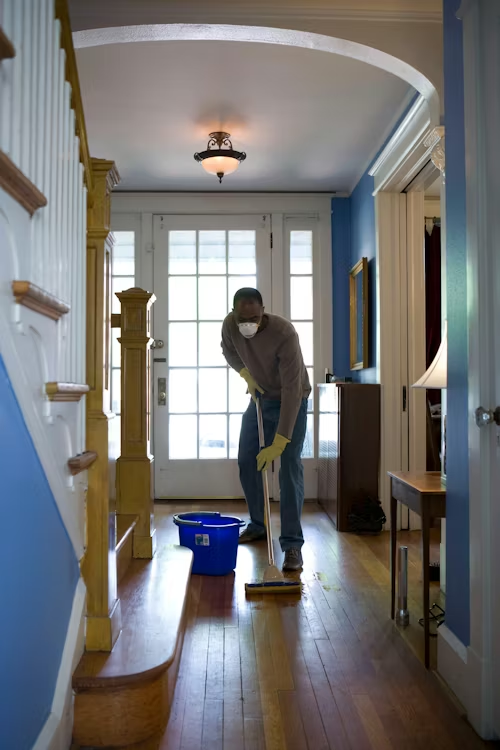
The most effective pest control is integrated pest management, often supported by targeted professional treatment combined with prevention practices.
Rather than focusing on simply killing visible pests, effective pest control addresses the entire environment. It removes food sources, eliminates moisture problems, blocks entry points, identifies nesting areas, and applies treatments strategically where needed.
This combination approach ensures that pests are not only removed but also discouraged from returning.
Why There Is No Single “Best” Method
One of the most common misunderstandings is the belief that a single spray, trap, or chemical can solve all pest problems.
In reality, pests behave differently depending on species, environment, and available resources. What works for ants may not work for rodents. What works for cockroaches may not work for termites.
Effective pest control must be adaptable. It must match the pest type, severity of infestation, and property conditions.
The Core Principles of Effective Pest Control
Strong pest control systems are built on several key principles.
Accurate Identification
Knowing exactly what pest is present is the first step. Misidentification often leads to ineffective treatment.
Understanding Behavior
Different pests feed, hide, and reproduce in different ways. Understanding behaviour allows better targeting.
Eliminating Resources
Food, water, and shelter must be reduced or removed to make environments less attractive.
Blocking Entry Points
Sealing access routes prevents new infestations from forming.
Targeted Treatment
Instead of widespread chemical use, precise application is often more effective.
Ongoing Monitoring
Checking for early signs ensures that problems do not return unnoticed.
Why Integrated Pest Management Is the Most Effective Approach
Integrated Pest Management (IPM) is widely considered the most effective pest control method because it combines multiple strategies instead of relying on one solution.
Step One Inspection
Professionals assess the property, identify pests, and locate entry points or nesting areas.
Step Two Prevention
Conditions that attract pests are reduced through sanitation, repairs, and structural improvements.
Step Three Targeted Treatment
Pesticides or other methods are used only where necessary and in controlled amounts.
Step Four Monitoring
Follow-up checks ensure pests do not return.
This system reduces chemical use while improving long-term success.
Chemical Pest Control and Its Role
Chemical treatments remain part of pest control, but they are not the only solution.
When Chemicals Are Effective
Chemicals are useful for rapid knockdown of active infestations, especially for cockroaches, ants, and flies.
Limitations of Chemicals
Sprays alone often do not eliminate nests or root causes. Overuse may also lead to resistance in some pests.
Smart Chemical Use
Effective pest control uses chemicals strategically, not excessively.
Biological and Natural Pest Control Methods
Some pest control strategies use natural predators or environmentally friendly methods.
Biological Control
This involves using natural enemies of pests, such as beneficial insects, in agricultural settings.
Natural Repellents
Certain oils, plant-based compounds, or deterrents may help reduce activity in limited cases.
Physical Barriers
Screens, traps, and seals are non-chemical methods that improve control.
These methods are often used alongside other strategies.
Physical Pest Control Methods
Physical methods are among the most reliable components of pest management.
Traps
Used for rodents and insects to monitor and reduce populations.
Sealing Entry Points
Closing gaps in walls, doors, and windows reduces access.
Removal of Infested Materials
In severe cases, contaminated items may need to be removed or replaced.
Physical control is especially effective for prevention.
Why Prevention Is the Most Powerful Form of Pest Control
Prevention is often more effective than treatment because it stops infestations before they start.
Reducing Food Sources
Clean surfaces and proper food storage limit attraction.
Managing Moisture
Leaks and humidity attract many pests.
Removing Clutter
Fewer hiding places reduce pest survival.
Regular Maintenance
Ongoing care helps prevent recurring problems.
Prevention is the foundation of long-term pest control success.
How the Environment Affects Pest Control Effectiveness
The surrounding environment plays a major role in how effective pest control will be.
Urban Areas
Shared walls and dense housing can increase pest movement between properties.
Rural Areas
Outdoor pests may enter homes more frequently due to proximity to nature.
Climate Conditions
Warm and humid environments often support higher pest activity.
Understanding environmental influence helps improve strategy.
Common Pests and Effective Control Approaches
Cockroaches
Effective control includes sanitation, baiting systems, and crack-and-crevice treatments.
Ants
Colony targeting and entry-point sealing are more effective than surface spraying alone.
Rodents
Trapping, exclusion, and food source removal are essential.
Termites
Professional structural treatment and monitoring systems are required.
Mosquitoes
Water removal and outdoor management are key.
Each pest requires a different approach.
Why Pest Control Often Fails
Even with treatment, pests may return if underlying issues remain.
Ignoring Entry Points
If pests can still enter, reinfestation is likely.
Incomplete Treatment
Only treating visible pests does not solve hidden colonies.
Poor Sanitation
Food and waste continue attracting pests.
Lack of Follow-Up
Without monitoring, early reinfestation may go unnoticed.
Understanding failure points improves success rates.
Professional Pest Control vs DIY Methods
DIY Methods
DIY tools can help with small issues but may not address root causes.
Professional Methods
Professionals use inspection, identification, targeted treatment, and monitoring.
Combined Approach
The most effective system often combines professional support with homeowner maintenance.
Importance of Inspection in Effective Pest Control
Inspection is the foundation of any successful pest control plan.
Without inspection, treatment becomes guesswork. With inspection, professionals can identify exact pest types, locate nests, and design accurate solutions.
Inspection improves efficiency and reduces wasted effort.
Monitoring as a Long-Term Strategy
Monitoring ensures that pest activity does not return unnoticed.
Traps and Stations
These help track pest movement and activity levels.
Routine Checks
Regular inspections catch early warning signs.
Data Tracking
Some services record pest patterns over time.
Monitoring is essential for long-term effectiveness.
Cost vs Effectiveness in Pest Control
Cheaper solutions may not always be effective.
A low-cost treatment that fails repeatedly may end up more expensive than a single effective solution.
True effectiveness includes long-term results, not just immediate savings.
How Homeowners Can Improve Pest Control Results
Keep Areas Clean
Reduce food and grease buildup.
Fix Leaks Quickly
Remove water sources that attract pests.
Store Food Properly
Use sealed containers.
Reduce Clutter
Limit hiding spaces.
Act Early
Small problems are easier to solve.
These habits significantly improve treatment success.
Seasonal Pest Control Effectiveness
Pest behaviour changes with seasons.
Warm Seasons
Increased insect activity requires stronger prevention.
Wet Seasons
Moisture-related pests become more active.
Cooler Seasons
Rodents may seek indoor shelter.
Seasonal awareness improves timing and effectiveness.
Why Custom Solutions Work Better
Not all properties face the same pest challenges.
Custom solutions consider building structure, pest type, environment, and previous infestation history. This tailored approach increases effectiveness significantly.
The Role of Technology in Modern Pest Control
Technology improves accuracy and efficiency.
Digital monitoring systems, advanced baiting techniques, and improved detection tools help professionals identify issues faster and respond more precisely.
Modern pest control is more data-driven than ever.
Frequently Asked Questions
What is the most effective pest control method?
Integrated Pest Management is considered the most effective because it combines prevention, monitoring, and targeted treatment.
Can one spray solve pest problems?
No. Sprays alone rarely solve underlying causes.
Is professional pest control always necessary?
Not always, but it is highly effective for recurring or severe infestations.
Conclusion
If you are asking what the most effective pest control is, the answer is not a single product or quick fix. The most effective system is a balanced strategy that combines inspection, prevention, targeted treatment, monitoring, and long-term maintenance.
Pests are adaptive, so control methods must also be adaptive. Homes and businesses that focus on prevention and integrated management consistently achieve better and longer-lasting results.
Effective pest control is not just about removing pests. It is about creating environments where pests cannot easily survive or return.