
Healthy, radiant skin is often associated with confidence, vitality, and overall well-being. Over time, however, factors such as aging, sun exposure, environmental pollutants, lifestyle habits, and stress can affect the skin’s texture, tone, and elasticity.
Fine lines may appear, pigmentation can become uneven, and the skin may lose its natural glow. Fortunately, advancements in aesthetic medicine and dermatological science have introduced a wide range of skin rejuvenation services designed to restore and enhance the skin without invasive surgery.
This article provides a comprehensive guide to understanding Skin Rejuvenation Services and answers the essential question: What are skin rejuvenation treatments? It explores how these treatments work, the different types available, their benefits, suitability, risks, and long-term maintenance strategies.
By the end, readers will have a clear and thorough understanding of how modern skin rejuvenation services help individuals achieve healthier and more youthful-looking skin.
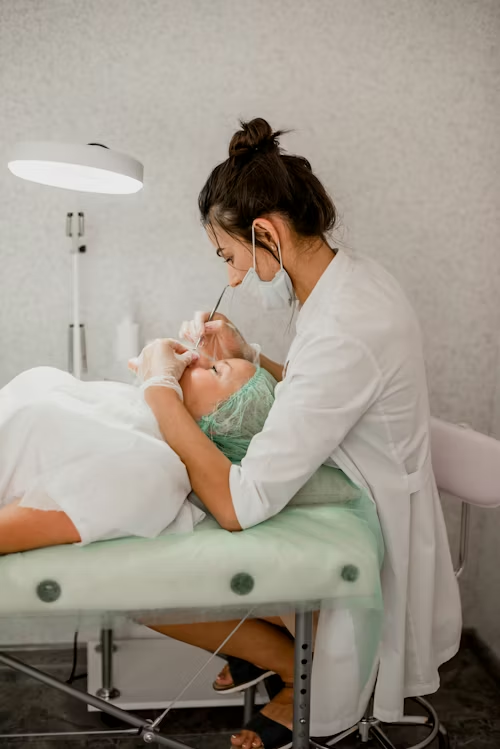
Understanding Skin Rejuvenation Treatments
Skin rejuvenation treatments are cosmetic and medical procedures designed to improve the appearance, texture, tone, and overall health of the skin. These treatments aim to reduce visible signs of aging, correct skin imperfections, and stimulate natural regenerative processes such as collagen production.
Unlike surgical procedures, most skin rejuvenation treatments are non-invasive or minimally invasive. They focus on enhancing the skin’s natural repair mechanisms rather than altering facial structures. The goal is not to drastically change a person’s appearance but to restore clarity, smoothness, and vitality.
Skin rejuvenation treatments may target concerns such as fine lines, wrinkles, acne scars, hyperpigmentation, sun damage, enlarged pores, dullness, and mild skin laxity. They are often tailored to the individual’s skin type, condition, and aesthetic goals.
What Are Skin Rejuvenation Treatments
Skin rejuvenation treatments are procedures that refresh and restore the skin by promoting cell turnover, stimulating collagen and elastin production, removing damaged layers of skin, or improving hydration and elasticity. These treatments work on different layers of the skin depending on the specific technique used.
Some treatments focus on the surface of the skin to improve texture and brightness, while others penetrate deeper layers to address structural concerns such as collagen loss. Many modern skin rejuvenation services combine multiple techniques to achieve comprehensive and natural-looking results.
In essence, skin rejuvenation treatments are designed to reverse or reduce the visible effects of aging and environmental damage while enhancing the skin’s overall health and resilience.
The Science Behind Skin Rejuvenation
The skin is composed of multiple layers, including the epidermis, dermis, and subcutaneous tissue. As we age, collagen and elastin production gradually decrease. Collagen is responsible for firmness, while elastin provides flexibility. When these proteins decline, the skin becomes thinner, less elastic, and more prone to wrinkles.
Environmental factors such as ultraviolet radiation accelerate collagen breakdown, leading to premature aging. Additionally, slower cell turnover can result in uneven skin tone and dullness.
Skin rejuvenation treatments address these changes by either removing damaged skin cells or stimulating the body’s natural healing response. Many treatments create controlled micro-injuries that trigger collagen regeneration. Others use advanced technologies such as laser or radiofrequency energy to tighten and revitalise tissue.
By encouraging the skin to repair itself, rejuvenation treatments gradually improve firmness, texture, and radiance.
Types of Skin Rejuvenation Services
Skin rejuvenation services encompass a broad range of procedures. Each treatment targets specific concerns and may be selected based on individual skin needs.
Chemical Peels
Chemical peels involve applying a carefully formulated solution to exfoliate the outer layers of the skin. This controlled exfoliation removes damaged cells and stimulates the growth of new, healthier skin.
Superficial peels improve mild discolouration and uneven texture. Medium-depth peels address fine lines and moderate pigmentation. Deeper peels may target more pronounced wrinkles and scars but require longer recovery periods. Chemical peels enhance brightness, reduce acne scars, and improve overall skin smoothness.
Laser Skin Rejuvenation
Laser treatments use focused light energy to target specific skin concerns. Some lasers remove thin layers of damaged skin, while others penetrate deeper layers to stimulate collagen production without harming the surface.
Laser rejuvenation can reduce pigmentation, treat vascular lesions, improve acne scars, and tighten mild skin laxity. The intensity and downtime vary depending on the type of laser used. Advancements in laser technology allow for precise and customizable treatments suitable for different skin tones and concerns.
Microneedling
Microneedling is a minimally invasive procedure that uses fine needles to create micro-injuries in the skin. These micro-injuries stimulate collagen and elastin production as part of the natural healing process.
Over time, microneedling improves skin texture, reduces fine lines, minimises acne scars, and enhances overall firmness. It can also improve the absorption of topical skincare products. This treatment is often performed in a series of sessions to achieve optimal results.
Radiofrequency Skin Tightening
Radiofrequency treatments use controlled heat energy to stimulate collagen production in the deeper layers of the skin. The heat causes collagen fibres to contract and encourages new collagen formation.
Radiofrequency skin tightening is commonly used to address mild to moderate skin laxity on the face and neck. It is non-invasive and typically involves minimal downtime. Results develop gradually over several weeks as collagen remodelling continues.
Intense Pulsed Light Therapy
Intense pulsed light therapy, commonly referred to as IPL, targets pigmentation, sun damage, redness, and broken capillaries. It delivers broad-spectrum light to the skin, which is absorbed by pigment or blood vessels. IPL treatments improve skin tone and clarity while promoting a more even complexion.
Injectable Skin Boosters
Injectable skin boosters deliver hydrating substances such as hyaluronic acid into the skin to improve moisture retention and elasticity. Unlike dermal fillers, these injections focus on enhancing overall skin quality rather than adding volume. Skin boosters improve hydration, smoothness, and radiance.
Benefits of Skin Rejuvenation Treatments
Skin rejuvenation services offer numerous benefits that extend beyond cosmetic improvements. One significant benefit is enhanced collagen production, which contributes to firmer and more youthful-looking skin. Improved skin texture and tone create a smoother and brighter complexion.
Many treatments also reduce pigmentation and sun damage, leading to a more even skin tone. Acne scars and enlarged pores may become less noticeable over time.
Another advantage is the non-surgical nature of most rejuvenation procedures. Minimal downtime allows individuals to resume daily activities quickly. Additionally, skin rejuvenation treatments can boost confidence by improving visible skin concerns that may affect self-esteem.
Who Can Benefit from Skin Rejuvenation Services
Skin rejuvenation treatments are suitable for individuals experiencing early to moderate signs of aging, uneven skin tone, acne scars, or dullness. They are also appropriate for those seeking preventative care to maintain youthful skin. Age is not the sole determining factor. Skin type, lifestyle, and environmental exposure play important roles in determining suitability.
A professional consultation ensures that treatments are tailored to individual needs and that expectations are realistic.
Customising a Skin Rejuvenation Plan
A comprehensive skin rejuvenation plan often involves combining treatments for optimal results. For example, microneedling may be paired with chemical peels to enhance texture and tone. Laser treatments can complement radiofrequency skin tightening for improved firmness.
Customisation ensures that each concern is addressed effectively without over-treating the skin. Personalised plans also consider recovery time, budget, and long-term maintenance.
Safety and Professional Expertise
Although skin rejuvenation treatments are generally safe, they should always be performed by qualified professionals. Proper training ensures accurate assessment of skin type and correct selection of treatment parameters.
Professional expertise reduces the risk of complications such as burns, hyperpigmentation, or infection. Clinics should follow strict hygiene and safety protocols to protect patient well-being.
Recovery and Aftercare
Recovery time varies depending on the intensity of the treatment. Superficial procedures may result in mild redness, while deeper treatments may require several days of healing. Proper aftercare is essential for optimal results.
This may include sun protection, gentle skincare products, and avoiding harsh exfoliants. Following professional advice supports faster recovery and long-lasting improvements.
Long-Term Maintenance and Results
Skin rejuvenation is not a one-time solution. Maintenance sessions and a consistent skincare routine help preserve results. Sun protection plays a critical role in preventing further damage. Hydration and a balanced lifestyle also support skin health. Gradual improvements over time often lead to natural and sustainable results.
Emotional and Psychological Impact
Improved skin appearance can positively influence confidence and self-image. Feeling comfortable in one’s skin can enhance social interactions and professional confidence. However, treatments should be pursued with healthy motivations and realistic expectations.
Frequently Asked Questions
What are skin rejuvenation treatments?
Skin rejuvenation treatments are cosmetic and medical procedures designed to improve skin texture, tone, and elasticity by stimulating collagen production, removing damaged skin layers, and enhancing hydration and clarity.
Are skin rejuvenation treatments safe?
Yes, when performed by qualified professionals in a clinical setting, most skin rejuvenation treatments are considered safe and minimally invasive.
How long do results from skin rejuvenation treatments last?
The longevity of results depends on the type of treatment and individual lifestyle factors. Maintenance sessions and proper skincare can extend the benefits.
Conclusion
Skin rejuvenation services provide effective and modern solutions for improving skin health and appearance. By understanding what skin rejuvenation treatments are, individuals can make informed decisions about enhancing their complexion in a safe and personalised manner.
Through advanced technology, scientific innovation, and professional expertise, skin rejuvenation treatments help restore radiance, smoothness, and firmness. With proper consultation, tailored treatment plans, and ongoing care, these services offer a reliable pathway to healthier and more confident skin.