
A Complete Termite Inspection is one of the most important steps in protecting a property from structural damage caused by termites. It provides a detailed understanding of whether termites are present, the extent of any damage, and the risk level for future infestation. However, the inspection itself is only the beginning of the process.
Many homeowners feel uncertain after receiving a termite report, especially if signs of activity or damage are found. Knowing what to do after a termite inspection is essential for making informed decisions, preventing further damage, and ensuring long-term protection of the property.
This guide explains the steps you should take after a termite inspection, how to interpret the findings, and how to respond effectively depending on the results.
Understanding the Purpose of a Complete Termite Inspection
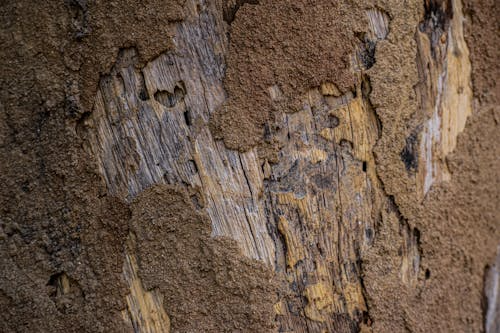
Before deciding what to do next, it is important to understand what a full inspection actually provides.
Identifying Active Termite Presence
A complete inspection determines whether termites are currently active in or around the property.
This includes locating live colonies, mud tubes, and feeding areas.
Assessing Structural Damage
Inspectors evaluate any damage caused by termites within timber structures, walls, and flooring.
This helps determine repair requirements and safety risks.
Evaluating Risk Conditions
Even if termites are not present, inspectors assess environmental conditions that could attract them.
This includes moisture levels, soil conditions, and wood-to-ground contact.
What to Do After a Termite Inspection
Once the inspection is complete, the next steps depend on the findings in the report.
Carefully Review the Inspection Report
The first step is to thoroughly read the inspection report provided by the pest control professional.
Understanding Key Findings
The report will usually include information about termite activity, damage levels, and risk areas.
Understanding these details helps you make informed decisions.
Identifying Urgency Levels
Reports often categorise findings as low, moderate, or high risk.
This helps determine how quickly action is required.
Seeking Clarification if Needed
If any part of the report is unclear, it is important to ask the inspector for an explanation.
A clear understanding is essential before proceeding.
Responding When Termites Are Found
If active termites are detected during the inspection, immediate action is required.
Scheduling Immediate Treatment
The most important step is arranging professional termite treatment as soon as possible.
Delaying treatment can lead to further structural damage.
Choosing the Right Treatment Method
Treatment options may include baiting systems, chemical barriers, or localised spot treatments.
The best method depends on the severity and location of the infestation.
Preventing Further Spread
During this stage, it is important to avoid disturbing infested areas unnecessarily.
Disturbance can cause termites to move to other parts of the property.
Following Professional Recommendations
Pest control experts will provide specific instructions based on the infestation.
Following these instructions carefully improves treatment success.
What to Do If No Termites Are Found
Even if no active termites are detected, the inspection still provides valuable information.
Implement Preventive Measures
Prevention is essential even when no termites are present.
This may include soil treatment, moisture control, and sealing entry points.
Schedule Regular Inspections
Properties should continue to be inspected regularly, usually once a year.
This helps detect early signs of future activity.
Address Risk Factors
If the report identifies risk conditions, such as damp areas or timber contact with soil, these should be corrected.
Reducing risk factors lowers the chance of infestation.
Understanding Termite Damage Reports
If damage is found during the inspection, it is important to understand its severity.
Minor Surface Damage
This includes early-stage damage where termites have only affected small sections of wood.
Repairs may be simple if addressed quickly.
Moderate Structural Damage
Moderate damage may involve weakened timber structures.
Repairs may require partial replacement of affected materials.
Severe Structural Damage
Severe damage can compromise building safety.
In such cases, both treatment and structural repair are necessary.
Planning Termite Treatment After Inspection
Once the inspection is complete, treatment planning becomes the next critical step.
Professional Treatment Design
Experts design a treatment plan based on inspection findings.
This ensures targeted and effective termite control.
Combination of Methods
Treatment often involves multiple approaches, such as chemical barriers and baiting systems.
Combining methods improves long-term results.
Monitoring and Follow-Up
After treatment, ongoing monitoring is essential.
This ensures termites do not return or spread.
Preventive Steps After a Termite Inspection
Prevention plays a major role in long-term termite control.
Reducing Moisture Around the Property
Termites are attracted to moisture, so fixing leaks and improving drainage is essential.
Dry environments are less attractive to termites.
Removing Wood-to-Soil Contact
Wooden structures should not directly touch soil.
This reduces easy access points for termites.
Maintaining Landscaping Properly
Garden beds, mulch, and vegetation should be kept away from foundations.
This helps reduce termite access routes.
Sealing Cracks and Entry Points
Small gaps in walls, foundations, and flooring should be sealed.
This helps block potential termite entry paths.
Importance of Professional Follow-Up Services
After a termite inspection, follow-up services are often necessary.
Ongoing Monitoring Systems
Monitoring stations help detect new termite activity early.
This allows for a quick response if termites return.
Scheduled Re-Inspections
Regular inspections ensure continued protection.
They help identify new risks before damage occurs.
Maintenance of Treatment Systems
Chemical barriers and baiting systems may require periodic maintenance.
This ensures continued effectiveness.
Common Mistakes After a Termite Inspection
Avoiding common mistakes is important for effective termite control.
Delaying Treatment
Waiting too long after detecting termites can worsen damage significantly.
Immediate action is always recommended.
Ignoring Minor Findings
Even small signs of activity should not be ignored.
Early intervention is more effective and less costly.
Attempting DIY Treatment Alone
DIY methods are often ineffective for serious infestations.
Professional treatment is usually required for complete control.
Long-Term Termite Management Strategy
After a complete termite inspection, long-term planning is essential.
Regular Professional Inspections
Annual inspections help maintain ongoing protection.
They ensure early detection of any new activity.
Integrated Pest Management
A combination of prevention, monitoring, and treatment provides the best results.
This approach reduces long-term risk.
Property Maintenance Practices
Good maintenance habits reduce conditions that attract termites.
This includes moisture control and structural upkeep.
Frequently Asked Questions
What to do after a termite inspection?
After a termite inspection, you should review the report carefully, follow professional recommendations, schedule treatment if termites are found, and implement preventive measures if no termites are detected.
How soon should treatment begin after inspection?
Treatment should begin as soon as possible if active termites are discovered to prevent further damage.
Is a termite inspection enough to stop termites?
No, inspection is only the first step. Treatment and prevention are required for full protection.
Conclusion
A Complete Termite Inspection is a crucial step in protecting any property, but it is only the beginning of an ongoing process. What you do after the inspection determines how effectively your home is protected from future termite damage.
If termites are found, immediate treatment and professional guidance are essential. If no termites are present, prevention and regular monitoring become the priority. In both cases, understanding the inspection report and following expert recommendations ensures the best possible outcome.
Ultimately, termite control is not a one-time action but a continuous strategy. By taking the right steps after an inspection, property owners can safeguard their buildings, prevent costly repairs, and maintain long-term structural integrity.