
A pest problem often begins quietly. A few ants near the sink, scratching sounds in the ceiling, small holes in timber, droppings in a storage room, or insects appearing at night may seem minor at first. However, these early warning signs can point to a larger hidden issue that grows over time if left untreated.
That is why many homeowners, landlords, and business owners turn to professional inspections before pests become a serious problem.
One of the most common questions people ask is: What is the meaning of pest inspection? A pest inspection is a professional assessment of a property to identify current pest activity, signs of infestation, conditions that attract pests, and risks that may lead to future problems.
It is a preventive and investigative service designed to protect homes, businesses, and buildings from pest damage and health concerns.
Pest inspections are valuable because many pests hide inside walls, ceilings, foundations, gardens, roof spaces, and storage areas. By the time pests become visible, the infestation may already be advanced. An inspection helps uncover these hidden issues early.
This guide explains what Pest Control Inspection means, how it works, why it matters, what professionals look for, common pests found during inspections, and why regular inspections are one of the smartest investments in property care.
What Is the Meaning of Pest Inspection
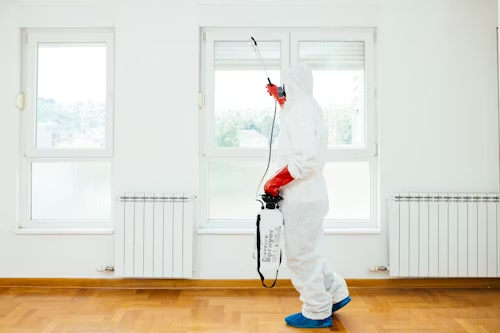
A pest inspection is a detailed examination of a property by a trained professional to detect pests, evidence of pest activity, and conditions that may allow pests to survive or spread.
The inspection may cover indoor rooms, roof spaces, subfloors, garages, gardens, external walls, fences, sheds, and surrounding grounds. Inspectors look for live pests, droppings, nests, damage, moisture problems, entry points, and structural weaknesses.
The purpose of pest inspection is not only to find pests today, but also to prevent larger infestations tomorrow.
Why Pest Inspection Is Important
Many pest issues begin out of sight. Inspections help reveal hidden problems before they become expensive or stressful.
Early Detection Saves Money
A small termite issue found early is easier to manage than major structural damage. A few rodents are simpler to remove than a large breeding population.
Protects Health and Hygiene
Cockroaches, rodents, and other pests may contaminate food areas and surfaces.
Reduces Stress
Knowing the condition of your property provides peace of mind.
Supports Long-Term Prevention
Inspections identify weaknesses that can be corrected before pests move in.
Who Needs a Pest Inspection
Pest inspections are useful for many people and property types.
Homeowners
Routine inspections help maintain a safe and comfortable living space.
Home Buyers
Pre-purchase inspections help reveal hidden pest risks before buying.
Landlords
Rental properties benefit from regular monitoring and documentation.
Businesses
Commercial sites often require inspections to maintain standards.
Property Managers
Regular checks help protect multiple buildings efficiently.
When a Pest Inspection Should Be Done
There are several ideal times to arrange an inspection.
Before Buying a Property
This is one of the most common reasons for booking an inspection.
When Signs of Pests Appear
Droppings, noises, damage, or frequent sightings should be investigated quickly.
As Preventive Maintenance
Annual or scheduled inspections can stop issues early.
After Renovations or Water Damage
Construction changes and moisture issues may create new pest risks.
What Happens During a Pest Inspection
A professional inspection follows a structured process.
Initial Discussion
The inspector may ask about pest sightings, previous treatments, and property history.
Interior Check
Rooms, kitchens, bathrooms, cupboards, and storage areas are inspected.
Exterior Check
Gardens, fences, walls, rooflines, sheds, and drainage areas are examined.
Hidden Areas
Roof voids, crawl spaces, garages, and subfloors may be checked where accessible.
Findings and Report
The inspector explains any issues and recommends solutions.
What Inspectors Look For
Pest inspections involve more than spotting insects.
Live Pest Activity
Visible insects, rodents, nests, or movement.
Damage Signs
Chewed materials, hollow timber, mud tubes, gnaw marks, or torn packaging.
Droppings and Waste
Evidence often reveals hidden activity.
Moisture Problems
Leaks and damp areas attract many pests.
Entry Points
Cracks, gaps, damaged screens, and unsealed openings.
Conditions That Encourage Pests
Clutter, stored cardboard, food residue, or overgrown gardens.
Common Pests Found During Inspections
Different properties attract different pests.
Termites
One of the most serious structural pests.
Rodents
Mice and rats often hide in roofs, walls, or storage areas.
Cockroaches
Common in kitchens, drains, and humid areas.
Ants
Often found near food sources or entry gaps.
Spiders
May indicate insect activity nearby.
Wasps and Bees
Nests may appear in rooflines or gardens.
Bed Bugs
Sometimes discovered in bedrooms or furnished rentals.
Why Termite Inspections Matter
Termites deserve special attention because they can remain hidden for long periods.
Hidden Damage
They often eat timber from the inside out.
Silent Activity
Many owners do not notice termites until visible damage appears.
Expensive Repairs
Untreated termite damage can be costly.
Regular Checks Help
Routine inspections greatly improve early detection.
Pest Inspection for Home Buyers
Buying property without inspection can be risky.
Hidden Problems
Fresh paint and staging may hide damage or activity.
Negotiation Advantage
Inspection findings may support repair requests or price discussions.
Future Planning
Buyers understand maintenance needs before moving in.
Peace of Mind
A clear report helps buyers proceed with confidence.
Pest Inspection for Rental Properties
Rentals benefit from proactive management.
Tenant Comfort
Residents expect safe, clean living conditions.
Reduced Complaints
Early action prevents recurring issues.
Property Protection
Regular checks help prevent damage from rodents or termites.
Clear Records
Reports can support maintenance planning.
Pest Inspection for Businesses
Commercial pest inspection is important for reputation and operations.
Food Premises
Restaurants and cafes need strong hygiene controls.
Warehouses
Stored goods attract rodents and insects.
Offices
Comfort and professionalism matter.
Hotels
Guest satisfaction depends heavily on cleanliness.
How Long Does a Pest Inspection Take
The time varies depending on property size and complexity.
Small Homes
May take a shorter visit if access is simple.
Large Homes
Multiple levels, gardens, and roof spaces require more time.
Commercial Sites
Larger facilities often need detailed scheduled inspections.
A thorough inspection should never feel rushed.
What Happens After the Inspection
The report usually guides the next steps.
No Significant Issues Found
The property may only need preventive advice.
Minor Problems Found
Simple treatment or maintenance may solve the issue.
Major Infestation Found
Professional pest control treatment may be recommended.
Structural Concerns
Additional building repairs may be advised.
How Pest Inspection Helps Prevent Infestations
Inspections are valuable even when no pests are found.
Risk Areas Are Identified
Inspectors can point out future problem zones.
Homeowners Learn Prevention Steps
Simple maintenance changes often reduce risk.
Monitoring Starts Early
You become aware of signs to watch for later.
Saves Future Costs
Prevention is usually cheaper than emergency treatment.
Signs You Should Book an Inspection Soon
Some warning signs should not be ignored.
Repeated Pest Sightings
Seeing pests regularly suggests hidden activity.
Scratching Sounds
May indicate rodents in ceilings or walls.
Wood Damage
Soft timber or mud tubes can indicate termites.
Bad Odors
Hidden nests or contamination sometimes cause smells.
Unexplained Bites
Could suggest bed bugs or fleas.
DIY Checks vs Professional Inspections
Homeowners can notice signs, but professionals offer more depth.
Experience
Inspectors know subtle indicators that many people miss.
Access Skills
They know where pests commonly hide.
Better Identification
Correctly identifying pests matters for treatment.
Written Recommendations
Professional reports provide clear next steps.
DIY observation is helpful, but professional inspections are more complete.
How Often Pest Inspections Should Be Done
Frequency depends on property type and risk.
Annual Inspections
A common recommendation for many homes.
High-Risk Areas
Timber homes or humid climates may need more regular checks.
Businesses
Some businesses need monthly or quarterly inspections.
After Previous Infestations
Follow-up checks help ensure problems stay resolved.
Common Mistakes People Make
Avoiding these mistakes improves property protection.
Waiting for Visible Damage
Some pests stay hidden until damage is serious.
Assuming One Treatment Solves Everything
Monitoring is still important afterwards.
Ignoring Moisture Issues
Leaks attract pests repeatedly.
Skipping Inspections on Older Homes
Older structures often benefit greatly from regular checks.
Choosing a Good Pest Inspector
Not all services are equal.
Experience and Reputation
Choose trained professionals with solid reviews.
Clear Communication
Good inspectors explain findings in simple language.
Detailed Reports
Useful reports help guide next actions.
Honest Recommendations
The best inspectors focus on real needs, not fear-based selling.
Frequently Asked Questions
What is the meaning of pest inspection?
It is a professional property check to detect pests, damage, and conditions that may lead to infestations.
Is a pest inspection worth it?
Yes, it can help prevent expensive damage and identify hidden problems early.
How often should I get a pest inspection?
Many homes benefit from annual inspections, while higher-risk properties may need more frequent checks.
Conclusion
If you are asking what the meaning of pest inspection is, the simplest answer is that it is a smart and preventive examination of a property to detect pests, damage, and future risks before they become larger problems. It is one of the most effective ways to protect homes, rentals, and businesses.
Pest inspections do more than find insects or rodents. They reveal moisture issues, structural gaps, sanitation concerns, and hidden warning signs that often go unnoticed. This makes inspections valuable even when no active infestation is present.
In the end, pest inspection is not just about reacting to pests. It is about protecting property, reducing future costs, and maintaining a safer, cleaner environment with confidence.