
The growing volume of end-of-life vehicles presents both a challenge and an opportunity for modern industry. As automotive ownership rises globally, so too does the need for responsible disposal, recovery, and reuse of materials.
Without structured systems in place, discarded vehicles can become environmental hazards, leaking fluids, releasing toxins, and contributing to landfill overflow. A well-planned approach transforms this problem into a sustainable cycle of recovery and resource efficiency.
A modern recycling operation must go beyond basic dismantling. It requires a combination of environmental compliance, advanced technology, and streamlined logistics.
Operators must balance economic viability with strict regulatory frameworks while ensuring that reusable components and materials are maximised. This balance is what separates outdated scrapyards from forward-thinking recovery facilities.
Car recycling facility design begins with understanding the lifecycle of vehicles and the environmental implications of improper disposal. From depollution to material segregation, every stage plays a critical role in reducing ecological impact.
Facilities that adopt best practices not only contribute to sustainability but also create profitable pathways through resource recovery and resale markets.
As industries move towards circular economy models, the expectations placed on recycling infrastructure continue to evolve. Facilities must now integrate innovation, safety, and environmental stewardship into their core operations to remain competitive and compliant.
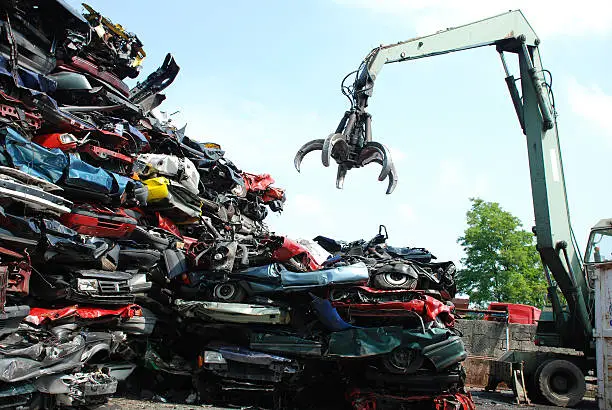
Strategic Site Planning and Infrastructure
Location Selection and Accessibility
The foundation of an effective recycling operation starts with its location. Accessibility for vehicle transport, proximity to major road networks, and distance from residential areas all influence operational efficiency and regulatory approval. A well-situated site reduces transport costs and minimises disruptions to surrounding communities.
Environmental considerations must also guide site selection. Facilities should avoid flood-prone areas and regions with sensitive ecosystems. Proper zoning compliance ensures smoother approval processes and long-term operational stability.
Facility Layout and Workflow Design
An optimised layout is critical for maintaining a smooth workflow. Vehicles should move through clearly defined zones, starting from intake and inspection to depollution, dismantling, and material processing. This linear progression reduces congestion and enhances safety.
Adequate space allocation for storage, hazardous material handling, and machinery ensures that operations remain efficient. Poor layout planning can lead to bottlenecks, increased labour costs, and higher risks of accidents.
Environmental Protection Measures
Infrastructure must incorporate systems to prevent contamination. Impermeable flooring, proper drainage, and containment systems are essential to prevent leaks from spreading into soil and groundwater. Stormwater management systems should also be implemented to handle runoff safely.
Air quality control is equally important. Dust suppression systems and ventilation ensure compliance with environmental standards and protect workers from exposure to harmful particles.
Compliance with Regulations and Standards
A recycling facility must adhere to strict environmental and safety regulations. These include proper handling of hazardous waste, emissions control, and documentation of recycling processes. Compliance is not only a legal requirement but also a factor that builds credibility and trust with stakeholders.
Regular audits and staff training programmes help maintain adherence to evolving regulations. Facilities that prioritise compliance are better positioned for long-term success.
Advanced Depollution and Material Recovery Systems
Safe Removal of Hazardous Fluids
Depollution is the first critical step in vehicle recycling. Fluids such as engine oil, coolant, brake fluid, and fuel must be safely extracted using specialised equipment. Improper handling can lead to environmental contamination and safety hazards.
Automated fluid extraction systems improve efficiency and reduce the risk of spills. These systems also allow for the proper storage and recycling of recovered liquids.
Battery and Electronic Component Handling
Modern vehicles contain complex electronic systems and batteries that require careful handling. Lithium-ion batteries, in particular, pose fire risks if not managed correctly. Dedicated storage areas and trained personnel are essential for safe processing.
Recycling electronic components also presents opportunities for recovering valuable materials such as copper and rare metals. Proper segregation ensures these resources are not lost.
Tyre and Rubber Recycling Processes
Tyres represent a significant portion of automotive waste. Facilities should include systems for shredding and processing rubber into reusable materials. Recycled rubber can be used in construction, road surfacing, and manufacturing applications.
Efficient tyre management reduces landfill waste and contributes to circular material use.
Metal Recovery and Sorting Technologies
Vehicles are primarily composed of metals, making recovery a key focus. Advanced shredding and sorting technologies, including magnetic separation and eddy current systems, enable efficient extraction of ferrous and non-ferrous metals.
Recovered metals can be reintroduced into manufacturing processes, reducing the demand for raw materials and lowering environmental impact.
Operational Efficiency and Workforce Management
Skilled Workforce and Training
A successful facility relies on a well-trained workforce. Employees must understand safety protocols, equipment operation, and environmental compliance requirements. Continuous training ensures that staff remain updated on industry standards and technologies.
Specialised roles, such as hazardous material handling and machinery operation, require certification and ongoing education.
Workflow Automation and Technology Integration
Automation plays a vital role in improving efficiency. From vehicle tracking systems to automated dismantling equipment, technology reduces manual labour and increases processing speed.
Digital systems can also streamline inventory management, ensuring that reusable parts are catalogued and accessible for resale.
Safety Protocols and Risk Management
Safety is a top priority in any recycling operation. Facilities must implement strict protocols to protect workers from hazards such as sharp materials, heavy machinery, and toxic substances.
Personal protective equipment, regular inspections, and emergency response plans are essential components of a comprehensive safety strategy.
Cost Management and Profitability
Balancing operational costs with revenue generation is crucial. Facilities must manage expenses related to labour, equipment, and compliance while maximising income from recycled materials and parts.
Efficient operations and strategic partnerships with manufacturers and recyclers can enhance profitability.
Sustainability and Environmental Impact
Reducing Carbon Footprint
Recycling vehicles significantly reduces the need for new raw materials, thereby lowering carbon emissions. Facilities that adopt energy-efficient processes and renewable energy sources further minimise their environmental impact.
Tracking and reporting carbon savings can also enhance a facility’s reputation and attract environmentally conscious partners.
Waste Minimisation Strategies
A key goal of any recycling operation is to minimise waste. This involves maximising material recovery and finding innovative uses for by-products. Facilities should continuously evaluate their processes to identify areas for improvement.
Zero-waste initiatives can further enhance sustainability efforts.
Supporting Circular Economy Principles
A well-designed facility contributes to the circular economy by keeping materials in use for as long as possible. Recovered components can be refurbished and resold, extending their lifecycle and reducing demand for new production.
This approach not only benefits the environment but also creates additional revenue streams.
Community and Industry Engagement
Engaging with local communities and industry stakeholders is essential. Facilities should promote awareness of responsible vehicle disposal and collaborate with manufacturers, governments, and environmental organisations.
Strong partnerships can lead to innovation and improved industry standards.
Frequently Asked Questions
What is the primary purpose of a car recycling facility?
The main purpose is to safely dismantle end-of-life vehicles, recover reusable parts, and recycle materials while minimising environmental impact. These facilities play a crucial role in reducing waste and supporting sustainable resource use.
How are hazardous materials managed in vehicle recycling?
Hazardous materials such as fluids, batteries, and electronic components are carefully removed using specialised equipment and stored in controlled environments. Proper handling ensures compliance with environmental regulations and prevents contamination.
Can recycled vehicle materials be reused in manufacturing?
Yes, many materials recovered from vehicles, including metals, plastics, and rubber, can be reused in manufacturing. This reduces the need for raw material extraction and supports a circular economy.
Conclusion
Designing an effective vehicle recycling operation requires a comprehensive approach that integrates infrastructure, technology, workforce management, and sustainability practices. Facilities that prioritise efficient workflows, environmental protection, and regulatory compliance are better equipped to meet the demands of modern industry.
As the automotive sector continues to evolve, recycling facilities must adapt to new technologies and materials. By embracing innovation and maintaining a strong focus on sustainability, these operations can transform end-of-life vehicles into valuable resources while contributing to a cleaner and more efficient future.