
When it comes to enhancing the health and appearance of your skin, various skin therapies can provide noticeable improvements, whether you’re dealing with pigmentation, acne, or signs of ageing. However, to achieve the best results, it’s essential to follow a proper pre-treatment and aftercare regimen.
A skin clinic Frankston can help you navigate these steps, ensuring that you prepare your skin for treatment and care for it afterward to maximise results. This guide will walk you through essential steps to follow before and after skin therapies, ensuring your skin remains healthy and the results last longer.
Understanding Skin Therapies
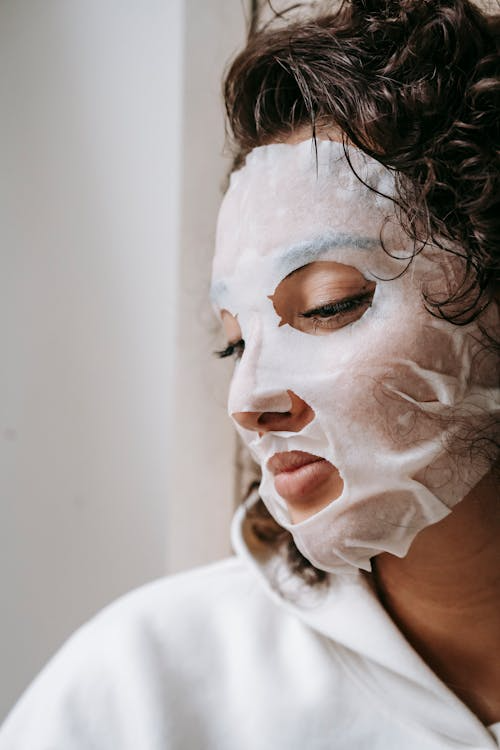
Skin therapies encompass a wide range of treatments designed to target specific skin concerns. These treatments include chemical peels, microdermabrasion, laser skin resurfacing, microneedling, and more. Each treatment aims to improve skin texture, tone, and overall appearance by targeting underlying issues like acne scars, pigmentation, wrinkles, or laxity.
The Importance of Pre-Treatment Preparation
Before undergoing any skin therapy, proper preparation is essential. Pre-treatment steps ensure that your skin is in the best possible condition to respond to the treatment and minimise the risk of side effects. Whether you are getting a facial treatment, laser therapy, or a peel, the right preparation makes a significant difference.
Pre-Treatment Guidelines for Skin Therapies
Proper preparation for skin therapies begins a few days or weeks before your appointment. These steps will help you get your skin ready for treatment, reducing irritation and ensuring optimal results.
Consultation with a Professional
The first and most crucial step before any skin therapy is a consultation with a licensed professional. Whether you’re visiting a skin clinic Frankston or another trusted provider, the practitioner will assess your skin type, identify any concerns, and recommend the most suitable treatments for your needs.
Why Consultation is Important
A thorough consultation ensures that the right treatment plan is selected based on your skin condition and goals. It helps to determine if you are a good candidate for the treatment and if there are any contraindications (e.g., skin conditions or medications) that could affect the procedure.
Avoid Sun Exposure
Before undergoing skin therapies such as chemical peels, microneedling, or laser treatments, it’s essential to avoid sun exposure. UV rays can cause skin damage, leading to irritation or an increased risk of pigmentation issues post-treatment. You should stop tanning or using sunbeds at least two weeks before your procedure.
Why Sun Protection Matters
Unprotected sun exposure increases the risk of complications, including post-inflammatory hyperpigmentation, where dark spots appear after treatment. Sunburned or irritated skin may not react well to certain therapies, making it essential to keep your skin protected before the procedure.
Stop Using Harsh Skin Products
A few days to a week before treatment, it’s advisable to stop using skincare products that could irritate your skin, such as retinoids, exfoliants, or products containing alcohol. These ingredients can make your skin more sensitive and increase the risk of irritation or adverse reactions following therapy.
Key Products to Avoid
- Retinoids: These can increase skin sensitivity and irritation, making the skin more vulnerable during treatment.
- Exfoliants: Harsh scrubs or physical exfoliants can damage the skin’s protective barrier.
- Alpha Hydroxy Acids (AHAs) or Beta Hydroxy Acids (BHAs): These products can make the skin more sensitive to procedures like chemical peels or microneedling.
Hydrate Your Skin
Before your treatment, keep your skin hydrated. Drinking plenty of water and using moisturisers helps keep your skin healthy and more receptive to treatments. Hydrated skin heals better and responds more effectively to therapies that aim to improve texture and tone.
Moisturising Tips
Look for moisturisers that are gentle, non-comedogenic, and designed for your specific skin type. Avoid products that contain fragrances or harsh ingredients that could lead to irritation. Additionally, ensure you’re drinking plenty of water in the days leading up to your procedure.
Aftercare Tips for Skin Therapies
Aftercare is just as important as pre-treatment preparation. Proper aftercare helps ensure that your skin heals correctly, maximising the benefits of the therapy. Whether you’ve had a chemical peel, laser therapy, or microneedling, here are key tips to follow post-treatment.
Avoid Touching or Scratching Treated Areas
After skin treatments, the treated areas may be sensitive. It’s essential to avoid touching, scratching, or picking at the skin to prevent infection or irritation. Your skin may experience some redness, swelling, or peeling, but this should subside with proper care.
How to Protect the Skin
Try not to touch your face unless your hands are clean, and avoid wearing makeup for at least 24 hours following the treatment. If you feel discomfort, apply a soothing serum or moisturiser as recommended by your practitioner.
Apply Sunscreen Regularly
One of the most important aspects of aftercare for skin therapies is protecting your skin from sun exposure. After treatments such as laser resurfacing or chemical peels, your skin will be more sensitive to the sun. Always apply a broad-spectrum sunscreen with an SPF of at least 30 every morning, even on cloudy days.
Why Sun Protection Is Critical
After treatment, the skin is more vulnerable to UV damage. Without protection, you risk exacerbating pigmentation problems or causing sunburn, which can hinder the healing process and lead to more severe skin issues.
Follow the Skincare Regimen Provided
After your skin therapy, your practitioner may provide specific aftercare instructions tailored to your treatment and skin type. These could include using prescribed serums, moisturisers, or soothing creams that promote healing and maintain the benefits of the procedure.
Common Aftercare Products
- Hydrating Serums: These products help maintain moisture levels and reduce dryness or flaking.
- Soothing Creams: Often containing ingredients like aloe vera or chamomile, these creams help calm redness and irritation.
- Prescription Creams: In some cases, practitioners may recommend specific treatments to help with healing or pigmentation reduction.
Avoid Intense Physical Activity
After undergoing treatments such as laser skin resurfacing, microneedling, or chemical peels, avoid intense physical activity for a few days. Sweating from exercise can irritate your skin, increasing the risk of infection or prolonging redness and swelling.
Recommended Rest Period
For the first 48-72 hours, refrain from heavy exercise or activities that might cause excessive sweating. Gentle activities like walking are typically fine, but always listen to your body and follow your practitioner’s advice.
Stay Hydrated
Post-treatment hydration is crucial for promoting healing and ensuring that the skin retains moisture. Drink plenty of water and apply a moisturising cream as advised by your skincare professional. Hydration helps to speed up recovery and improves skin elasticity, ensuring a smooth and radiant outcome.
Avoid Hot Showers or Baths
For the first few days after your skin treatment, avoid hot showers or baths, as hot water can irritate the skin and increase swelling. Instead, opt for lukewarm water and ensure that you gently pat your skin dry rather than rubbing it.
How Long Does It Take to See Results?
Depending on the type of skin therapy, you may start seeing results within a few days to weeks. Laser treatments may take a few sessions to show full effects, while chemical peels often provide immediate improvements after the peeling process. Patience is key, as the skin continues to improve over time.
When Can I Return to Normal Activities?
Generally, you can return to most of your normal activities after a few days of rest. However, some treatments may require longer downtime. Your practitioner will provide clear instructions on when it’s safe to resume normal activities, including exercising and applying makeup.
Frequently Asked Questions
What should I avoid after skin therapy?
After skin therapy, avoid direct sun exposure, hot showers, sweating, and touching or scratching the treated areas. Always follow the specific aftercare instructions provided by your practitioner.
How many treatments will I need?
The number of treatments depends on the type of therapy and the severity of the skin concern. For example, laser skin resurfacing may require several sessions to achieve optimal results, while chemical peels may require one or two treatments.
Is aftercare necessary?
Yes, aftercare is essential for ensuring the best results from your skin therapy. Proper aftercare promotes healing, protects your skin, and helps to maintain the benefits of the treatment.
Conclusion
Pre-treatment and aftercare for skin therapies play a significant role in ensuring the success of your treatment and achieving the best possible results. Whether you’re receiving laser treatments, chemical peels, or microneedling, proper preparation and aftercare are essential for a smooth and effective experience.
By following the recommended guidelines, including avoiding sun exposure, staying hydrated, and adhering to your practitioner’s advice, you can ensure that your skin therapies provide you with long-lasting, beautiful results. If you’re looking for a professional consultation, visit a skin clinic Frankston to discuss your options and receive tailored care for your skin.