
Creating a consistent early learning routine is one of the most effective ways to support a child’s development during their formative years. From infancy to age six, children benefit from structure, predictability and a nurturing environment that encourages play, learning and rest.
Understanding what makes a great early learning routine for ages 0–6 helps both families and educators build a solid foundation for growth. At trusted centres such asBella Vista childcare, well-structured routines play a central role in helping children feel safe, confident and ready to learn each day.
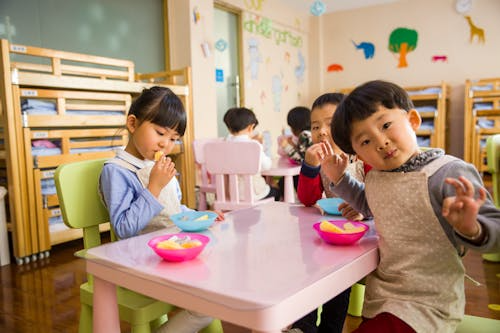
The Importance of a Daily Routine
Routine is more than a timetable. It provides a sense of order that helps children understand their world. A regular pattern of events helps reduce anxiety and builds independence.
Helping Children Feel Secure
When children know what’s coming next, they feel more in control. This reduces stress and promotes calm behaviour. Consistent routines also improve transitions between activities, such as moving from playtime to mealtimes.
Supporting Developmental Milestones
A good routine gives children opportunities to practise self-care, follow instructions and learn through repetition. These everyday tasks help build confidence and life skills.
Starting Early: Routines for Infants and Toddlers
For children aged 0–2, a great early learning routine focuses on building trust, meeting physical needs and encouraging exploration through safe environments.
Predictable Yet Flexible Patterns
Infants need routines that follow their natural rhythms. While feedings and naps should remain flexible, consistent care routines—like gentle transitions between nappy changes and sleep—help develop trust and comfort.
Encouraging Sensory Learning
Activities like tummy time, soft music, gentle massage and outdoor walks stimulate the senses. These support early brain development and help infants start learning about their surroundings.
Preschool-Aged Children: Ages 3–6
Children in this age range benefit from more structured learning, balanced with plenty of free play and physical movement. Routine becomes a tool for building responsibility, creativity and social confidence.
Morning Routines That Set the Tone
A good start to the day includes greeting time, unpacking bags and joining the group for a welcome activity. These steps help children settle in, connect with peers and feel part of the learning community.
Clear Blocks for Learning and Play
Dividing the day into learning blocks helps balance structured experiences and free play. Activities may include story time, outdoor games, group discussions or hands-on exploration.
Key Components of a Strong Early Learning Routine
What makes a great early learning routine for ages 0–6 comes down to the balance of several essential elements, including care routines, education, movement and rest.
Consistent Care Routines
Regular toileting, washing hands, and meals provide structure and teach children about hygiene and responsibility. These daily events also help children understand time and sequence.
Active and Quiet Time
Children need a balance of high-energy and calm periods. Active play supports gross motor development, while quiet time—such as reading or puzzles—improves concentration and emotional regulation.
Time for Creativity
Daily opportunities for drawing, painting, music or pretend play allow children to express themselves and build fine motor skills. These activities also support early literacy and language development.
Building Independence Through Routine
A well-designed routine helps children do more for themselves. These experiences build confidence and lay the foundation for future learning.
Giving Children Responsibility
Simple tasks like putting away toys, helping set up lunch or choosing an activity give children ownership of their space and time. These small responsibilities add up to strong habits.
Supporting Self-Regulation
Consistent routines help children understand boundaries and expectations. Over time, they learn how to manage their emotions, control impulses and participate calmly in group activities.
How Educators Support Daily Structure
At early learning centres, educators are key to maintaining routines that meet developmental needs while staying flexible to individual differences.
Planning with Purpose
Educators design daily schedules based on developmental goals, group dynamics and each child’s unique personality. This allows for consistency while making room for spontaneous moments of discovery.
Supporting Transitions
Clear signals, songs or short discussions help children move smoothly from one part of the day to another. These techniques reduce confusion and keep children engaged.
Creating a Calm and Predictable Environment
The learning environment itself is a big part of what makes a great early learning routine for ages 0–6.
Using Visual Schedules
Visual timetables with pictures or icons help young children understand what’s happening throughout the day. These tools increase independence and reduce the need for repeated instructions.
Setting Up Learning Spaces
Defined areas for reading, blocks, art or rest help children understand how to use each space. Clear boundaries reduce overstimulation and support purposeful engagement.
Including Families in the Routine
Partnerships with families strengthen routines and give children a consistent message between home and early learning settings.
Sharing Information Daily
Families benefit from updates about their child’s day—what they ate, how they played, and any achievements. This strengthens trust and helps parents support routines at home.
Encouraging Similar Patterns at Home
Consistency between home and childcare supports faster development. Encouraging similar mealtimes, sleep schedules or morning routines helps children feel grounded across environments.
Adapting Routines to Individual Needs
Children grow at different rates. A great routine is one that adapts to suit the group while allowing space for personal needs.
Recognising Signs of Readiness
Educators and parents should observe when a child is ready for more responsibility or independence. Adjusting tasks or transitions helps children continue growing without stress.
Supporting Additional Needs
Some children may need extra time, visual support or one-on-one help to manage routines. Inclusive practices make sure all children benefit from structure.
Rest and Nutrition as Key Parts of the Day
Routine is not only about learning—it must also support physical wellbeing through sleep and food.
Balanced Meal Times
Scheduled mealtimes teach children about nutrition, table manners and social interaction. Children who eat regularly are more focused and emotionally balanced.
Rest Periods for All Ages
Even children who no longer nap benefit from quiet time. Rest supports brain development and emotional regulation, helping children reset before afternoon activities.
Frequently Asked Questions
How detailed should a routine be for infants under one year old?
Routines for infants should be predictable but flexible. It’s more about the flow of the day rather than fixed times. Consistency in how things are done—feeding, nappy changes, and sleep—helps babies feel safe.
What should I do if my child struggles with changes in routine?
Introduce changes gradually and give plenty of warning. Use visual aids, repeat messages and stay calm. Children need time to adjust, and consistency from adults helps them feel more secure.
Can routines support creativity, or do they make things too rigid?
Routines actually create space for creativity. By providing stability, children feel safe to try new ideas during planned free play or creative tasks. A balanced routine includes time for exploration and imagination.
Conclusion
Understanding what makes a great early learning routine for ages 0–6 involves more than following a clock. It’s about creating a balanced day that offers children security, stimulation and time for rest.
At centres like Bella Vista childcare, thoughtful routines guide everything from play to mealtimes, helping young learners build independence, emotional stability and curiosity. A great routine doesn’t limit children—it provides the rhythm they need to thrive, both now and as they grow.