
Building outdoor structures that last and require minimal upkeep begins with one core decision: material selection. Whether you’re planning a pergola, deck, Australian verandah, or carport, understanding how to pick materials for durable & low-maintenance outdoor structures ensures your investment stands up to the elements and continues to look good over time.
Homeowners across Australia are increasingly seeking stylish structures that support their lifestyle without adding to their weekend to-do list. Selecting materials suited to local weather conditions, usage, and long-term maintenance expectations is essential for achieving this balance.
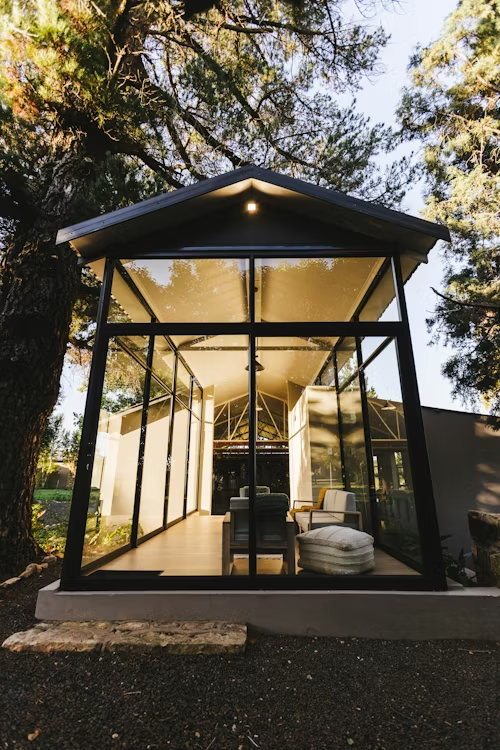
Start with Project Purpose and Exposure
Assess the Function of the Structure
The use of the structure greatly influences material choice. A high-traffic deck will need harder surfaces than a decorative arbour. A freestanding carport exposed to high winds requires strong structural support, while a quiet pergola nook under trees may benefit from easy-clean surfaces due to leaf fall.
Consider Weather and Environmental Conditions
Australia’s climate varies widely. In coastal areas, materials must resist salt corrosion. In the bush, structures may need to be bushfire compliant. Harsh UV exposure and heavy rainfall also impact surface wear and fastener corrosion.
Materials must be chosen not just for how they look on day one, but for how they perform after years of sun, wind, and water exposure.
Timber: Natural Appeal with Maintenance Considerations
Benefits of Timber in Outdoor Builds
Timber remains popular in Australian outdoor structures because of its warm appearance and flexibility in design. It suits decks, posts, pergolas, and even trims on a traditional Australian verandah.
Hardwoods like spotted gum and ironbark are naturally dense and offer long-lasting performance. Treated pine is more budget-friendly and easier to work with but requires regular sealing.
Maintenance Requirements
To preserve timber, surface treatments are needed. Staining or oiling prevents greying, splitting and rot. Without regular care, even premium hardwoods can degrade.
Fastener choice also matters. Stainless steel screws and brackets prevent rust streaks that may otherwise mark the surface.
Composite Materials: Low Maintenance and Consistent Finish
Why Homeowners Choose Composite Decking
Composite materials, made from a blend of wood fibres and recycled plastic, are increasingly replacing timber in decks and pergolas. They offer a consistent appearance without the natural variation of wood and are engineered to resist fading, splintering and warping.
Unlike timber, they don’t require oiling or staining, making them a good option for those wanting a low-maintenance surface.
Limitations to Keep in Mind
Composite materials can cost more upfront. In high-temperature regions, some types may become hot underfoot, and colour choice affects heat absorption. Always test samples in your local conditions before committing to a full project.
Metal: Strong, Long-Lasting and Modern
Galvanised and Powder-Coated Steel
For structural supports such as beams, frames, and posts, galvanised or powder-coated steel is a top choice. It performs well in exposed conditions, resists pests, and requires minimal cleaning. It’s also compatible with roofing, making it ideal for carports or covered decks.
Powder-coated finishes offer colour versatility while shielding metal from corrosion. This works well in coastal and urban areas where salt or pollution may be present.
Aluminium for Lightweight Frames
Aluminium is lighter than steel and also corrosion resistant. While not as strong in heavy structural builds, it suits pergola frames, screening, and modern-style Australian verandah elements.
When installed correctly, it won’t rust or warp and needs only occasional washing.
Brick, Stone, and Concrete Surfaces
Pavers and Masonry
Stone pavers and concrete are excellent for patios and walkways. They resist wear, don’t need resealing often, and cope well with outdoor furniture and foot traffic. Textured options reduce slipping in wet weather.
Rendered brick and block walls also add character and strength, especially when used for low garden walls or feature areas.
Concrete Slabs
Used in carports, under decks, or for alfresco zones, concrete slabs offer a strong, level base. They can be left natural, polished or covered in tiles. Expansion joints and proper drainage prevent cracking over time.
Roofing Materials for Covered Structures
Polycarbonate Roofing Sheets
Polycarbonate is commonly used for pergolas and verandahs due to its light weight and UV-filtering properties. It comes in various opacities and colours, offering different light levels depending on orientation and preference.
Installation must include correct overlap, fasteners and slope to ensure long-term waterproofing.
Colorbond Steel Roofing
Colorbond is ideal for verandahs, carports and patios. It is durable, colour-stable, and comes in profiles that suit traditional and contemporary styles. It handles heat well and often lasts decades without paint touch-ups.
This makes it a popular pairing with Australian verandah installations across the country.
Fasteners, Sealants and Accessories
Using Corrosion-Resistant Fasteners
Material selection isn’t limited to large elements. Screws, bolts and brackets all contribute to longevity. Stainless steel or galvanised fasteners prevent rust, which can compromise structural integrity and appearance.
Builders should use compatible fasteners with materials. For example, zinc-coated fixings are not ideal for use with treated pine due to chemical reactions.
Sealants and Paints
Protective coatings like outdoor-grade paint, varnish or sealant extend material life. Choose UV-resistant products and reapply as directed by the manufacturer. These products work hand-in-hand with your base materials to reduce maintenance over time.
Combining Materials for Best Results
Mixing Timber with Metal
Timber and metal pair well when used strategically. For example, a timber deck with powder-coated steel balustrades delivers both warmth and strength. This mix allows for reduced timber exposure while keeping a natural appearance.
Using Masonry for Base and Timber Above
Raised structures benefit from a concrete or stone base, which resists water contact. Timber or aluminium elements above keep the visual appeal while reducing the risk of rotting from ground contact.
This mix is often used in coastal or bushland settings where ground moisture is high.
Planning for Maintenance from Day One
Select Finishes That Age Well
Choose colours and finishes that still look good after weathering. Lighter colours often show less fading, while textured surfaces hide dust and dirt better than smooth ones.
Build in Access for Cleaning
Ensure water tanks, downpipes, and underdeck areas can be reached for occasional cleaning or repairs. Screening should be removable or allow access, especially in structures with lighting or irrigation systems.
Frequently Asked Questions
What is the best low-maintenance decking material?
Composite decking offers a durable, low-maintenance alternative to timber. It resists fading and doesn’t require regular oiling. While slightly higher in cost, the time savings over years of use make it a popular choice.
Can I use timber in a coastal outdoor project?
Yes, but choose high-density hardwoods and apply protective finishes regularly. Stainless steel fasteners are essential to prevent corrosion from salt air. Combining timber with steel frames can help reduce exposed timber sections.
What is the ideal roof for a covered verandah?
Colorbond steel is highly recommended for covered verandahs due to its durability, colour range, and weather resistance. Polycarbonate is another option where filtered light is preferred, especially in shaded gardens or where warmth is needed in winter.
Conclusion
Selecting the right materials is the foundation of a successful outdoor build. When learning how to pick materials for durable & low-maintenance outdoor structures, consider function, exposure, style, and care requirements. Choose combinations that work well together, both visually and structurally.
Whether you’re adding a new alfresco zone or upgrading an existing Australian verandah, smart material selection will reduce upkeep, extend the life of the structure, and ensure it remains a valuable, usable space for years to come.
Prioritising quality and long-term performance over short-term savings results in fewer repairs and greater satisfaction. With the right materials, your outdoor living areas will serve your home beautifully through every season.