
If you’re looking to bring a sense of spirituality, elegance, and culture into your home, elevate your decor with sacred sculptures. These pieces not only add aesthetic value but also embody deep spiritual meanings, offering a way to connect with ancient traditions and philosophies.
From the serene expression of a Buddha statue to the intricate depictions of Hindu deities, sacred sculptures can transform your space and bring a peaceful, contemplative energy.
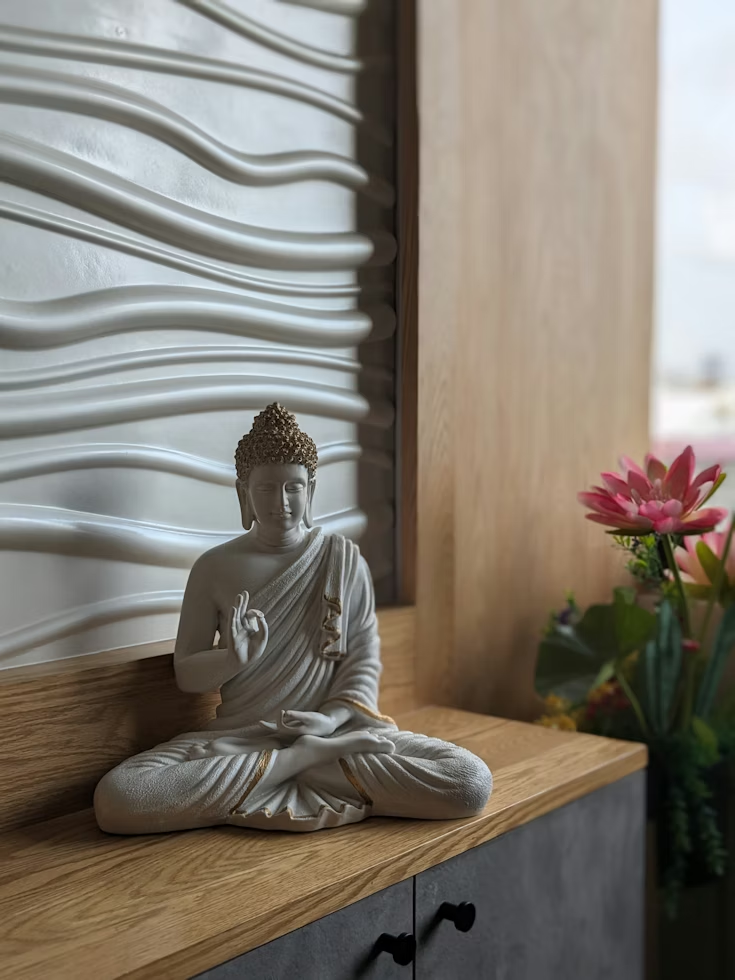
If you’ve ever wondered how many Buddhas are there, the answer is complex and layered, with different schools of Buddhism recognising various incarnations and manifestations of Buddha. But regardless of the number, the presence of a Buddha statue or sacred sculpture in your home serves as a symbol of peace, wisdom, and enlightenment.
The Role of Sacred Sculptures in Home Decor
Bringing Spiritual Significance to Your Space
Sacred sculptures hold deep meanings and can act as powerful symbols within your home. Whether it is a statue of Buddha, a Hindu deity, or another spiritual figure, these sculptures often embody principles such as wisdom, balance, and tranquility.
The mere presence of these pieces can create an atmosphere that encourages mindfulness, reflection, and a sense of connection to higher ideals.
For example, a Buddha statue in your living room can serve as a daily reminder of peace and enlightenment, while a Hindu sculpture of Lord Ganesha can bring a sense of protection and the removal of obstacles. Such spiritual pieces can serve as focal points in your home, providing a deeper layer of meaning to your decor.
Creating a Peaceful and Harmonious Atmosphere
The right sacred sculpture can contribute to a harmonious atmosphere within your home. In addition to their symbolic meanings, many sacred sculptures feature calming imagery, such as serene faces, meditative postures, or flowing lines.
These aesthetic qualities can help set a tranquil tone in any room, creating an environment conducive to relaxation, meditation, or contemplation.
Whether placed in your living room, bedroom, or meditation space, sacred sculptures have the power to elevate the mood of a room. They promote calmness and offer a visual focal point that brings together the spiritual and the decorative aspects of your home.
Types of Sacred Sculptures to Enhance Your Decor
Buddha Sculptures: Symbols of Peace and Enlightenment
One of the most popular sacred sculptures is the Buddha statue, which is widely appreciated for its symbolic significance and aesthetic appeal. Buddha statues are known to represent qualities such as peace, wisdom, and compassion. There are various types of Buddha statues, each with a unique meaning depending on its pose, hand gesture (mudra), and expression.
- Seated Buddha: The most common Buddha statue is the seated one, which is often depicted in meditation. This posture represents inner peace and the quest for enlightenment.
- Standing Buddha: This type of Buddha statue is depicted with a raised right hand, symbolising protection and fearlessness.
- Reclining Buddha: This Buddha represents the moment of enlightenment or nirvana. It is typically shown lying down, with a peaceful expression.
Each Buddha statue brings a different energy into your home, but all are linked by the shared ideals of peace, mindfulness, and spiritual awakening.
Hindu Sculptures: Divine Representations of Deities
Hindu sculptures are another great option for elevating your decor with sacred sculptures. Hinduism has a rich pantheon of deities, and each one represents various aspects of life, nature, and the cosmos. The statues of gods and goddesses like Lord Shiva, Goddess Lakshmi, and Lord Vishnu bring powerful energies into your space.
- Lord Ganesha: Known as the remover of obstacles, Ganesha is often depicted with the head of an elephant. This statue is commonly placed at entryways or in offices to bring prosperity and success.
- Lord Shiva: As the god of destruction and transformation, Shiva statues often feature him in a meditative pose, symbolising inner strength and spiritual transformation.
- Goddess Lakshmi: Representing wealth, prosperity, and good fortune, Lakshmi statues are commonly displayed during festive occasions but also work as year-round symbols of abundance.
Hindu sculptures are often intricately detailed, featuring multiple arms, animals, and divine symbols that make them stand out as focal points in any space.
Abstract Spiritual Sculptures: Representing Universal Concepts
In addition to figurative sculptures, abstract spiritual sculptures are an increasingly popular way to bring sacred energy into your home. These sculptures may not depict specific deities or figures but instead represent spiritual concepts such as the flow of energy, balance, or the interconnectedness of all life.
Abstract spiritual art can be more modern and versatile, fitting seamlessly into a variety of interior design styles.
These sculptures might feature flowing lines, geometric shapes, or symbolic elements like circles or spirals that represent unity, eternity, or spiritual harmony. Abstract sculptures offer a way to incorporate spirituality into your home without the need for recognisable religious symbols, making them ideal for contemporary spaces.
Tibetan Thangka Paintings: Art with Spiritual Purpose
Tibetan Thangka paintings are traditional Buddhist artworks that often feature sacred figures, deities, and spiritual teachings. These intricate paintings are usually framed and displayed on walls as a form of spiritual decoration. The detailed and colourful designs of Thangka art can create a calming atmosphere while conveying the profound wisdom of Tibetan Buddhism.
A Thangka painting typically depicts various scenes, such as the life of the Buddha, Buddhist deities, or representations of mandalas, which are used as tools for meditation. This type of artwork is a wonderful addition to any spiritual space, offering both visual beauty and spiritual depth.
Why Sacred Sculptures Make a Great Addition to Your Decor
Connecting with Spiritual Traditions
Sacred sculptures bring spiritual traditions into your home, allowing you to connect with a rich cultural heritage that spans centuries. Whether you’re drawn to the calm wisdom of the Buddha or the protective energy of Lord Ganesha, these sculptures offer a way to honour and reflect on various spiritual practices and philosophies.
By incorporating these statues into your home, you surround yourself with positive energies that inspire growth, mindfulness, and compassion. Sacred sculptures serve as reminders of the values and beliefs you hold dear, grounding you in your spiritual practices.
Complementing Any Decor Style
Another advantage of sacred sculptures is their ability to complement a wide range of decor styles. Whether your home is decorated in a minimalist, bohemian, or traditional style, sacred sculptures can fit seamlessly into the design. For example:
- Traditional and Rustic Spaces: The intricate details of Hindu sculptures or stone Buddha statues can enhance the earthy, natural tones of traditional and rustic interiors.
- Modern and Minimalist Spaces: Abstract spiritual sculptures and sleek metal Buddha statues can add a touch of spirituality while maintaining the clean lines of a modern design.
- Meditation or Yoga Spaces: Sculptures representing calmness, serenity, and enlightenment are perfect for creating a tranquil environment in a dedicated meditation room or yoga studio.
Sacred sculptures offer versatile decor options, making them suitable for any room in the home.
Enhancing Mindfulness and Reflection
One of the greatest benefits of elevating your decor with sacred sculptures is the way they encourage mindfulness and reflection. Each time you pass by a Buddha statue or gaze at a Thangka painting, you’re reminded to slow down, reflect, and align with your deeper self.
These sacred pieces help you stay present and focused on what truly matters, turning your home into a sanctuary of peace and calm.
Whether placed in your bedroom, living room, or study, sacred sculptures provide gentle reminders of mindfulness, allowing you to reconnect with your inner self throughout the day.
How to Incorporate Sacred Sculptures in Your Home
Select the Right Piece for Your Space
When elevating your decor with sacred sculptures, it’s essential to choose pieces that resonate with you personally. Consider the energy you want to bring into your space. If you’re seeking peace and tranquillity, a Buddha statue may be ideal. If you’re aiming for prosperity and protection, a Ganesha statue could be more suitable.
Also, think about the size of the sculpture and the area where you plan to place it. A larger sculpture may be appropriate for an entryway or large living room, while smaller pieces work well on bookshelves, mantels, or side tables.
Create a Sacred Space
Designate an area of your home as a sacred space where you can meditate, reflect, or simply unwind. Placing sacred sculptures in this area helps set the tone for your spiritual practice. A Buddha statue, Tibetan Thangka painting, or even a small shrine with multiple deities can create a peaceful environment where you can disconnect from the outside world.
Pairing Sacred Sculptures with Other Elements
Sacred sculptures can be enhanced by pairing them with complementary elements such as candles, incense, or soft lighting. These items help create a serene and reflective atmosphere, turning your home into a sanctuary.
Frequently Asked Questions
What are the different types of Buddha statues?
Buddha statues come in many types, including seated, standing, reclining, and walking forms. Each pose has a specific meaning, such as meditation, protection, or enlightenment. The seated Buddha is the most common, symbolising inner peace, while the reclining Buddha represents the Buddha’s entry into Nirvana.
Can sacred sculptures fit into modern home decor?
Yes, sacred sculptures can fit into modern home decor. Abstract sculptures or sleek, minimalistic Buddha statues can complement contemporary spaces. Sculptures like Lord Ganesha or Buddha can also be styled to enhance the modern aesthetic of any room, offering a balance of spirituality and design.
How should I care for my sacred sculptures?
The care for sacred sculptures depends on the material they are made from. For example, stone and bronze statues require occasional dusting, while wooden sculptures may need to be cleaned with a dry cloth to prevent damage. Always avoid harsh chemicals, and keep sculptures away from direct sunlight to prevent fading.
Conclusion
Elevating your decor with sacred sculptures is a meaningful way to enhance your home’s atmosphere while bringing in elements of peace, wisdom, and cultural richness. Whether you choose a Buddha statue, Hindu deity sculpture, or abstract spiritual art, these pieces can transform your space into a haven of tranquillity and mindfulness.
By selecting the right sculpture for your home and creating a sacred space for reflection, you invite positive energies and timeless beauty into your everyday life.