
Building your dream home can be an exciting yet overwhelming experience. From choosing the perfect plot of land to seeing the final design come to life, the new home construction process involves a series of steps that require careful planning and execution.
If you’re wondering “How much does it cost to build a house in Melbourne?”, the answer can vary depending on factors like the size, location, and complexity of your project. However, knowing the typical steps involved in the construction process can help you better understand what to expect.
This guide will walk you through the entire new home construction process, step by step, so you can make informed decisions at every stage.
The Initial Planning Phase
The planning stage is where the foundation for your home construction begins. This phase is crucial because it sets the direction for the entire project. It involves many decisions, including budgeting, designing, and selecting the right team to help bring your vision to life.
Setting a Budget
Before you do anything, establish a clear budget for your project. Understanding the cost of building a house in Melbourne or wherever you’re planning to build is essential to ensure that your expectations align with your finances. The cost will depend on factors like land price, size of the house, materials, and whether you’re going for a custom design or a pre-designed home.
Cost Breakdown
- Land costs: The price of land will vary based on location, proximity to amenities, and demand in that area.
- Construction costs: These include everything from the foundation to the roofing, plumbing, and electrical work.
- Interior finishes: The type of materials you choose for flooring, cabinets, and countertops will impact your overall budget.
- Permitting and fees: You’ll also need to account for fees related to permits, inspections, and utility connections.
Having a clear and detailed budget at the outset will help you avoid overspending and allow your builder to provide accurate estimates.
Choosing a Design and Builder
Once your budget is set, it’s time to choose a design. You can either opt for a pre-designed home or hire an architect to create a custom design. The choice will largely depend on your budget and personal preferences.
Selecting a Builder
Choosing the right builder is one of the most critical steps in the construction process. Look for a licensed and reputable builder with experience in the type of home you want to construct. Many builders specialise in certain types of homes, so make sure they are a good fit for your project.
Securing Permits and Legal Approvals
Before construction can begin, you’ll need to obtain various permits and approvals from local authorities. These are required to ensure that your home complies with zoning laws, building codes, and safety standards.
Zoning and Land Use Regulations
Zoning laws determine what type of construction is allowed on a particular piece of land. Before starting, check with your local council to ensure that the property is zoned for residential construction.
Building Permits
A building permit is essential for any new home construction. The permit ensures that the building plans meet safety and regulatory standards. Your builder will usually help you secure these permits, but you must submit your design to the local authorities for approval first.
Inspections
During construction, various inspections will take place at different stages. These inspections check that the building meets safety, quality, and environmental standards. The builder will usually coordinate these inspections, but you should ensure that they occur at the necessary milestones.
Site Preparation and Foundation
Once the permits are approved, the construction process can begin. The first stage of construction is site preparation and laying the foundation.
Clearing the Land
Before construction begins, the land must be cleared of any obstacles, including trees, rocks, or existing structures. This is also when utilities like water, electricity, and sewage will be connected to the site.
Excavation and Foundation
The foundation is one of the most important aspects of any building. Depending on the design and site conditions, your builder will either lay a concrete slab, build a crawl space, or construct a full basement.
The excavation process involves digging and preparing the ground to support the foundation and the structure of the home. This phase typically takes around 2 to 3 weeks, depending on weather and site conditions.
Framing the House
With the foundation in place, the framing process begins. This is when the skeleton of your house starts to take shape.
Structural Framing
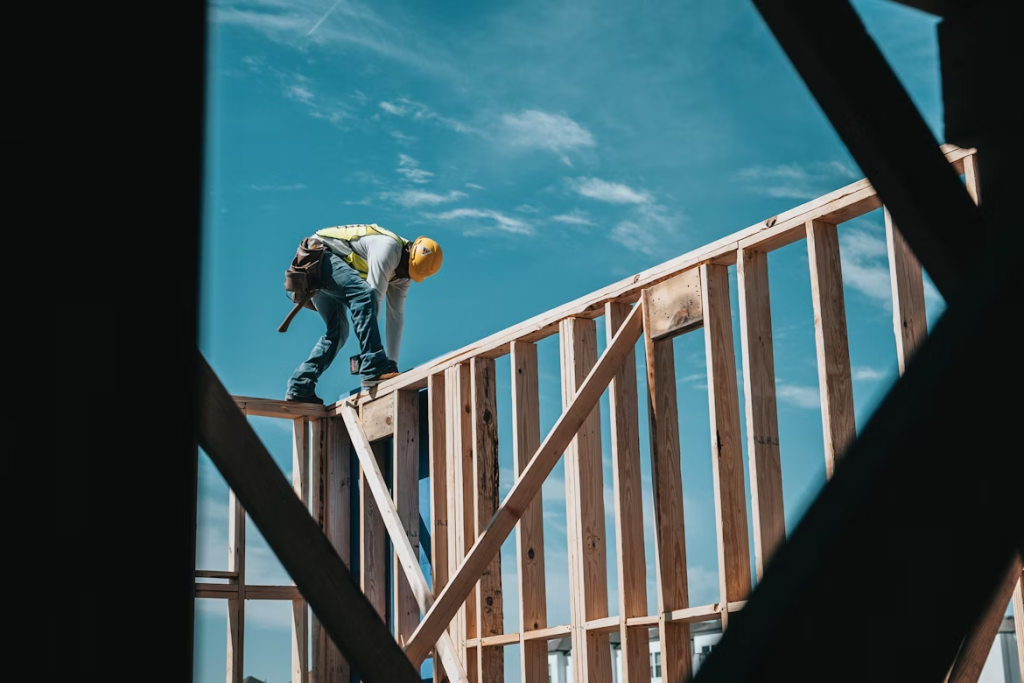
During the framing stage, the builder constructs the walls, floor systems, and roof trusses. This is the stage where you’ll see your home’s basic structure emerge. The framing process usually takes around 4 to 6 weeks, depending on the size and complexity of the design.
Installing Windows and Doors
Once the framing is complete, windows and doors are installed, which helps seal the home and makes it weatherproof. The house will start to look more like a completed structure at this point.
Plumbing, Electrical, and HVAC Systems
The next phase of construction involves installing the plumbing, electrical wiring, and HVAC (heating, ventilation, and air conditioning) systems. These are essential for the functionality of your home.
Plumbing Installation
Plumbing installation begins once the home is framed. This involves the installation of pipes for water, drainage, and gas systems. The plumbing system is carefully planned to ensure that water flows efficiently and safely throughout the home.
Electrical Wiring and HVAC Installation
Electrical wiring and HVAC systems are installed at the same time. This includes running wires for lights, power outlets, and appliances, as well as setting up your heating and cooling systems. This phase usually takes about 4 to 6 weeks.
Interior and Exterior Finishes
With the main systems in place, the finishing touches can begin both inside and outside the home. This stage involves installing drywall, flooring, cabinetry, and painting.
Interior Work
Interior finishes include drywall, painting, flooring, cabinets, and countertops. This stage also involves installing fixtures like sinks, showers, and lighting. The complexity of these features can affect the timeline, but typically, this phase takes between 4 to 6 weeks.
Painting and Flooring
Once the drywall is in place, the home is painted, and the flooring is installed. This includes laying carpets, tiles, or hardwood floors depending on your preferences.
Exterior Finishes
The exterior of the home is also finished during this stage. This includes installing roofing, siding, and gutters. Landscaping may also begin, which includes planting grass, shrubs, and trees, as well as adding any outdoor structures like decks or patios.
Final Inspections and Walk-Through
Once construction is nearly complete, a final inspection is conducted to ensure that everything meets the necessary building codes and safety standards. At this point, you can also conduct a walk-through with the builder to check for any issues or areas that need attention.
Final Touches
The final touch-ups are completed, such as fixing any small defects or finishing details like hardware installation. The home is then cleaned, and any last-minute adjustments are made.
Handover
After all inspections are passed and any issues have been resolved, the builder hands over the keys to your new home. You can now move in and enjoy your completed home!
Frequently Asked Questions
How long does it take to build a new home?
On average, it takes between 6 to 12 months to build a new home, depending on the size, complexity of the design, and site conditions.
How much does it cost to build a house in Melbourne?
The cost of building a house in Melbourne can range from $1,000 to $3,000 per square metre, depending on factors like location, design, and materials used.
Can I make changes during the construction process?
While some changes are possible during construction, they may cause delays and increase costs. It’s best to finalise your design early to avoid significant changes once construction has started.
Conclusion
The new home construction process is a detailed journey that involves multiple stages, from initial planning and securing permits to the final handover of keys.
Understanding these stages will help you plan your project more effectively and ensure that your dream home is built to your specifications.
Whether you’re building a small home or a large custom house, working with an experienced builder and staying informed throughout the process can lead to a smooth and successful home construction experience.