
Funeral services across Asia are diverse, with deep-rooted customs and traditions reflecting the unique cultures and religious practices found throughout the continent.
From Buddhist ceremonies in Thailand to Confucian rites in China, each country has its own set of rituals that guide families in honouring the deceased.
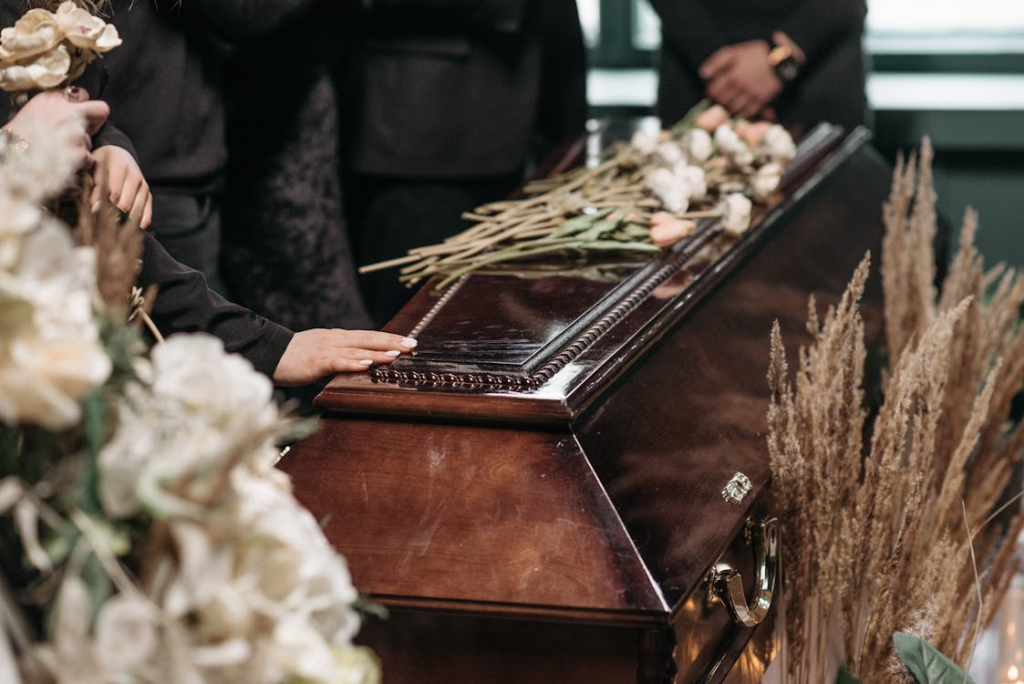
Orthodox funerals, though often associated with specific religious sects, also share some parallels with many Asian practices, such as respect for the deceased and the importance of rites for the afterlife.
This article will explore various Asian funeral services and the customs and traditions associated with them.
Understanding the Importance of Funerals in Asian Cultures
Funeral rituals in Asia are not only a means to honour the deceased but also a way to show respect for the family and community. In many Asian cultures, the manner in which a person is laid to rest reflects not only their life but also the spiritual connection to the family and ancestors.
The customs surrounding these services vary widely across different countries, but one common theme is the belief that the soul of the deceased must be guided peacefully to the afterlife.
Spirituality and Ancestor Worship
In countries such as China, Japan, and Korea, ancestor worship is deeply ingrained in the culture. This practice involves making offerings to deceased relatives, seeking their blessings, and ensuring their spirits are appeased.
Funeral services in these regions are often elaborate, reflecting the importance of maintaining a connection with one’s ancestors.
In China, for example, the process of honouring the dead includes the burning of joss paper, which is believed to send material goods to the afterlife.
In Japan, ancestral altars (butsudan) are used throughout the year, with a particular focus during the annual Obon festival when spirits of the deceased are said to return home.
Buddhist Funeral Traditions
Buddhist funeral services, which are prominent across many Asian countries, such as Thailand, Cambodia, Laos, and Vietnam, are centred around the teachings of Buddhism. The primary focus is on the deceased’s journey into the next life and ensuring a smooth transition.
The Role of Monks
In many Buddhist cultures, monks play a central role in funeral rites. The family may invite monks to chant prayers, deliver sermons, and offer blessings for the deceased. The chants are believed to help guide the deceased’s soul towards enlightenment and relieve any suffering.
Cremation and Burial Practices
Cremation is a common practice in many Buddhist communities, as it is believed to help release the spirit from the physical body. However, the specific customs surrounding cremation can vary from country to country.
In Thailand, for example, the body is often displayed in the home or a temple for several days before being cremated, and the ashes are collected and kept in a family shrine.
In contrast, some Buddhist traditions in Vietnam may have burial practices before cremation, where the family participates in a series of purification rites.
Confucian Funeral Customs
Confucianism, a major influence on cultures in China, Korea, and Vietnam, has its own approach to funeral services. These services often reflect the importance of filial piety, or respect for one’s parents and elders.
Filial Piety and Funeral Rituals
In Confucian tradition, funeral services are an important opportunity to show respect and filial piety. The family of the deceased is expected to observe strict mourning periods, during which time they may refrain from participating in social events or celebrations.
The process is meant to reflect the family’s respect for the deceased and their ancestors.
In China, the mourning period is divided into phases, with the family gradually resuming normal activities after completing each stage of mourning.
The funeral itself typically includes formal rites, such as burning incense and paper offerings to honour the dead, and a procession to the burial site.
Offerings and Symbolism
During Confucian funeral services, the family may present offerings of food and symbolic items to ensure the deceased’s peaceful journey. These offerings may include fruits, tea, and paper items like clothes or money, symbolising the deceased’s needs in the afterlife.
Hindu Funeral Rites in Asia
Hindu funeral services, while most closely associated with India, are also followed by Hindu communities in other parts of Asia, such as Nepal, Sri Lanka, and Bali. In Hinduism, the funeral is seen as a means to help the soul reach moksha (liberation) and move on to the next life.
The Role of Fire and Cremation
Cremation is the most common practice in Hindu funeral rites. The body is bathed and dressed in simple clothing, and then it is placed on a funeral pyre. Fire is considered purifying, and it is believed that cremating the body helps release the soul from its earthly attachments.
Family members often gather around the pyre, chanting mantras and offering prayers for the deceased’s spiritual journey. After the cremation, the family gathers the ashes and scatters them in a sacred river, such as the Ganges, to ensure the soul’s final journey is completed.
Rituals for the Soul’s Journey
The rituals following the cremation focus on the soul’s transition to the next life. The family performs a series of prayers and offerings over a period of days or weeks to ensure the soul is properly guided.
These rites are a form of dedication to the deceased, as well as a way to seek blessings and peace for the family.
Muslim Funeral Traditions in Asia
Islamic funeral services in Asia, while broadly similar to practices elsewhere in the Muslim world, also carry cultural nuances that reflect the diversity of the region.
Countries like Indonesia, Malaysia, and India have large Muslim populations, each with unique funeral customs.
The Importance of Burial
In Islamic tradition, burial is a significant part of the funeral process. The body is washed and wrapped in a simple cloth before being buried in the ground, facing the direction of Mecca. The family and community members gather at the gravesite to offer prayers and pay their respects.
Prayers and Burial Process
Muslim funeral services are often brief, but they include key prayers such as the Janazah prayer, which is said to seek forgiveness for the deceased.
The burial process is accompanied by prayers for the deceased’s soul, and the family may continue to recite Quranic verses and prayers in the days following the burial.
Shinto Funerals in Japan
Shintoism, Japan’s indigenous religion, also has its own distinct funeral traditions. Although many Japanese people practice a mix of Shintoism and Buddhism, Shinto rituals are still significant, especially in rural areas.
Purification and Rituals
Shinto funerals focus on purification. After the death, the body is purified by family members before being placed in a casket. The funeral service is usually simple and involves chanting and prayers to ensure that the deceased’s spirit is peacefully separated from the world of the living.
Funeral Offerings and Burial
Shinto offerings include food, sake, and symbolic items placed at the altar, which represent respect for the deceased’s spirit. The family may perform a final ritual before the body is interred in a family grave.
Shinto funerals are often followed by ceremonies to honour the ancestors during key points throughout the year.
Modern Asian Funeral Practices
While traditional funeral rites are still widely practiced across Asia, modernisation has led to the incorporation of more contemporary elements.
In large cities, families may opt for more streamlined services, using cremation as the primary method of disposition and relying on professional funeral homes to manage the logistics.
Digital Memorials
One modern development in Asian funeral practices is the rise of digital memorials. Many families now create online spaces to remember the deceased, share photos and messages, and even host virtual memorial services.
These digital options have become particularly important during times when large gatherings are restricted, such as during the COVID-19 pandemic.
Frequently Asked Questions
What are the common traditions in Asian funerals?
Asian funeral traditions vary widely by country but typically include rituals such as offerings to the deceased, chanting or prayers by religious figures, and specific burial or cremation practices. Respect for ancestors and the afterlife plays a central role in these traditions.
Are there any commonalities between Asian funeral customs?
Yes, despite the variations, many Asian funeral services share similarities, such as the importance of respect for the deceased, the role of rituals for the soul’s transition, and offerings to guide the deceased in their journey to the afterlife.
How are modern funeral services in Asia different from traditional ones?
Modern funeral services in Asia are often more streamlined and may include contemporary elements like digital memorials or simpler, less elaborate services. However, many families still observe traditional practices, especially in rural areas.
Conclusion
Asian funeral services are rich with tradition and spirituality, reflecting the diverse cultures and beliefs that shape the region.
From Buddhist ceremonies to Hindu rites and Shinto practices, each culture offers a unique approach to honouring the deceased and ensuring a peaceful transition to the afterlife.
Despite the modernisation of funeral services in some areas, many families continue to observe these deep-rooted customs, ensuring that their traditions are passed down through generations.
Whether through orthodox funerals or more contemporary practices, Asian funeral services provide a meaningful way to remember and respect those who have passed.