
Lighting is an essential part of any home, but traditional lighting systems can consume a significant amount of energy, leading to higher electricity bills and a larger carbon footprint.
As homeowners become more conscious of energy efficiency, the adoption of energy-efficient lighting solutions is becoming increasingly popular.
Installing energy-efficient lighting not only reduces your energy consumption but also offers a range of other benefits, from saving money to improving the overall environment of your home.
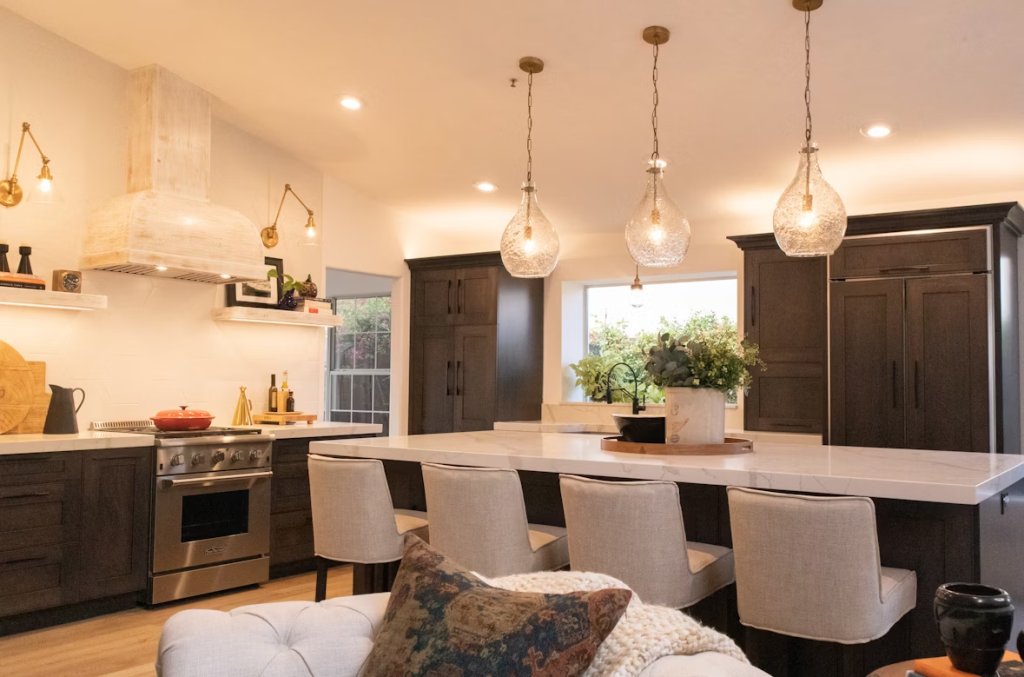
If you’re looking to make your home more energy-efficient, consulting Benalla electricians can help guide you through the best lighting solutions available for your space.
What is Energy-Efficient Lighting?
Energy-efficient lighting refers to lighting systems that consume less electricity to produce the same amount of light as traditional incandescent bulbs.
These lights are designed to reduce the amount of energy wasted in the lighting process, helping homeowners save on electricity bills while minimising their environmental impact.
Types of Energy-Efficient Lighting
There are several types of energy-efficient lighting options available:
LED (Light Emitting Diodes)
LEDs are one of the most energy-efficient and long-lasting lighting solutions. They use up to 75% less energy than incandescent bulbs and last 25 times longer.
CFL (Compact Fluorescent Lamp)
CFL bulbs are another energy-efficient option, using around 70% less energy than traditional incandescent bulbs.
Halogen Incandescents
These are a more efficient version of the standard incandescent bulb, though not as efficient as LEDs or CFLs.
The Benefits of Installing Energy-Efficient Lighting
Installing energy-efficient lighting in your home provides a wide range of advantages, not just for your energy bills but for your home’s comfort and the environment.
1. Lower Energy Bills
One of the most immediate benefits of energy-efficient lighting is the reduction in your electricity bill. Energy-efficient bulbs, particularly LEDs, use a fraction of the power compared to traditional incandescent bulbs.
Energy-efficient lighting helps reduce bills in two main ways. First, it consumes less power to provide the same amount of illumination, leading to lower energy usage.
Second, energy-efficient bulbs like LED and CFL have a longer lifespan compared to traditional incandescent bulbs, meaning they need to be replaced less frequently, resulting in savings on replacement costs over time.
2. Longer Lifespan
Energy-efficient lighting options, especially LEDs, are designed to last much longer than traditional incandescent bulbs. While incandescent bulbs typically last about 1,000 hours, LEDs can last up to 25,000 hours or more.
The advantages of a longer lifespan for energy-efficient bulbs are significant. First, fewer replacements are required, reducing both waste and the cost of purchasing new bulbs.
Second, the convenience of less frequent bulb changes means less hassle, fewer trips to the store, and a more consistent lighting solution without the interruption of burnt-out bulbs.
3. Environmental Benefits
Switching to energy-efficient lighting helps reduce your home’s carbon footprint. By using less electricity, energy-efficient lights contribute to a reduction in greenhouse gas emissions, which are primarily produced by burning fossil fuels to generate power.
The environmental impact of energy-efficient lighting is substantial. By consuming less power, energy-efficient lighting reduces the overall demand for electricity, which in turn lowers carbon emissions from power plants.
Additionally, LED bulbs are often made from materials that are less harmful to the environment and can be recycled, contributing to a more sustainable approach to lighting production and disposal.
4. Improved Light Quality
Energy-efficient lighting does not only reduce your energy consumption; it also improves the quality of light in your home. LED and CFL bulbs emit a brighter, clearer light and can be used in various colour temperatures, from warm to cool white.
The benefits of improved lighting quality are numerous. Energy-efficient bulbs like LEDs and CFLs offer brighter, more consistent light, providing a more uniform and even distribution of illumination that enhances visibility throughout your home.
Additionally, LEDs offer customisable lighting options, with different colours and brightness levels, allowing you to create the perfect atmosphere for each room in your home, whether for relaxation, work, or entertainment.
Whether you’re lighting a kitchen, bathroom, or living room, energy-efficient lighting options help create the right environment while providing superior quality.
5. Better for Health and Comfort
Energy-efficient lighting can also enhance the comfort and health of your home’s occupants.
Many modern LED lights are designed to provide a high colour-rendering index (CRI), which allows them to show colours more vividly and accurately, creating a more pleasant visual environment.
6. Lower Maintenance Costs
Energy-efficient lighting requires less maintenance due to its longer lifespan and reduced need for frequent bulb replacements. This is particularly important in homes with hard-to-reach light fixtures or in commercial buildings with extensive lighting installations.
7. Cost-Effective in the Long Run
While the initial cost of energy-efficient bulbs like LEDs and CFLs can be higher than traditional incandescent bulbs, the long-term savings make them far more cost-effective.
These bulbs use less power and need fewer replacements, leading to significant savings on electricity bills and replacement costs.
How to Install Energy-Efficient Lighting in Your Home
Switching to energy-efficient lighting is simple, and the benefits are immediate. Here’s how you can make the transition:
1. Identify the Areas to Upgrade
Start by identifying which areas of your home use the most electricity. Focus on rooms with high lighting needs, such as the kitchen, living room, and bathrooms. Upgrading these areas first will provide the most immediate savings.
2. Choose the Right Bulbs for Each Space
Not all lighting needs are the same. In high-traffic areas like the living room, consider using LED bulbs that offer a soft, ambient light. In workspaces, opt for cooler, brighter lighting to improve visibility.
3. Replace Your Current Bulbs with Energy-Efficient Alternatives
Once you’ve identified the areas to upgrade, simply replace your incandescent or halogen bulbs with LEDs or CFLs. Ensure that you select the correct wattage and colour temperature for each room.
4. Use Smart Lighting Controls
Consider pairing energy-efficient lighting with smart lighting controls, such as dimmers, timers, and motion sensors. These controls allow you to further reduce energy consumption by ensuring lights are used only when necessary.
Conclusion
The benefits of installing energy-efficient lighting in your home are numerous, ranging from lower electricity bills to enhanced comfort and environmental sustainability.
By switching to LED or CFL bulbs, you can reduce your energy consumption while improving the quality of light in your living spaces.
With long-term savings, reduced maintenance, and improved health benefits, energy-efficient lighting is an excellent choice for any homeowner.
If you need assistance in choosing or installing the right lighting for your home, don’t hesitate to contact Benalla electricians for expert advice and service.
Frequently Asked Questions
How much can I save by switching to energy-efficient lighting?
The savings vary depending on the number of bulbs you replace and the type of lighting you install. However, it’s common to save up to 75% on your electricity bills by switching to LED lighting, especially in high-usage areas.
Are LED lights really worth the upfront cost?
While LED lights may have a higher upfront cost, their long lifespan and energy savings make them more cost-effective over time. You’ll save money on energy bills and replacements, making the initial investment worthwhile.
How do I know which energy-efficient lighting is best for my home?
Consider the lighting needs of each room in your home. For areas requiring bright, consistent light, such as kitchens or bathrooms, choose LEDs. For softer, ambient lighting, CFLs may be a better option.