
Construction project management is a complex process that involves several stages, each crucial to ensuring the successful completion of a project.
From planning and design to execution and closeout, each phase of the construction lifecycle requires careful management and coordination of resources, schedules, and budgets.
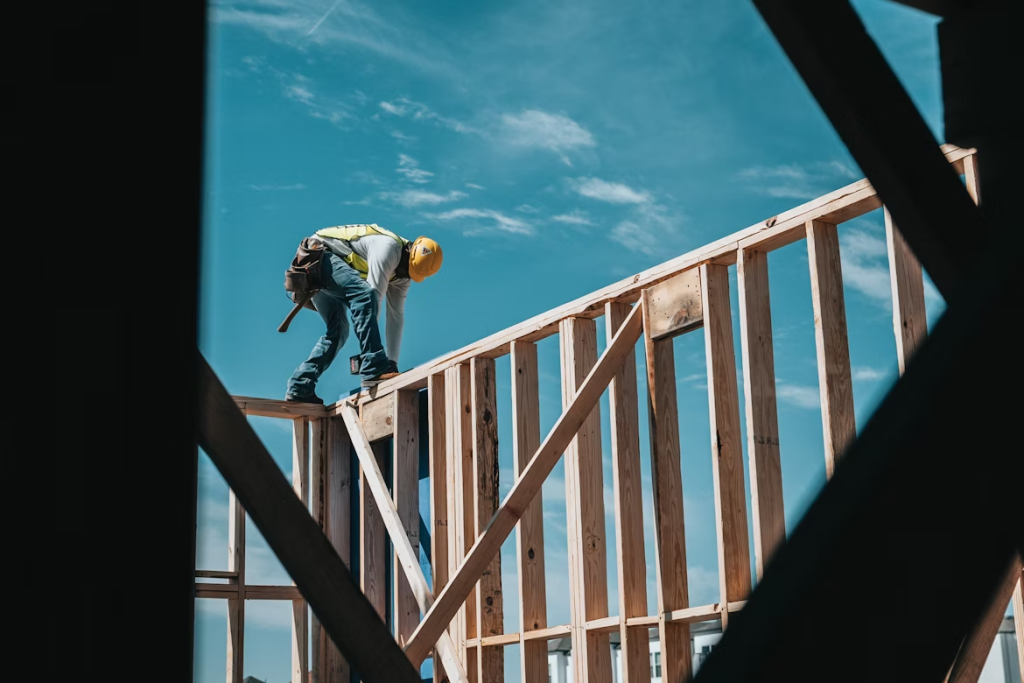
Effective project management ensures that the construction project meets its objectives, stays on budget, and is completed on time.
In this article, we will break down the essential steps in the construction project management lifecycle and provide expert insights into managing each stage effectively.
Whether you’re working on a residential or commercial fit out, understanding these steps is key to successful project delivery.
Overview of the Construction Project Management Lifecycle
The construction project management lifecycle is typically divided into five key phases: initiation, planning, execution, monitoring and control, and closure.
Each of these phases is interdependent, and effective management of each stage ensures the overall success of the project.
1. Initiation Phase
The initiation phase marks the beginning of any construction project. It’s the stage where the project’s objectives, scope, and feasibility are established.
During this phase, the project manager works with stakeholders to understand their needs and expectations, defines the project scope, and conducts a feasibility analysis.
What Happens in the Initiation Phase:
Project charter creation
A project charter is developed, outlining the project’s objectives, scope, stakeholders, and timeline.
Feasibility study
The viability of the project is assessed, including costs, resources, and potential risks.
Stakeholder engagement
Key stakeholders, such as clients, contractors, and local authorities, are identified and engaged to ensure alignment on goals.
2. Planning Phase
Once the project is initiated, the next phase focuses on detailed planning. This is the most critical phase in the construction project lifecycle, as it sets the stage for successful execution. During the planning phase, a comprehensive project plan is developed, which includes defining deliverables, setting timelines, estimating costs, and identifying risks.
Key Activities in the Planning Phase:
Scope definition
The project scope is broken down into detailed work packages that outline specific tasks and deliverables.
Budget creation
A comprehensive budget is established to include costs for labour, materials, equipment, and contingency funds.
Scheduling
A detailed project schedule is created using tools like Gantt charts to allocate timeframes to each task and milestone.
Resource allocation
Resources, such as skilled labour and materials, are identified and scheduled to meet the needs of the project.
Risk management planning
Potential risks are identified, and mitigation strategies are developed to prevent delays or cost overruns.
3. Execution Phase
The execution phase is where the actual construction work takes place. During this phase, the project team works to complete tasks according to the project plan.
Effective communication, coordination, and quality control are crucial to ensuring that the project remains on track and meets the required standards.
Key Actions in the Execution Phase:
Coordination of resources
Materials, equipment, and personnel are mobilised to start the construction work according to the schedule.
Quality assurance
Quality checks are conducted to ensure the work meets the required standards and specifications.
Monitoring progress
Regular progress meetings are held to ensure the project is moving forward as planned.
Change management
Any necessary changes or adjustments to the project plan are handled in this phase, ensuring they don’t cause delays or disrupt progress.
4. Monitoring and Control Phase
Monitoring and control run concurrently with the execution phase. This phase involves tracking the progress of the project to ensure it stays on schedule and within budget.
Any issues or deviations from the plan are identified and addressed promptly to minimise delays or increased costs.
How Monitoring and Control Are Handled:
Performance tracking
Project progress is continuously monitored against the project schedule and budget.
Cost management
Budget tracking ensures that expenses are kept in line with the initial estimates. If discrepancies arise, corrective actions are taken.
Risk management
Identified risks are managed by constantly reviewing mitigation strategies and making adjustments as required.
Quality control
Ensuring that all work is completed to the agreed-upon specifications and standards is a key function of the monitoring phase.
5. Closure Phase
Once construction is completed, the project moves into the closure phase. This phase involves completing final inspections, ensuring all contractual obligations are met, and handing over the project to the client.
Proper closure of the project is essential to ensure satisfaction with the final result and to capture lessons learned for future projects.
Activities During the Closure Phase:
Final inspection and testing
Ensuring all work has been completed as per the contract specifications and regulatory standards.
Handover
The project is formally handed over to the client, along with any necessary documentation, warranties, and manuals.
Post-project review
A review is conducted to evaluate the project’s success, including what went well and areas for improvement.
Final accounting
All financials are closed out, and any remaining invoices or payments are processed.
Essential Project Management Tools for Each Phase
Effective project management requires the use of various tools and techniques to stay organised and ensure the smooth running of each phase.
From scheduling and budgeting software to communication platforms, these tools help project managers coordinate activities and keep track of progress.
1. Scheduling Software
Scheduling tools such as Microsoft Project or Primavera P6 are vital for mapping out the entire project timeline. They allow project managers to break down tasks, assign responsibilities, and ensure that milestones are met on time.
2. Budgeting Tools
Project management software like Procore or Buildertrend offers comprehensive budgeting features that track costs in real-time. These tools allow project managers to stay within budget, identify discrepancies early, and manage cash flow effectively.
3. Communication Tools
Effective communication is essential throughout the lifecycle of a construction project. Tools like Slack, Microsoft Teams, or Trello provide easy ways for project teams to communicate, share updates, and collaborate on tasks.
Best Practices for Successful Project Management
While tools and software are important, the approach and practices adopted by the project manager play a major role in the success of a construction project. Here are some best practices to follow throughout the project lifecycle:
1. Clear Communication
Effective communication between stakeholders, contractors, and team members is the backbone of successful project management. Regular updates, clear directives, and open lines of communication help prevent misunderstandings and ensure alignment.
2. Proactive Risk Management
Identifying potential risks early and developing mitigation strategies is key to avoiding delays and extra costs. By taking a proactive approach, project managers can handle issues before they escalate.
3. Adaptability and Flexibility
Construction projects often face unforeseen challenges, from weather delays to supply chain disruptions. A successful project manager is adaptable and prepared to adjust plans as necessary to keep the project on track.
4. Regular Progress Reviews
Regular reviews of project progress help ensure that everything is moving forward as planned. These reviews should be used to assess the budget, timeline, and quality of work, making adjustments where needed.
Conclusion
The construction project management lifecycle involves a series of critical steps that ensure the successful completion of any construction project.
By understanding the roles and responsibilities in each phase, from initiation and planning to execution and closure, project managers can navigate complexities, control costs, and deliver projects on time.
Utilising the right tools and adopting best practices, such as clear communication and proactive risk management, can significantly improve the chances of success.
Frequently Asked Questions
How long does the construction project management lifecycle typically take?
The duration of the project management lifecycle varies depending on the size and complexity of the construction project. Smaller projects may take a few months, while larger developments can take several years.
What qualifications should a construction project manager have?
A construction project manager typically holds a degree in construction management, civil engineering, or a related field, along with certifications such as PMP (Project Management Professional) to demonstrate expertise in project management.
How do project managers handle unforeseen issues or delays?
Project managers handle unforeseen issues by having contingency plans in place. They assess the situation, adjust the schedule, and communicate with stakeholders to ensure that the project continues with minimal disruption.