
Removing a tree stump can be a challenging and tedious task, but it’s often necessary for maintaining a tidy yard and avoiding potential hazards.
Tree stumps can attract pests, cause trip hazards, and interfere with other landscaping projects. Whether you’ve recently removed a tree or have an old stump lingering in your yard, learning how to effectively grind and remove tree stumps is crucial.
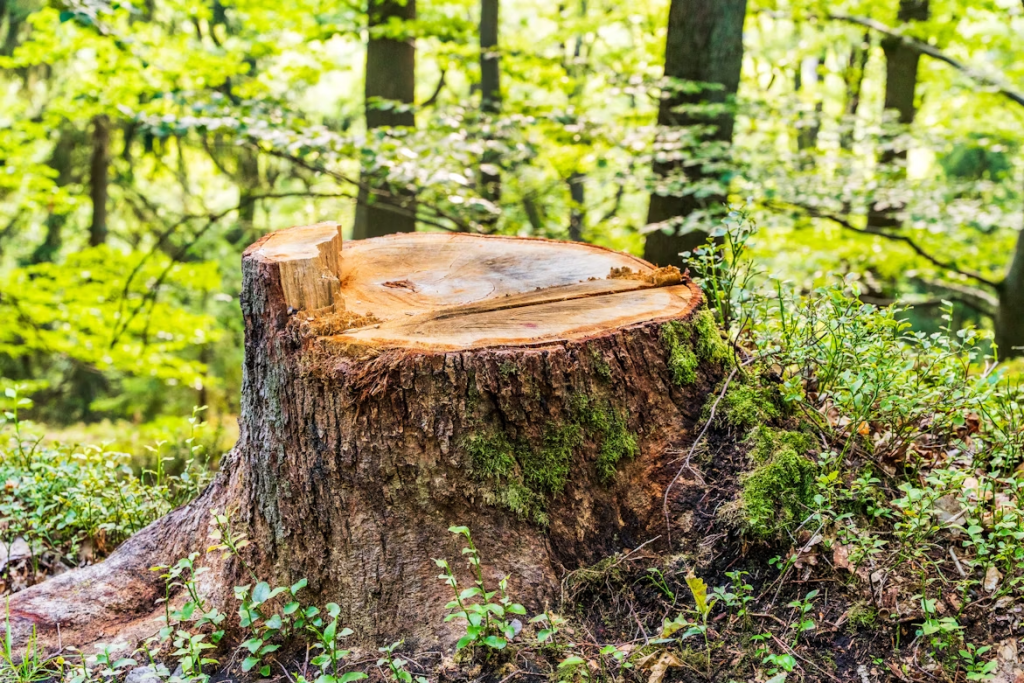
In this guide, we will discuss the steps, tools, and techniques involved in grinding and removing tree stumps efficiently, including how to handle the leftover tree debris from the process.
Why Should You Remove Tree Stumps?
Tree stumps are more than just an eyesore; they can cause various issues if left unattended. They pose safety concerns by acting as tripping hazards, especially in lawns or garden paths.
Additionally, decaying stumps can attract pests such as termites, ants, or beetles, which can further damage your landscape. Many tree stumps can also sprout new shoots, leading to unwanted growth that may interfere with your landscaping plans.
Moreover, stumps can make it difficult to plant new trees, flowers, or undertake other landscaping projects. Removing the stump helps prevent these problems and restores your landscape to its full potential.
Methods for Stump Removal
There are several methods to remove tree stumps, each with its advantages and disadvantages. Grinding is one of the most common and effective methods, but manual removal and chemical processes also have their place, depending on the situation.
In this article, we’ll focus on grinding and the steps involved in doing it safely and effectively.
1. Preparing for Stump Grinding
Before you start grinding a tree stump, preparation is key. The right preparation ensures the process is smooth, safe, and efficient.
Assess the Area and Safety Precautions
The first step is to examine the area around the stump to ensure it is clear of obstacles. You don’t want to damage nearby plants or structures during the grinding process. Here are a few safety tips to consider:
Protect yourself
Wear safety gear, including goggles, gloves, ear protection, and sturdy footwear to avoid injuries from flying debris.
Clear the area
Remove any tree debris or obstacles around the stump to prevent damage to your tools.
Check for underground utilitie
Ensure there are no buried cables or pipes near the stump that could be damaged during grinding.
Choose the Right Tools
The most common tool used for stump grinding is a stump grinder, a machine designed to chip away at the stump and grind it down below ground level. These machines come in various sizes, so selecting the right one is essential depending on the size of the stump.
If you’re unsure about how to use a stump grinder or are dealing with a large stump, consider hiring a professional to avoid accidents.
2. How to Grind a Tree Stump
Grinding a tree stump involves using a rotating blade to break the stump into smaller pieces. The goal is to grind the stump down below the soil surface, leaving you with a level area where you can plant or lay sod.
Position the Stump Grinder
Once the area is clear, position the stump grinder over the stump. For a hand-held grinder, you’ll need to operate it by hand, while a larger commercial grinder can be controlled via levers.
Steps for Grinding the Stump:
- Start the grinder and position the blade a few inches above the stump.
- Lower the blade into the stump and begin grinding slowly. Move the grinder back and forth, ensuring the blade cuts into the stump evenly.
- Grind a little at a time: It’s important to take your time and grind the stump gradually to avoid damage to the machine or surrounding areas.
- Continue grinding: Work your way down to about 6–8 inches below ground level. You’ll need to remove a significant portion of the stump to prevent regrowth and ensure the area is clear.
Handle the Tree Debris
As you grind the stump, it will create a lot of tree debris, including wood chips, bark, and soil. You can use the debris in several ways:
- Use it as mulch: Spread the wood chips around plants or garden beds to retain moisture and suppress weeds.
- Compost the debris: Over time, the wood chips will break down and can be added to compost heaps to enrich the soil.
- Dispose of it: If you don’t want to keep the tree debris, you can bag it up and dispose of it according to your local waste management guidelines.
3. Filling the Hole and Final Steps
After grinding, you’ll be left with a hole where the stump once stood. This hole should be filled to level the ground and prevent any tripping hazards.
Filling the Hole
Once the stump has been ground down, fill the remaining hole with soil, compost, or a mixture of both. This will restore the area to a level surface, making it suitable for new plantings or grass growth.
If you plan to plant a new tree in the same location, ensure the soil is loose enough to allow for root expansion.
Compacting the Soil
To prevent the ground from sinking over time, compact the soil as you fill the hole. This will help ensure the area remains stable and doesn’t create a depression that can collect water or attract pests.
4. Dealing with Leftover Roots
Grinding the stump itself doesn’t always remove the entire root system, which can continue to grow. While the visible portion of the tree stump may be gone, the roots may still pose a problem.
How to Remove Stubborn Roots
For larger roots, you may need to dig them up manually or use a root cutter. If the roots are deep or widespread, you can use a root-killing chemical that targets the roots and prevents regrowth.
If you are unsure how to deal with large roots, consulting a professional arborist can help ensure proper and safe root removal.
Alternatives to Stump Grinding
While stump grinding is a highly effective method for removing tree stumps, there are other ways to remove a stump if grinding is not an option.
1. Manual Stump Removal
For smaller stumps, manual removal is an option. This involves digging up the roots and pulling the stump out of the ground. It is labour-intensive but can be effective for smaller trees.
2. Chemical Stump Removal
Another option is to use chemical stump removers, which accelerate the natural decay process. These chemicals are typically applied to the stump, where they dissolve the wood over time.
This method can take several weeks or months but is less physically demanding than manual removal.
Conclusion
Grinding and removing tree stumps is a necessary step for maintaining a safe, aesthetically pleasing, and functional landscape.
Whether you choose to grind the stump yourself or hire a professional, following the correct steps ensures that the process is done effectively and safely.
Properly handling the tree debris, dealing with stubborn roots, and filling the hole appropriately will restore your yard and eliminate potential problems caused by leftover stumps.
Frequently Asked Questions
How long does it take to grind a tree stump?
The time it takes to grind a tree stump depends on its size and the type of grinder being used. For small stumps, it may take only an hour, while larger stumps can take several hours to grind properly.
Can I grind multiple tree stumps at once?
Yes, if you have a powerful commercial stump grinder, you can grind multiple stumps in one session. However, you should take breaks and inspect the machine regularly to avoid overworking it.
How do I prevent the tree stump from regrowing?
To prevent regrowth, ensure that you grind the stump at least 6 to 8 inches below the soil surface. Removing the roots completely or using chemicals to kill the remaining roots can also prevent new shoots from sprouting.