
Acne scars can remain long after breakouts fade, affecting skin texture, tone, and overall confidence. Many people seek acne scarring solutions that deliver noticeable improvements without resorting to invasive surgery.
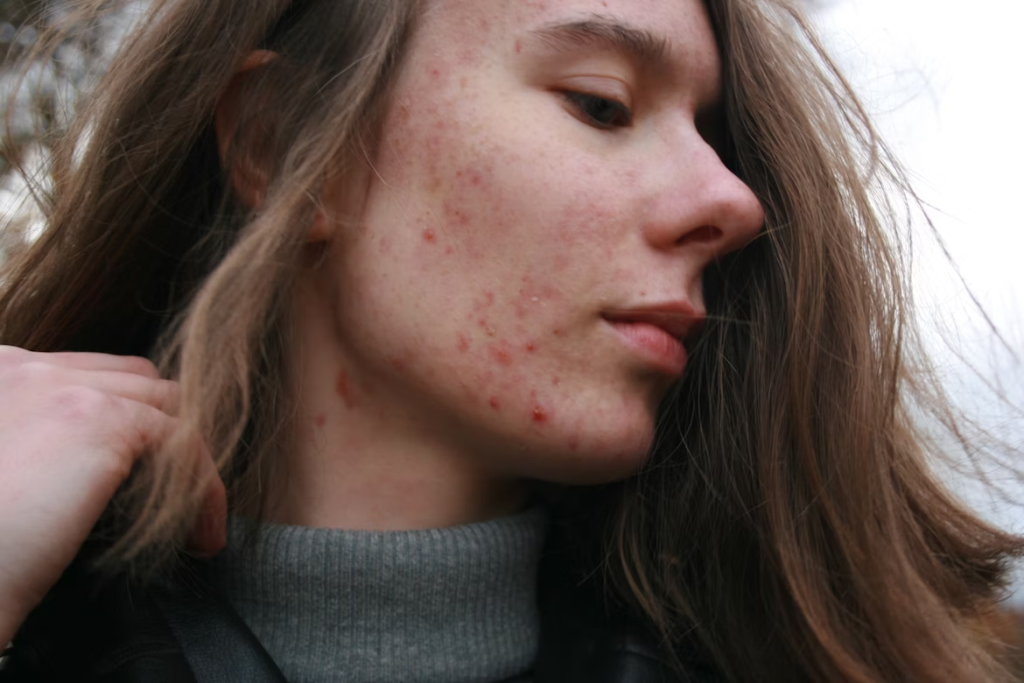
A combination of professional treatments, at-home care, and preventative measures can restore smoother and healthier-looking skin. Clinics often provide a variety of aesthetic solutions tailored to individual needs, ensuring scars are treated safely and effectively.
Understanding Acne Scars
Why Scars Form
Acne scars develop when the skin’s healing process is disrupted after severe or inflamed blemishes. Collagen production may either increase or decrease excessively, leading to uneven texture.
Types of Acne Scars
- Atrophic scars – shallow depressions, including ice-pick, boxcar, and rolling scars.
- Hypertrophic scars – raised scars caused by excess collagen.
- Pigmented scars – dark marks left after inflammation, though not true scars, often included in treatment plans.
Professional Acne Scarring Solutions That Deliver Noticeable Improvements
Chemical Peels
These treatments use controlled acids to remove surface layers and stimulate new growth.
- Superficial peels lighten pigmentation.
- Medium peels improve texture.
- Deeper peels target severe scarring.
Microneedling
This procedure creates controlled micro-injuries that stimulate collagen production. Over time, the skin becomes smoother and scars less visible.
Laser Resurfacing
Lasers precisely target damaged skin, removing outer layers and encouraging renewal. Fractional lasers are especially effective for atrophic scars.
Dermal Fillers
Fillers can temporarily raise depressed scars, improving overall texture. These are often used alongside other treatments.
At-Home Acne Scarring Solutions That Deliver Noticeable Improvements
Retinoids and Retinol
Topical retinoids encourage cell turnover and collagen synthesis, gradually softening scars.
Vitamin C Serums
As a powerful antioxidant, vitamin C brightens pigmentation and supports healing.
Exfoliating Acids
Alpha hydroxy acids (AHAs) and beta hydroxy acids (BHAs) help fade pigmentation and smooth mild scarring.
Hydration and Barrier Repair
Moisturisers with hyaluronic acid and ceramides restore hydration, making skin look plumper and healthier.
Acne Scarring Solutions That Deliver Noticeable Improvements Through Lifestyle
Sun Protection
UV exposure darkens pigmentation and makes scars more visible. Daily sunscreen is non-negotiable in reducing long-term scarring.
Diet and Nutrition
- Antioxidant-rich fruits and vegetables support healing.
- Omega-3 fatty acids reduce inflammation.
- Adequate hydration helps maintain elasticity.
Stress Management
High stress can worsen acne flare-ups, leading to more scars. Relaxation methods such as yoga, meditation, or regular exercise can help.
The Role of Collagen in Scar Repair
Why Collagen Matters
Collagen supports firmness and structure. Scars form when collagen production is imbalanced.
Treatments That Boost Collagen
Acne scarring solutions that deliver noticeable improvements often rely on:
- Microneedling.
- Laser resurfacing.
- Radiofrequency therapies.
These methods stimulate fibroblasts to produce new collagen, smoothing out scarred tissue.
Combining Solutions for Best Results
Professional and At-Home Integration
A complete plan often combines clinic-based procedures with consistent at-home care. For example:
- Professional microneedling every few months.
- Daily use of retinol and sunscreen.
- Vitamin C serum to address pigmentation.
Staged Treatment
Severe scarring may require multiple approaches over time, such as alternating peels and laser sessions.
Preventing Future Scars
Treating Acne Early
Prompt treatment of active acne reduces the risk of long-term scarring.
Avoiding Picking and Squeezing
Interfering with blemishes damages tissue and worsens scar development.
Consistent Skincare Routine
Using gentle cleansers, non-comedogenic moisturisers, and targeted treatments reduces breakouts and helps prevent new scars.
Acne Scarring Solutions That Deliver Noticeable Improvements for Different Concerns
Pigmentation-Related Scars
- Vitamin C serums.
- Chemical peels.
- Sunscreen to prevent worsening.
Deep Depressed Scars
- Microneedling with radiofrequency.
- Laser resurfacing.
- Dermal fillers as a temporary option.
Raised Scars
- Steroid injections.
- Silicone sheets or gels.
- Targeted laser therapies.
Risks and Safety Considerations
Common Side Effects
- Temporary redness.
- Mild swelling.
- Dryness after peels or microneedling.
Rare Complications
When performed by qualified professionals, treatments are safe. Risks include infection or pigmentation changes if aftercare is ignored.
Importance of Professional Guidance
Professional assessment ensures treatments are matched to scar type, avoiding unnecessary irritation.
How Long Results Take to Appear
Immediate and Gradual Improvements
Some treatments, such as fillers, provide instant results. Others, like microneedling or retinol, require weeks or months of consistency.
Long-Term Maintenance
Most scars do not vanish completely, but with the right combination of methods, they can become significantly less noticeable.
Acne Scarring Solutions That Deliver Noticeable Improvements in the Australian Context
Sun Exposure Challenges
Australia’s strong UV rays make pigmentation a common concern in acne scars. Treatments often emphasise consistent sunscreen use alongside professional therapies.
Access to Professional Clinics
Australian clinics provide a range of options, from chemical peels to laser therapies, tailored for sun-damaged and acne-prone skin.
Supporting Skin Healing With Daily Habits
Sleep and Skin Renewal
Adequate sleep allows the body to repair damaged tissue. During rest, skin cells regenerate, which gradually supports scar recovery.
Hydration as a Key Factor
Drinking enough water improves elasticity and keeps the skin barrier functioning properly, making scars appear less prominent.
Exercise for Circulation
Regular exercise increases blood flow, delivering oxygen and nutrients to scarred areas, which assists in natural healing.
Gentle Skincare Routine
Using fragrance-free cleansers and non-comedogenic moisturisers reduces irritation and creates an environment for smoother skin over time.
Conclusion
Acne scarring solutions that deliver noticeable improvements include professional therapies like chemical peels, microneedling, and laser resurfacing, combined with at-home options such as retinoids, vitamin C, and proper hydration.
Prevention through sun protection, stress management, and early acne treatment also plays a role.
Although scars may never fully disappear, noticeable improvements are possible with the right approach.
By combining clinical care, consistent at-home routines, and lifestyle changes, smoother and more even-toned skin becomes an achievable goal for those living with acne scarring.
Frequently Asked Questions
Can acne scars be completely removed?
While scars may not disappear entirely, acne scarring solutions that deliver noticeable improvements can make them far less visible and smoother over time.
How many sessions of microneedling or laser are needed?
This depends on scar severity. Most people need 3–6 sessions spaced weeks apart for visible improvement.
Are at-home treatments enough for deep scars?
At-home treatments help with mild scarring and pigmentation but are usually not enough for deep atrophic scars. Professional care is recommended for significant results.