
Hosting a wine tasting party at home is a fantastic way to spend time with friends, family, or colleagues, all while learning about and enjoying fine wines.
Whether you’re a wine connoisseur or just someone who appreciates a good glass of wine, creating a memorable wine tasting experience doesn’t need to be difficult.
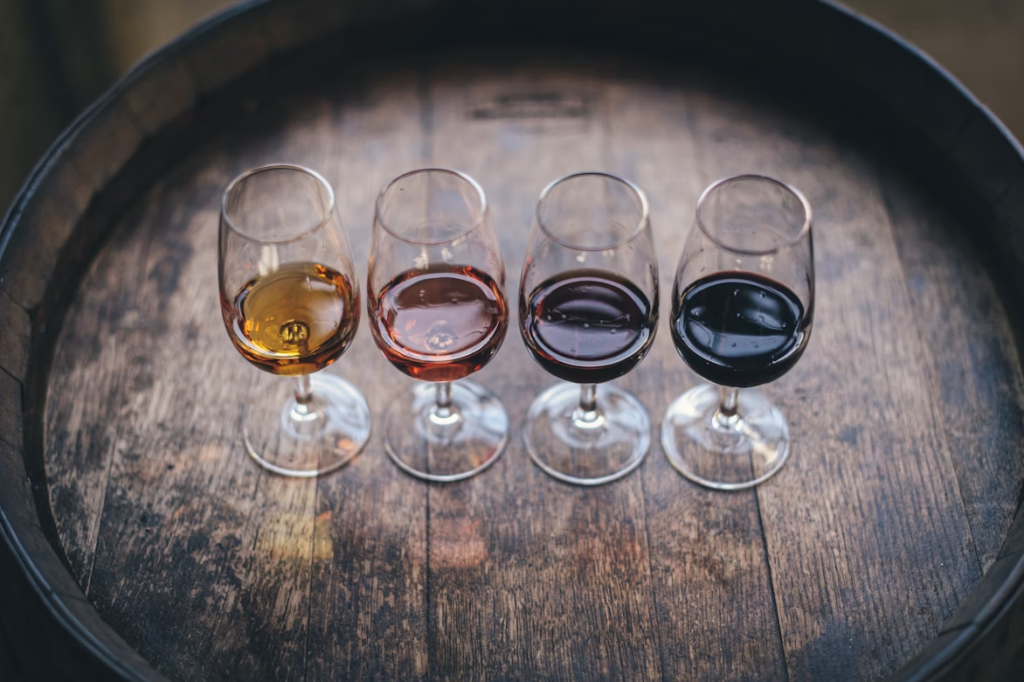
With the right preparation and planning, you can turn an ordinary evening into an extraordinary event. If you’re looking for inspiration or want to learn more about hosting wine events, Visit Website for additional ideas.
Setting the Scene for Your Wine Tasting Party
The atmosphere of your wine tasting party sets the tone for the entire event. A well-thought-out setting will ensure your guests are comfortable and excited to participate in the tasting experience.
1. Choose the Right Location
The first step in hosting a wine tasting party is selecting the perfect location. If you have outdoor space, consider hosting your event on a patio or balcony. Natural light and a relaxed atmosphere can help your guests enjoy the wines to their fullest.
Alternatively, if you’re hosting the party indoors, ensure you have enough space for all guests and that the room is well-lit but not too bright.
Key Considerations:
- Indoor vs. Outdoor: Outdoor settings provide fresh air and natural light, but indoor spaces can be climate-controlled, ensuring comfort throughout the event.
- Comfortable Seating: Ensure there’s enough comfortable seating for your guests. They may be standing or sitting for long periods, so provide chairs or stools.
2. Wine Tasting Essentials
Before you begin, make sure you have all the necessary supplies. These essentials will help create a seamless and enjoyable experience for your guests.
Items You’ll Need:
- Wine Glasses: Ensure each guest has a glass for tasting. Consider using stemless glasses for a casual event or elegant wine glasses for a more refined touch.
- Spittoons: Some guests may want to taste multiple wines without consuming too much alcohol, so provide spittoons for wine disposal.
- Water and Snacks: Water should always be available to cleanse the palate between tastings, and light snacks such as bread, crackers, or cheese help balance the wine.
- Tasting Sheets: Provide tasting sheets where guests can jot down their impressions of the wines, which can help guide conversations and help everyone keep track of their favourites.
Selecting the Wines
Choosing the right wines is one of the most important aspects of hosting a wine tasting party. You’ll want to have a variety of wines to allow your guests to sample different flavours and learn more about what they enjoy.
1. Choose a Theme for Your Tasting
To make the tasting more focused and engaging, consider choosing a theme for the event. Themes can be based on wine regions, grape varieties, or even specific types of wine (e.g., reds vs. whites). Here are some ideas for wine tasting themes:
Popular Wine Tasting Themes:
- Regional Tasting: Focus on wines from a particular country or region, such as Italy, France, or California.
- Varietal Tasting: Select wines made from a specific grape variety, such as Merlot, Pinot Noir, or Chardonnay.
- Vintage Tasting: Compare wines from the same region but from different years to explore how they evolve over time.
- Red vs. White: Have a fun comparison between red and white wines to see how they differ in taste, texture, and pairing possibilities.
2. Include a Range of Price Points
When selecting your wines, it’s a good idea to include a mix of high-end and more affordable options. This way, you can give your guests the opportunity to compare premium wines with more budget-friendly options and discuss what makes them different.
Budgeting Tips:
- High-End Wines: Choose a couple of bottles that are slightly more expensive to showcase the finer side of wine making.
- Affordable Wines: Include wines that are budget-friendly, allowing your guests to taste wines from a variety of price points.
3. Keep the Number of Wines Reasonable
While it’s tempting to offer a wide selection of wines, it’s best to limit the number to around 5-7 options. Too many wines can overwhelm guests and make the tasting experience less enjoyable. A moderate selection allows everyone to taste without feeling rushed or overindulging.
Setting Up the Tasting Stations
Organising the wines for the tasting is just as important as selecting them. A well-arranged tasting station ensures that everything flows smoothly, making the event easier to manage.
1. Arrange Wines in Order
The order in which the wines are served can affect the overall tasting experience. Serve lighter wines first, such as whites or rosés, before moving on to more full-bodied reds. This allows guests to appreciate the nuances of each wine without overwhelming their taste buds.
Suggested Tasting Order:
- Light whites (e.g., Sauvignon Blanc)
- Rich whites (e.g., Chardonnay)
- Rosé
- Light reds (e.g., Pinot Noir)
- Bold reds (e.g., Cabernet Sauvignon, Shiraz)
2. Use Tasting Cards
Each wine should be paired with a tasting card that includes basic information about the wine, such as the grape variety, region, and any tasting notes. You can also include suggestions for food pairings to enhance the experience.
These cards can be used as a guide for your guests, making the tasting feel more professional and educational.
Food Pairing Ideas for a Wine Tasting Party
Wine and food pairings can enhance the flavours of both. It’s important to provide snacks and food items that complement the wines, creating a more enjoyable experience for your guests.
1. Light Appetisers
Start the evening with light appetisers that won’t overpower the wine. Small bites like cheese platters, olives, crackers, and fresh fruit work well. You can also offer light dips like hummus or pesto to pair with the wine.
Cheese Pairings:
- Soft Cheeses: Brie, goat cheese, and Camembert pair well with crisp white wines like Chardonnay or Sauvignon Blanc.
- Hard Cheeses: Aged Cheddar or Gouda complements bold red wines like Cabernet Sauvignon or Shiraz.
2. Main Course Pairings
For a more substantial meal, consider offering simple dishes that pair well with wine. Roasted meats, grilled vegetables, and pasta dishes are all excellent options. Avoid overly heavy or spicy foods that might clash with the wines.
Wine Pairing Dishes:
- Grilled Meats: Serve red meats like steak or lamb with full-bodied reds like Cabernet Sauvignon or Malbec.
- Seafood: Light seafood dishes, such as grilled shrimp or oysters, go well with crisp white wines like Pinot Grigio or Albariño.
3. Dessert Pairings
Finish the evening with dessert and wine pairings. Sweet wines like Moscato or Port work well with rich desserts like chocolate cake, fruit tarts, or cheese boards with honey.
Sweet Wine Pairing Ideas:
- Chocolate: Pair dark chocolate with a sweet red wine like Port or a rich dessert wine like Sauternes.
- Fruit-based Desserts: Light fruit tarts or sorbets can be complemented by a sweet white wine like Riesling.
Engaging Your Guests During the Tasting
A wine tasting should be interactive and fun, allowing guests to learn about the wines and share their thoughts. Here are a few tips to keep the party lively and engaging.
1. Encourage Discussion
Invite guests to discuss the wines they are tasting. Encourage them to describe the flavours, aromas, and textures they are experiencing. This makes the event feel more like an educational experience and encourages social interaction.
2. Wine Tasting Games
Wine tasting games can add a fun twist to your event. Consider hosting a blind tasting competition, where guests try to guess the type of wine based on its taste and appearance.
Alternatively, you could hold a “wine and food pairing challenge,” where guests suggest wine pairings for various dishes.
Conclusion
Hosting a wine tasting party at home is an excellent way to bring people together and enjoy the world of wine. By choosing the right wines, creating a welcoming atmosphere, and offering complementary food pairings, you can ensure your guests have a memorable experience.
Whether you’re a wine novice or an experienced connoisseur, a well-executed wine tasting will provide fun and educational moments that everyone can enjoy.
Frequently Asked Questions
How many wines should I serve at a wine tasting party?
It’s ideal to serve 5-7 wines at a wine tasting party. This provides enough variety for your guests to enjoy without overwhelming them.
What food should I serve at a wine tasting party?
Start with light appetizers like cheese and crackers, then move on to more substantial dishes such as grilled meats or seafood. Finish with dessert and wine pairings for a complete experience.
How do I organise a wine tasting for beginners?
For beginners, choose wines from different regions or grape varieties to introduce a variety of flavours. Provide tasting cards and encourage guests to describe the wines they are sampling.