
The design and layout of your retail space can make or break the customer experience. When planning an effective retail store fitout, every decision counts, from the choice of materials to the arrangement of your store layout.
Essential elements of an effective retail store fitout go beyond aesthetics—they influence customer behaviour, enhance sales, and reinforce your brand’s identity. A well-executed fitout can attract customers, keep them engaged, and ultimately increase your sales.
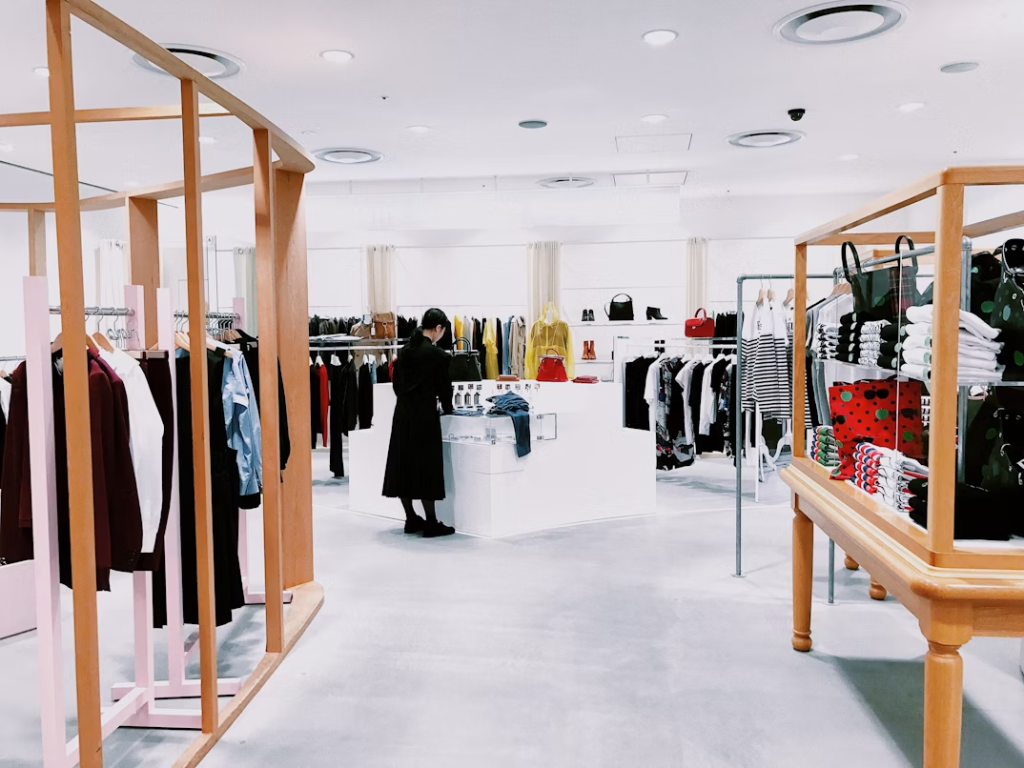
In this article, we will explore the key elements that make a retail store fitout effective and how to implement them in your store. If you want more information about how to design your retail space, click to read more.
What is a Retail Store Fitout?
A retail store fitout refers to the process of designing and constructing a store’s interior to make it functional, attractive, and aligned with the brand’s identity. It involves everything from the layout and furniture to the lighting, signage, and display fixtures.
A well-thought-out fitout enhances the customer experience, promotes your products, and boosts brand recognition.
Why an Effective Fitout Matters
- Customer experience: The store’s fitout sets the tone for the entire shopping experience. A clean, organised, and visually appealing environment encourages customers to spend more time in your store.
- Brand representation: The fitout is an extension of your brand’s identity. It provides a physical space to reflect your brand values, story, and image.
- Operational efficiency: A good fitout ensures that your store layout promotes an efficient workflow for both customers and staff.
Key Elements of an Effective Retail Store Fitout
Creating an effective store fitout requires careful planning and attention to detail. Below, we’ll explore the essential elements you need to consider when fitting out your retail store.
1. Store Layout
The Importance of Flow
- Customer journey: A well-designed layout guides customers through the store and encourages them to explore different sections. This increases engagement and the likelihood of making a purchase.
- Ease of navigation: Ensure customers can easily find their way around your store. Avoid cluttered aisles and ensure that product categories are clearly defined.
Layout Types
- Grid layout: The most common layout for stores, especially supermarkets and pharmacies. This type of layout uses parallel aisles to create a systematic flow of traffic.
- Loop layout: Customers move in a continuous loop around the store. This layout works well for creating an immersive shopping experience.
- Free-flow layout: This is an open layout with no set aisles, encouraging customers to explore freely. Ideal for fashion boutiques or high-end retail stores.
2. Lighting
Creating Ambience and Functionality
- Ambient lighting: General lighting that fills the entire store. Soft lighting creates a comfortable atmosphere, while brighter lights energise the space. Choose a lighting design that complements the style and feel of your store.
- Accent lighting: Highlight specific products or displays with accent lighting. It draws customers’ attention to key merchandise, such as new arrivals or high-margin items.
- Task lighting: This is necessary for specific areas such as checkouts or fitting rooms. Ensure that these areas are well-lit for customer convenience.
Practical Considerations
- Energy-efficient lighting: Opt for LED lighting to save on electricity costs and ensure long-lasting light. This also contributes to sustainability efforts.
- Natural light: Maximising natural light can make the space feel open and inviting. If possible, incorporate large windows or skylights into your design.
3. Colour Scheme
The Role of Colour in Customer Behaviour
- Colour psychology: Different colours evoke different emotions and can influence customer behaviour. For example, red can create urgency, while blue can foster trust and calmness. Green is associated with health, and yellow promotes optimism and attention.
- Brand consistency: Your store’s colours should reflect your brand identity. Ensure that the colours you use align with your brand’s personality and messaging.
Colour Placement
- Feature walls: Use bold, accent colours for feature walls to draw attention to specific areas of the store. These walls can be used to showcase seasonal products or promotional items.
- Neutral tones for balance: While accent colours are important, using neutral tones for walls and flooring helps create balance and avoids overwhelming customers.
4. Fixtures and Furniture
Functional and Aesthetic Fixtures
- Shelving and display units: Choose fixtures that match your store’s aesthetic while also being practical. Shelving units should be sturdy and flexible to accommodate different types of products.
- Product displays: Use creative and visually appealing displays to highlight products and create an interactive shopping experience. Display tables, hanging racks, and glass cabinets are all options.
Comfort and Convenience
- Seating areas: If your store is large or features high-end products, providing comfortable seating encourages customers to relax and spend more time browsing.
- Checkout counters: The design of your checkout counter should be efficient, streamlined, and accessible. Ensure it’s located in an area where customers can easily spot it as they finish shopping.
5. Signage and Branding
Clear and Effective Signage
- Directional signage: Use clear signs to guide customers to specific areas of your store, such as the fitting rooms, restrooms, or promotions. This improves customer experience by helping them navigate easily.
- Product labels and price tags: Ensure that your product displays include easy-to-read price tags and labels. This allows customers to make quicker purchasing decisions.
Reinforcing Your Brand
- Brand logos and graphics: Incorporate your logo and brand colours into the store’s signage, walls, and promotional material. Consistent branding helps customers connect with your store and creates a professional atmosphere.
- Storytelling through design: Use your store’s design to tell a story about your brand. Whether it’s a sleek modern style or a vintage-inspired theme, every design choice should reinforce your brand identity.
6. Customer Experience Enhancements
Creating an Inviting Atmosphere
- Music: Background music can set the tone for your store. Choose music that matches your store’s vibe—calm music for a high-end boutique, or upbeat tunes for a casual, energetic store.
- Scent: Scents play a crucial role in creating an inviting atmosphere. Subtle aromas can increase comfort and make the shopping experience more memorable.
Technology Integration
- Interactive displays: Touchscreens or interactive kiosks can provide product information, help customers navigate the store, or even allow them to check stock availability in real-time.
- Mobile apps: Consider integrating a store app to help customers with loyalty programs, discounts, and special offers. This enhances the convenience of shopping and keeps customers engaged.
7. Storage and Back-End Organisation
Maximising Storage Space
- Efficient back-end storage: Ensure that you have sufficient storage space for inventory and supplies. Well-organised storage areas make it easier for staff to restock shelves and manage the store efficiently.
- Hidden storage solutions: Use discreet storage solutions, such as under-shelf storage or hidden drawers, to keep the store tidy without compromising on aesthetics.
Managing Stock
- Inventory management: Implement an effective inventory management system to track stock levels and optimise product placement based on sales trends.
Tips for Maintaining an Effective Retail Store Fitout
A retail store fitout isn’t just about the initial design; it’s also about maintaining the space to ensure it stays appealing and functional.
1. Regular Updates
- Seasonal changes: Update your store design to reflect new seasons, holidays, or sales periods. Fresh displays and arrangements encourage customers to return and see what’s new.
- Product rotation: Regularly change the placement of your products to keep things fresh. Rotating stock ensures that customers are always exposed to different items.
2. Routine Maintenance
- Cleaning: Regularly clean your fixtures, shelves, and floors to keep the store looking tidy and well-maintained. A clean store reflects positively on your brand.
- Repairs: Address any damages or wear and tear promptly. Regular maintenance ensures the longevity of your store fitout and avoids disruptions to your business.
Conclusion
Essential elements of an effective retail store fitout are critical for enhancing the shopping experience and driving sales. A well-executed fitout combines elements such as layout, lighting, branding, and customer experience enhancements to create an inviting and functional space.
By investing in these core components, you can improve your store’s appeal, boost foot traffic, and ultimately increase revenue. Whether you’re designing a new store or refurbishing an existing one, a thoughtful fitout plays a key role in your retail success.
Frequently Asked Questions
What is the most important element of a retail store fitout?
The most important element of a retail store fitout is the layout. It affects customer flow, how easily customers can navigate the store, and where they are likely to make purchases. A well-planned layout increases foot traffic and sales.
How often should I update my store fitout?
It’s a good idea to update your store fitout every 1-2 years to reflect new trends, seasonal changes, or new product lines. Regular updates keep the store looking fresh and engaging.
Can I do a store fitout on a budget?
Yes, it’s possible to create an effective store fitout on a budget. Focus on key elements such as layout, signage, and lighting, and consider cost-effective materials for fixtures and furniture. Prioritise the customer experience without compromising on quality.