
Electrical hazards present a significant risk in both residential and industrial environments. Without the proper tools and precautions, these risks can lead to catastrophic failures, including fires, equipment damage, and even loss of life.
One of the most effective ways to identify potential electrical hazards early on is through thermal imaging. This technology allows for the non-invasive inspection of electrical systems, helping to detect faults and prevent disasters before they occur.
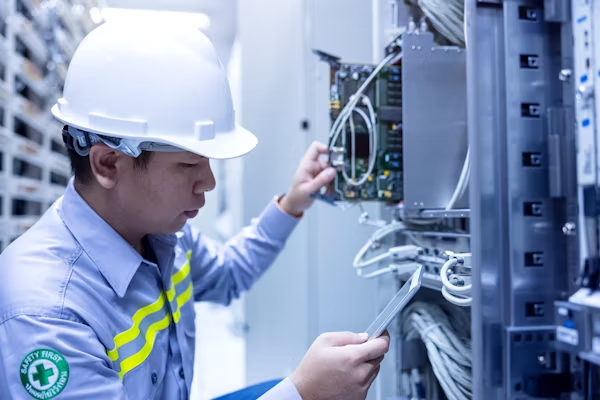
In this article, we will explore how thermal imaging plays a critical role in the early detection of electrical hazards, its benefits, and its applications in various sectors.
For more information on thermal imaging and its applications in electrical safety, visit our Web Site.
What is Thermal Imaging?
Thermal imaging refers to the process of capturing and visualising infrared radiation emitted from objects.
These infrared waves are invisible to the naked eye, but thermal cameras can detect them, allowing technicians to generate an image or “thermogram” that shows temperature variations across surfaces.
In electrical systems, thermal imaging can help identify hot spots, overloads, and other problems that may not be visible through traditional inspection methods.
How Does Thermal Imaging Work?
Thermal cameras use a special sensor to capture the heat emitted by an object. These sensors are sensitive to infrared radiation, which is emitted in different quantities depending on the object’s temperature.
The camera converts this data into a visual representation, with cooler areas appearing darker and warmer areas shown as brighter colours.
Thermal imaging can detect even small temperature differences, which is crucial in identifying problems such as:
- Overheated wiring
- Faulty circuit breakers
- Loose connections
- Electrical overloads
These issues can lead to severe damage or fire if not addressed in time. By detecting temperature anomalies, thermal imaging helps prevent potential risks before they escalate.
Why Is Thermal Imaging Important for Early Detection?
Electrical faults are often caused by components that wear out over time or suffer damage due to improper installation. These faults typically generate heat, which can be detected early through thermal imaging.
The importance of early detection lies in the ability to address these issues before they cause significant damage.
1. Identifying Hidden Problems
Some electrical faults may not be immediately visible to the naked eye. For instance, overloaded circuits or damaged cables can cause heating that may not show up until it leads to a failure.
Thermal imaging allows technicians to identify these hidden issues during routine inspections, potentially preventing costly repairs or replacements.
2. Minimising Downtime
In industrial settings, unplanned outages or equipment failures can result in costly downtime. Thermal imaging helps to detect problems before they cause a failure, reducing the likelihood of unplanned maintenance.
This proactive approach helps keep operations running smoothly and minimises disruptions to business.
3. Safety
One of the most significant advantages of thermal imaging is its ability to enhance safety. By identifying hot spots and faulty components, workers can intervene early and reduce the risk of electrical fires or electrical shock accidents. This is especially vital in environments where large electrical systems are in place.
Benefits of Thermal Imaging for Electrical Inspections
Using thermal imaging for electrical inspections offers a wide range of benefits that go beyond traditional inspection methods.
1. Non-Contact Inspection
Thermal imaging allows for non-contact inspections. This is particularly important in hazardous environments where physically touching components may be dangerous. Technicians can stand at a safe distance and monitor equipment in real time.
2. Quick Detection
Thermal cameras can detect temperature changes in real time, which makes it easier to pinpoint potential hazards without taking apart electrical systems. This speed reduces inspection time and enhances efficiency.
3. Increased Accuracy
Thermal imaging reduces the chances of overlooking faults that may be missed in a visual inspection. With the ability to detect even minor temperature variations, it provides a more accurate assessment of an electrical system’s health.
4. Cost-Effective
Regular use of thermal imaging in electrical systems helps prevent catastrophic failures, which can be costly to repair. Detecting problems early allows for timely maintenance and more affordable repairs before the issue escalates.
Applications of Thermal Imaging in Electrical Systems
Thermal imaging can be applied across various industries, from manufacturing plants to residential buildings, to improve the safety and reliability of electrical systems.
1. Industrial Electrical Inspections
In industrial environments, thermal imaging is used to inspect power distribution boards, transformers, circuit breakers, and other critical electrical infrastructure. By regularly monitoring these systems, companies can avoid unexpected downtime and costly repairs.
2. Building Maintenance
For property managers and electricians, thermal imaging helps identify potential hazards within electrical panels, wiring, and other building components. It is an essential tool for preventative maintenance, ensuring that electrical systems are operating safely and efficiently.
3. Preventative Maintenance
Thermal imaging is an excellent tool for scheduled preventative maintenance. Regular inspections using thermal cameras can help identify potential problems before they become severe, allowing businesses and homeowners to carry out repairs in a timely manner.
4. Fire Prevention
Overheated wires and faulty electrical components are often the root causes of fires in residential and commercial buildings. By using thermal imaging to monitor electrical systems regularly, potential fire risks can be detected and addressed before they result in disasters.
How to Use Thermal Imaging for Electrical Hazard Detection
Thermal imaging should be part of a comprehensive electrical safety programme. To maximise the effectiveness of this tool, consider the following steps:
1. Conduct Regular Inspections
Schedule thermal imaging inspections regularly, especially in high-risk environments like industrial plants or areas with ageing electrical systems. This will help identify any temperature anomalies before they escalate into a failure.
2. Focus on Key Areas
When conducting thermal inspections, focus on high-risk areas such as circuit breakers, transformers, and electrical connections. These are the components most likely to overheat or fail.
3. Interpret Results Accurately
Thermal imaging cameras provide valuable data, but it’s important to interpret the results correctly. Temperature readings that are outside normal ranges should be investigated further to determine the root cause of the anomaly.
4. Take Corrective Action
Once potential hazards are identified, take prompt corrective action. This may include tightening connections, replacing damaged components, or upgrading outdated systems.
Thermal Imaging Tools for Electrical Inspections
To carry out thermal imaging inspections, you’ll need the right tools. Various thermal cameras are available on the market, ranging from basic models to advanced, high-resolution devices. When selecting a thermal camera for electrical inspections, consider the following factors:
- Resolution: Higher resolution cameras provide more detailed images, making it easier to spot minor anomalies.
- Temperature Range: Ensure the camera can detect temperatures within the range needed for your specific application.
- User Interface: Choose a camera that is easy to operate, with features such as touchscreen controls and Wi-Fi connectivity for easy data sharing.
Conclusion
In conclusion, thermal imaging is a valuable tool for the early detection of electrical hazards. By identifying temperature anomalies in electrical systems, thermal imaging helps prevent potential failures, reducing the risk of fire and equipment damage.
This technology is essential for improving safety, reducing downtime, and lowering maintenance costs across various industries.
By integrating thermal imaging into regular electrical inspections, businesses and property owners can ensure the longevity and reliability of their electrical infrastructure.
Frequently Asked Questions
How does thermal imaging detect electrical faults?
Thermal imaging detects electrical faults by identifying temperature variations in electrical components. Overheated wires, loose connections, or overloaded circuits all generate excess heat, which is visible to thermal cameras.
Is thermal imaging safe to use?
Yes, thermal imaging is non-invasive and non-contact, making it a safe method for inspecting electrical systems. It allows technicians to identify potential hazards without needing to touch live equipment.
How often should thermal imaging inspections be performed?
The frequency of thermal imaging inspections depends on the type of electrical system and its environment. For high-risk or heavily used systems, inspections should be carried out quarterly or biannually. For residential settings, annual inspections may suffice.