
Boxing is a sport that offers numerous physical and mental benefits. Whether you’re aiming to improve your fitness, learn self-defence, or pursue a competitive path, starting with the right equipment is essential. This guide outlines the essential gear you’ll need to embark on your boxing journey.
If you’re ready to gear up and take that first swing, discover this and visit our website.
Understanding The Basics
Training Space
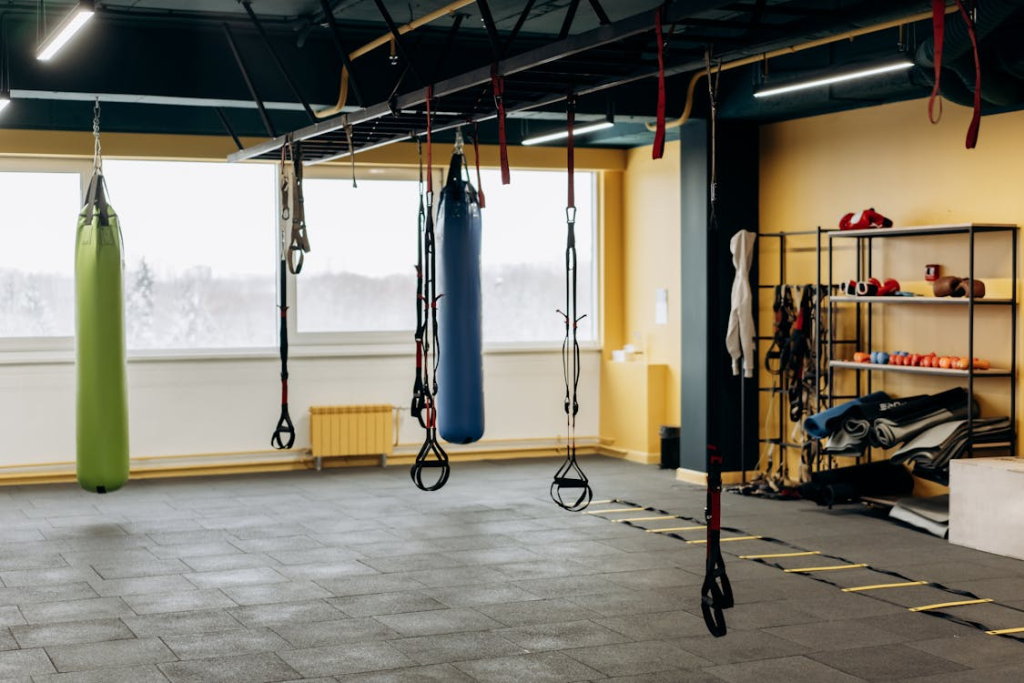
Before acquiring equipment, ensure you have a suitable space for training. A clear area of approximately 2 metres by 2 metres is sufficient for most boxing workouts. This space should allow for movement in all directions and accommodate equipment like a punching bag.
A stable surface and good lighting further enhance the training environment. An environment that motivates you plays a key role in consistency.
Hand Wraps
Hand wraps are crucial for protecting the small bones and tendons in your hands and wrists. They provide support and help prevent injuries during training. Proper wrapping ensures your hands are stabilised and reduces the risk of sprains or fractures. Wraps also absorb sweat, which helps prolong the life of your gloves.
Types of Hand Wraps:
- Traditional Cotton Wraps: Reusable and provide a snug fit.
- Elastic ‘Mexican’ Style Wraps: Offer a stretchable fit for added comfort.
- Quick Wraps: Easy to put on, suitable for beginners.
Boxing Gloves
Gloves protect your hands and your training partner during sparring. The type and weight of gloves depend on your training focus. Selecting the correct glove ensures comfort, support, and durability.
Glove Types:
- Bag Gloves: Designed for heavy bag training.
- Training Gloves: Versatile for various training activities.
- Sparring Gloves: Heavier gloves to ensure safety during sparring sessions.
Glove Weights:
- 12 oz: Suitable for pad work and light bag training.
- 14 oz: Ideal for general training.
- 16 oz: Recommended for sparring to ensure safety.
A good pair of gloves will have secure wrist support, proper padding, and breathable material. Be sure to try on different models to find a glove that fits your hand size and shape perfectly.
Punching Bag
A punching bag is essential for practising strikes and improving technique. It builds endurance and helps in developing striking power and timing. There are various types:
- Heavy Bag: Suitable for power punches and overall training.
- Speed Bag: Helps improve hand-eye coordination and speed.
- Double-End Bag: Enhances timing and accuracy.
Choose a bag that suits your training goals and available space. Wall mounts or free-standing bases offer flexibility for setup. A high-quality punching bag should be appropriately filled to provide realistic resistance and minimise joint strain.
Skipping Rope
Skipping is a fundamental exercise in boxing training. It improves cardiovascular fitness, footwork, and coordination. A simple, adjustable skipping rope is sufficient for beginners. Regular skipping builds rhythm and enhances agility. It also serves as an excellent warm-up to activate the whole body.
Protective Gear
Mouthguard
A mouthguard protects your teeth and jaw during sparring sessions. Custom-fitted mouthguards offer the best protection and comfort. Always use a mouthguard during contact training to avoid dental injuries. Many fighters also prefer boil-and-bite mouthguards for a tailored fit.
Headgear
Headgear reduces the risk of cuts and bruises during sparring. While it doesn’t prevent concussions, it adds a layer of protection. Select headgear that provides good visibility, sufficient padding, and a secure fit. It should cover your forehead, cheeks, and chin without obstructing vision.
Groin Protector
For male boxers, a groin protector is essential during sparring to prevent injuries from low blows. Ensure it fits comfortably and securely under your shorts. Some designs also provide hip and kidney protection.
Chest Guard (For Women)
Female boxers should consider a chest guard during sparring for added protection. It safeguards the upper torso and offers comfort without restricting movement. Sports bras with built-in protection are also an option.
Optional Equipment
Boxing Shoes
Boxing shoes offer ankle support and enable quick movements in the ring. They are lightweight and designed to enhance footwork. Invest in a pair that offers grip, flexibility, and breathability. Avoid standard runners, as they can limit mobility and increase the risk of injury.
Focus Mitts And Pads
If you have a training partner or coach, focus mitts and pads are helpful for practising combinations and improving accuracy. They help simulate real fight scenarios and enhance reaction time. Training with mittens also improves defensive skills and movement.
Speed Ladder And Agility Tools
These tools help in developing foot speed and agility, which are crucial for effective boxing. Incorporating them into workouts improves movement efficiency and coordination. Agility cones and hurdles can also be used for more dynamic drills.
Timer Or Stopwatch
Boxing workouts are typically done in rounds. A timer or stopwatch helps structure sessions and keep track of rest periods. Some apps and digital timers offer interval settings for convenience. Maintaining a consistent rhythm is crucial for effective conditioning.
Resistance Bands
Resistance bands are useful for strength training and warming up. They help build muscle endurance and improve punching power. Lightweight and portable, they are ideal for both home use and gym sessions.
Getting Started
When beginning your boxing journey, focus on acquiring the essential items first. Hand wraps, gloves, a punching bag, and a skipping rope are all you need to start training effectively. As your skills progress, gradually add protective gear and optional items to enhance your experience.
Seek guidance from trainers or boxing communities to get advice on quality brands and product fit. Comfort, protection, and practicality should guide your purchases. Avoid purchasing all gear at once; instead, build your kit step by step as your needs evolve.
Conclusion
Starting boxing doesn’t require a massive investment. With a basic setup that includes gloves, hand wraps, a punching bag, and a skipping rope, you can begin your training confidently.
Protective and optional gear can be added as needed to ensure safety and enhance your boxing sessions. With the right tools and approach, you’ll be better prepared to train smart and stay motivated.
Frequently Asked Questions
Can I Start Boxing At Home Without Joining A Gym?
Yes, you can start boxing at home with some essential gear like hand wraps, boxing gloves, a punching bag, and a skipping rope. Make sure you have a safe and clear space to train. As you progress, you can add more equipment and consider online tutorials or virtual coaching for guidance.
How Do I Choose The Right Boxing Gloves For A Beginner?
For beginners, 14 oz training gloves are a good all-around choice for bag work and light sparring. Look for gloves with solid wrist support, quality padding, and breathable material. Trying different brands to find the best fit and comfort is recommended before making a purchase.
Is It Necessary To Use Hand Wraps Every Time I Train?
Yes, using hand wraps every time you train is strongly recommended. They provide essential support to your wrists and knuckles, helping to prevent injuries. Wraps also absorb sweat, which keeps your gloves in better condition for longer.