
Drones have revolutionised the world of photography, offering photographers and videographers an entirely new perspective. However, while drones offer opportunities for capturing stunning aerial images and videos, they also raise several ethical concerns.
These concerns relate to privacy, safety, environmental impact, and the potential for misuse. In this article, we will examine the various ethical considerations that arise when using drones for photography and how to navigate them responsibly.
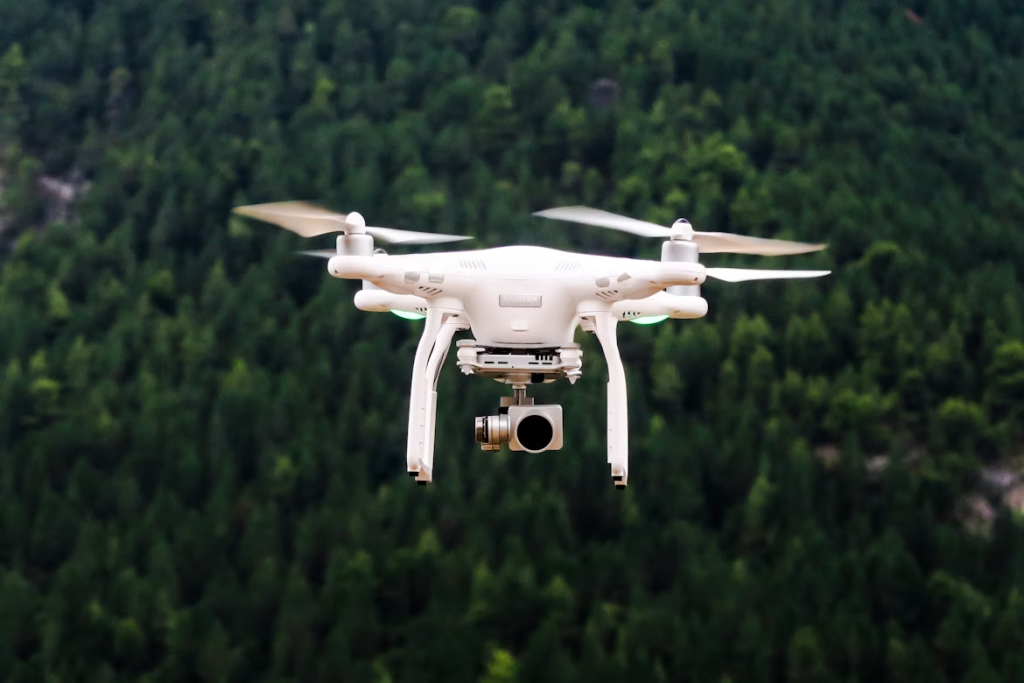
For more guidance on how to approach drone photography ethically, visit my website – Melbourne Eugene.
Privacy Concerns In Drone Photography
One of the most significant ethical issues surrounding drone photography is privacy. Drones can fly into private spaces, capturing images and videos without the consent of individuals. This raises several legal and ethical concerns.
Invasion Of Personal Privacy
Drones can inadvertently or intentionally capture footage of private properties, homes, and people without their knowledge. This could lead to violations of personal privacy, particularly if the drone is capturing intimate or sensitive moments without consent. For example, drones may fly over private properties, capturing individuals in their own homes or private gardens.
- Private Property: Using drones to photograph private property can be a violation of privacy rights, particularly if the photographer does not obtain the property owner’s consent.
- Sensitive Information: Drones might also inadvertently capture sensitive information, such as private conversations or personal interactions, which could compromise an individual’s privacy.
Respecting Consent
One of the most ethical ways to address privacy concerns is to always seek permission before flying a drone in an area where individuals’ privacy may be compromised. Drone photographers should be mindful not only of the legal boundaries but also of the ethical considerations involved in photographing or filming people without their knowledge or consent.
- Requesting Permission: Always ask for consent from property owners or individuals if you plan to fly your drone over or near private property.
- Public Spaces: While it is generally legal to fly drones in public spaces, ethical considerations should still guide photographers in terms of how their drones might impact people in those spaces.
Safety And Security Risks
Drones, like any other flying device, come with inherent risks. These risks can impact both the drone operator and the general public, making safety a key ethical consideration when using drones for photography.
Potential For Injury
While drones are generally safe to operate, accidents can occur. A malfunctioning drone or poor control could result in injury to people or property damage. The risk of injury increases when drones are flown in crowded areas or near people.
- Crowded Areas: Flying drones over crowds can be dangerous. A falling drone can cause significant harm to people in its path.
- Equipment Failure: Drones can malfunction or lose signal, potentially causing them to fall or crash. This can lead to injury or property damage, raising both legal and ethical concerns.
The Importance Of Safe Practices
To mitigate these risks, drone operators should always follow safety guidelines and protocols. This includes flying drones in safe, controlled environments, avoiding crowded spaces, and ensuring the drone is in good working condition before flight.
Drone pilots should undergo proper training to ensure they can control the drone effectively and reduce the risk of accidents.
- Pre-Flight Checks: Before operating a drone, always perform checks to ensure all systems are functioning properly, including batteries, propellers, and communication systems.
- Proper Training: Consider taking drone piloting courses to ensure a high level of competency and understanding of the equipment.
Environmental Impact Of Drone Photography
Another important ethical consideration when using drones for photography is their environmental impact. Drones, particularly those used for aerial photography, can have unintended environmental impacts.
Disturbing Wildlife
Drones can disturb wildlife, particularly in natural habitats or protected areas. The noise from drone propellers can cause stress to animals, disrupt their natural behaviours, or even cause them to flee from their habitat. In some cases, drones can even cause animals to abandon nests or breeding grounds, which can have serious consequences for species preservation.
- Wildlife Habitats: When photographing wildlife or natural environments, drone operators must be mindful of the impact their presence may have on animals.
- Protected Areas: Many protected areas, such as national parks or nature reserves, have specific rules regarding drone usage to ensure that wildlife and natural resources are not disturbed.
Preserving Nature
Drone photographers must always be conscious of the need to protect the environment. This includes respecting no-fly zones, avoiding disturbance to wildlife, and ensuring that drone flights do not harm fragile ecosystems. By following environmental guidelines and using drones responsibly, photographers can minimise their impact on the natural world.
- Stay Within Legal Boundaries: Always ensure that drone flights are conducted within designated airspace and abide by any restrictions in place to protect the environment.
- Respect Wildlife: Avoid flying drones too close to wildlife, particularly endangered species, and make efforts to reduce noise pollution in sensitive areas.
Legal And Regulatory Considerations
In addition to ethical issues, there are legal considerations that drone operators must take into account. Many countries and regions have established laws and regulations governing the use of drones, including restrictions on where and when they can be flown.
Understanding Local Drone Laws
Drone operators must familiarise themselves with the laws and regulations in their region. In many countries, flying drones in certain areas, such as near airports or government buildings, is prohibited. Additionally, certain airspaces are restricted due to safety or security concerns.
- Regulations by Region: Drone regulations can vary significantly from one region to another. Operators need to check local laws and adhere to any applicable restrictions.
- No-Fly Zones: Many countries have established no-fly zones for drones. These include areas around airports, government buildings, and military installations.
Registration And Licensing
In many countries, drone operators are required to register their drones with aviation authorities or obtain a pilot’s licence. This ensures that drone operators are accountable and have met the necessary safety and operational standards.
- Registering Your Drone: In some regions, drones over a certain weight must be registered with local aviation authorities.
- Obtaining a Licence: Drone operators may need to obtain a licence, particularly for commercial use. This helps ensure that the operator has received appropriate training and understands the relevant laws and safety measures.
Ethical Responsibility In Commercial Drone Photography
For those using drones for commercial purposes, the ethical considerations are even more pronounced. Commercial drone photographers often have clients who expect high-quality images and videos. However, they must balance the demands of the business with ethical responsibilities.
Transparent Practices
Commercial drone photographers should be transparent in their practices. This includes being honest about where they are flying, obtaining the necessary permissions, and respecting privacy. Transparency is crucial for maintaining trust with clients and the public.
- Clear Communication: Always communicate with clients about the potential risks and ethical considerations when using drones for photography.
- Avoiding Misrepresentation: Be cautious not to manipulate images or videos in a way that could mislead viewers about the location or subject matter.
Social Responsibility
Drone photographers, particularly those in commercial settings, have a responsibility to consider the social and cultural impact of their work. They should avoid exploiting sensitive topics, people, or environments for the sake of profit.
- Sensitive Content: Be mindful of how images or videos might affect the individuals or communities depicted, especially if the content could be deemed inappropriate or invasive.
- Community Impact: Consider the broader social and cultural context of your drone photography, especially when capturing images in culturally sensitive areas.
Conclusion
When using drones for photography, it is crucial to consider the ethical implications, particularly regarding privacy, safety, environmental impact, and compliance with legal regulations. By adhering to ethical guidelines, seeking consent where necessary, respecting wildlife and nature, and following all relevant laws, drone operators can ensure that their work remains responsible and respectful.
Ethical drone photography not only protects individuals and the environment but also upholds the integrity of the photography industry as a whole.
Frequently Asked Questions
Are Drones Allowed To Be Used For Photography In All Public Spaces?
While drones can generally be flown in public spaces, it is essential to follow local laws and regulations regarding the use of drones. Many areas have specific restrictions, such as no-fly zones around airports, government buildings, or private properties. Always ensure you have the necessary permissions and avoid infringing on others’ privacy when using drones for photography in public spaces.
What Should I Do If I Accidentally Capture Someone’s Private Property With My Drone?
If you inadvertently capture footage of someone’s private property, it’s important to respect their privacy and remove any images or videos that could cause distress. Always obtain consent before flying over private properties. If someone confronts you, be transparent about your intentions and offer to delete the footage. Being considerate and proactive can help prevent any legal or ethical issues.
How Can I Minimise The Environmental Impact Of Using Drones For Photography?
To minimise environmental impact, always follow established no-fly zones and avoid disturbing wildlife or natural habitats. Flying drones responsibly in sensitive areas, keeping noise levels low, and staying at a safe distance from animals can help protect ecosystems. Additionally, adhering to local environmental regulations ensures that your drone usage does not cause unnecessary harm to the environment.