
Planning a wedding can be an exciting yet overwhelming experience. With so many details to organise, it’s easy to feel lost in the process. Fortunately, using a wedding planner book can help simplify your wedding journey. Whether you’re a bride, groom, or anyone involved in the big day, a well-organised planner book can keep everything on track.
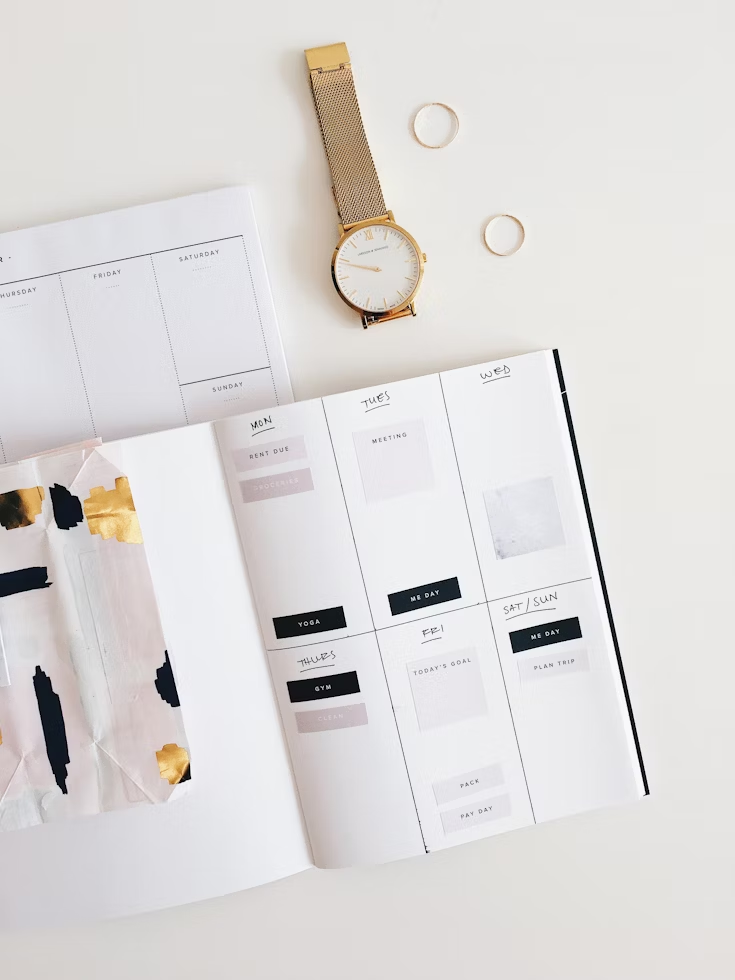
In this article, we’ll cover tips for using a wedding planner book, helping you stay calm and collected as you prepare for the celebration of a lifetime.
Check out this top article, and if you need further assistance, visit our website.
Why Use A Wedding Planner Book?
A wedding planner book is a valuable tool for keeping track of your wedding plans and details. It serves as a central place to record everything you need to remember, ensuring that nothing is forgotten. These books often include sections dedicated to various aspects of wedding planning, such as budgeting, guest lists, timelines, and vendor details.
Tip #1: Choose The Right Wedding Planner Book
Before you begin, it’s important to choose the wedding planner book that best suits your needs. There are many different types available, ranging from digital planners to traditional hardcover books. Here’s what to consider when making your choice:
Consider The Layout
Some planner books offer an organised, structured layout with specific sections for different aspects of wedding planning, while others provide more flexibility for creative input. Choose a book that matches your planning style. If you prefer a structured approach, look for one with dedicated sections for tasks, budgeting, and checklists.
Look For Space For Customisation
Many couples like to personalise their wedding planner books by adding photos, ideas, and notes. If this is something that appeals to you, find a book that allows plenty of space for customisation.
Consider Size And Portability
A wedding planner book can become bulky over time as you add notes, checklists, and ideas. Ensure it is portable enough to carry to meetings with vendors, family, and friends.
Tip #2: Set Clear Goals And Deadlines
A wedding planner book can help you create a detailed timeline for your wedding planning process. Setting clear goals and deadlines will help ensure that you stay on track and avoid leaving everything until the last minute.
Create A Wedding Planning Checklist
Start by outlining all the key tasks that need to be completed in the months leading up to your wedding. These might include:
- Booking the venue
- Finalising the guest list
- Choosing your wedding dress
- Sending invitations
- Ordering flowers and decorations
Once you’ve created your checklist, assign deadlines to each task. This will help you stay focused and prevent procrastination.
Stick To Your Timeline
When planning your wedding, time management is key. Use your planner to set specific deadlines for each task, ensuring that you complete them on time. Don’t leave anything too late, as unexpected delays can cause unnecessary stress.
Tip #3: Use The Budget Tracker Wisely
One of the most important aspects of wedding planning is sticking to your budget. A wedding planner book typically includes a budget tracker to help you manage your spending. This tool will ensure you don’t overspend and stay within your financial limits.
Allocate Funds For Each Category
Break down your wedding budget into categories, such as:
- Venue costs
- Catering
- Photography and videography
- Flowers and décor
- Entertainment
- Dresses and attire
Allocate a set amount of money to each category and track your expenses carefully to make sure you don’t exceed your limits.
Leave Room For Unexpected Costs
While it’s essential to stick to a budget, there may be unexpected costs along the way. Always allow a small portion of your budget for unforeseen expenses to avoid any financial stress closer to the wedding.
Tip #4: Keep Track Of Guest Lists And RSVPs
Managing the guest list and tracking RSVPs can be one of the most time-consuming tasks during the wedding planning process. A wedding planner book typically provides space to record guest details, dietary preferences, and RSVP responses.
Organise Guest Information
Create a guest list early on in the process. For each guest, include their name, contact information, and RSVP status. You can also track any special requests, such as meal preferences or allergies.
Monitor RSVPs
As guests begin to respond to your invitations, update the RSVP section of your planner. This will help you maintain an accurate count of attendees, which is essential for finalising the venue, catering, and seating arrangements.
Tip #5: Stay On Top Of Vendor Details
A wedding involves many vendors, including florists, photographers, caterers, and musicians. Keeping track of all vendor details in one place is a great way to stay organised.
Record Vendor Contact Information
Your planner book should have space to record the contact details for each vendor, along with their services, payment terms, and deadlines. This will ensure you have all the necessary information easily accessible.
Track Payments And Contracts
In addition to contact information, keep track of payments made to vendors. Record the amount, date, and due date for any remaining payments. Make sure you have a copy of all contracts and agreements in your planner.
Tip #6: Don’t Forget About The Wedding Day Timeline
A well-planned wedding day timeline is essential for ensuring everything runs smoothly on the big day. Your planner book can help you create a detailed timeline that outlines what needs to happen and when.
Plan Each Wedding Day Event
Break your day down into segments, including:
- The ceremony
- Cocktail hour
- Reception
- Cake cutting
- First dance
For each event, include a list of tasks that need to be completed, such as setting up decorations, arranging seating, and coordinating with the wedding party. This will help everyone involved stay on schedule.
Share The Timeline With Your Vendors And Wedding Party
Once your wedding day timeline is finalised, make sure to share it with all vendors and the members of your wedding party. This ensures that everyone is on the same page and knows where to be at all times.
Tip #7: Make It Fun!
Wedding planning doesn’t have to be stressful. It’s a time to celebrate your love and joy with family and friends. Use your wedding planner book as a way to express your creativity and make the process fun.
Add Personal Touches
Include pages for jotting down ideas, sketches, and inspirational images. Use your planner to track your vision for the wedding and keep your ideas organised. Whether it’s a colour scheme, venue design, or theme, having a dedicated space for these ideas can make the planning process more enjoyable.
Reflect And Celebrate Your Progress
As you cross tasks off your checklist and make decisions, take a moment to reflect on how much you’ve accomplished. Celebrate your progress, even if it’s a small milestone. This will help keep your energy and enthusiasm up as the big day approaches.
Conclusion
A wedding planner book is an essential tool for keeping your wedding plans organised and stress-free. By choosing the right planner, setting clear goals, tracking your budget, managing your guest list, keeping track of vendors, and staying on top of the wedding day timeline, you can ensure that your wedding planning process is efficient and enjoyable.
Use your planner to stay on track, reflect on your progress, and keep your creative ideas in one place as you prepare for the most important day of your life.
Frequently Asked Questions
Why Is It Important To Use A Wedding Planner Book?
A wedding planner book helps keep your wedding plans organised and ensures that nothing is overlooked. It provides a central place to track all details, from budgeting and guest lists to vendor contracts and timelines. By using a planner, you can stay focused, reduce stress, and track your progress as you plan for the big day.
How Do I Choose The Right Wedding Planner Book?
When selecting a wedding planner book, consider the layout and flexibility of the book. If you prefer a structured approach, choose a planner with dedicated sections for budgeting, checklists, and guest lists. If you enjoy adding personal touches, look for one that allows you to customise and add your ideas and notes. Size and portability are also important for carrying the book to meetings and events.
Can I Customise My Wedding Planner Book?
Yes, many wedding planner books offer space for customisation, allowing you to add personal notes, sketches, and inspiration. Some planners also provide pages for photos and mementoes, making it easy to reflect your unique wedding vision. Customising your planner makes the process more enjoyable and ensures that it reflects your style and ideas.