
Steel framing continues to grow in popularity across Australian housing developments, driven by the need for durable, long-lasting materials that reduce onsite delays and improve structural performance.
When it comes to custom steel framing solutions for residential builds, architects and builders are no longer limited to rigid templates. Instead, the focus has shifted toward tailored systems that match individual site demands and architectural layouts.
Although custom framing is typically associated with housing, similar precision and strength are now being applied across other sectors. This is especially true in the commercial space, where the application of commercial steel framing Melbourne services reflects a wider demand for engineered precision.
Whether working on a suburban home or a low-rise complex, structural steel continues to prove its value in both performance and flexibility.
Introduction to Steel Framing in Residential Construction
What Sets Custom Framing Apart
Unlike standard frame kits, custom steel framing allows each component to be designed for a specific build. This ensures walls, trusses, and supports align exactly with the building’s blueprint. It leads to fewer adjustments during construction and more predictable results for load performance and finishing work.
Suitability for Diverse Housing Types
Customised steel frames are suitable for detached homes, duplexes, townhouses, and multi-unit residential developments. They also support complex architecture involving open-plan living, raked ceilings, and non-standard roof pitches.
Advantages of Custom Steel Framing for Homes
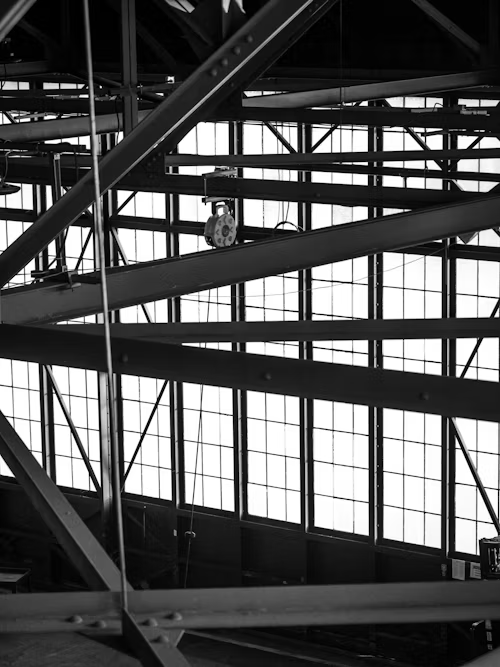
Strength and Stability
Steel provides consistent strength across each element, regardless of environmental exposure. Engineered components remain straight and true over time. This helps maintain structural alignment and minimises internal issues like cracked plaster or skewed door frames.
Fire Resistance and Safety
Steel does not burn, making it suitable for use in bushfire-prone areas. This is particularly relevant in Victoria and New South Wales, where many residential zones fall within high Bushfire Attack Level ratings. Engineering firms use compliant detailing to meet the required safety measures for each BAL zone.
No Warping, Shrinking, or Termites
Unlike timber, steel does not react to moisture changes. It won’t twist, bow, or expand due to humidity. Homes built with steel framing also eliminate the need for chemical treatments to protect against termites, which is important for health-conscious households.
The Engineering Process for Custom Steel Frames
Site Analysis and Initial Brief
Each custom steel frame starts with a detailed analysis of the building site. Soil type, slope, local wind ratings, and access limitations all influence how the frame is designed. Engineering teams work closely with architects or draftspeople to translate the site data into practical framing solutions.
Load Path and Structural Design
Engineers calculate how loads transfer through the frame to the foundation. Using this data, they design beams, columns, studs, and trusses to meet structural and safety requirements. Software modelling is used to validate each connection point and ensure full load path continuity.
Integration with Services and Finishes
Frames are designed with pre-punched holes and service routes. This simplifies installation for electricians, plumbers, and HVAC contractors. Custom spacing ensures that plasterboards, cladding, and roofing materials align perfectly with the frame.
Manufacturing and Delivery
Fabrication of Custom Components
Once the design is finalised, the steel sections are fabricated at an offsite facility. Each piece is produced to exact length and hole patterns using roll-forming machines and CNC tools. Items are labelled and packaged according to the installation sequence.
Delivery to Site and Assembly
Steel frames are delivered flat-packed, which makes transport easier even for difficult or remote sites. Because components arrive cut and labelled, builders can erect the frame without site-based cutting or adjustments. Installation follows the engineered layout and connection schedule.
Key Considerations for Australian Homes
Bushfire Compliance and Steel Framing
Steel framing is well-suited for areas with high BAL ratings. Engineers design and specify framing systems that meet each level of bushfire compliance. This includes fire-rated external linings, ember protection detailing, and compliant roof designs.
Climate Adaptability
Australian homes face harsh UV, strong winds, and seasonal changes. Custom steel frames offer consistent performance across different conditions. Coastal homes benefit from corrosion-resistant coatings and enclosed cavity detailing to manage moisture and air circulation.
Design Flexibility
With steel, large open spans can be achieved without internal support walls. This supports modern architectural designs that prioritise open-plan layouts, floor-to-ceiling windows, and flexible interior spaces.
Installation and On-Site Workflow
Reduced Build Time
Because components are manufactured offsite, builders spend less time on preparation. Wall frames, floor trusses, and roof sections are installed in sequence. This streamlined process reduces time and lowers the risk of weather-related delays.
Safe and Clean Worksite
Steel framing does not require saws or heavy cutting equipment during installation. This keeps work areas cleaner and reduces the chance of onsite errors. Workers can safely assemble components using basic fastening tools.
Minimal Waste
Steel frames are measured, cut, and punched with high accuracy before arriving on-site. This process eliminates most material wastage, which helps meet sustainability targets and keeps disposal costs low.
Comparison with Traditional Timber Framing
Lifespan and Maintenance
While timber framing is still common, steel offers a longer lifespan with minimal maintenance. Steel does not absorb water or attract pests, so it retains its strength without the need for treatments, sealing, or inspections.
Consistency in Construction
Timber can vary in quality, depending on moisture content and timber grading. Steel is produced in controlled conditions, resulting in consistent strength and predictable installation behaviour. This helps reduce rework during construction.
Cost Factors
Steel framing may have a slightly higher material cost in some regions. However, this is often offset by faster installation times, fewer call-backs, and reduced need for repairs over the building’s lifespan.
Applications Beyond Single-Family Homes
Duplexes and Townhouses
Custom steel frames are ideal for dual-occupancy builds, where space and fire separation are critical. Wall systems can be designed with acoustic insulation and fire-rated linings to meet inter-tenancy codes.
Second Storey Additions
Steel frames are often used when adding another level to an existing home. Their light weight puts less pressure on existing footings. Engineers assess the load limits and provide custom connections that match the original structure.
Sloping and Irregular Blocks
For steep or difficult blocks, steel framing allows better site management. Raised floor systems and adjustable supports make it easier to level structures and minimise excavation costs.
Frequently Asked Questions
Can steel framing be used on heritage or custom homes?
Yes, custom steel frames can be tailored to match heritage facades or complex architecture. Engineers and designers work together to match design features while meeting current structural and safety codes.
How does steel framing affect energy efficiency?
Steel frames can be paired with thermal breaks, insulation systems, and cavity detailing to meet or exceed energy rating targets. Properly engineered homes perform as well as timber-framed homes when insulated and sealed correctly.
Is custom steel framing more difficult to modify later?
Minor changes can be made to steel frames post-installation, but significant alterations may require re-engineering. Planning ahead during the design stage ensures that future expansion or changes can be accommodated.
Conclusion
The use of custom steel framing solutions for residential builds has shifted from a specialised method to a mainstream approach in modern construction. Builders and developers across Australia are choosing steel for its precision, strength, and long-term benefits.
From single homes to multi-unit projects, the ability to design each frame to suit the layout, site, and environmental conditions ensures a better fit for both performance and budget.
With bushfire risks, climate variation, and rising construction demands, steel framing offers a proven solution that meets the technical and practical needs of today’s housing market. When properly engineered and installed, it delivers lasting results and supports the architectural freedom needed for truly modern residential spaces.