
Music is more than an individual pursuit. While solo practice helps refine skill and build discipline, music education provides a social framework that supports deeper connections. Whether you’re studying theory, participating in an ensemble, or attending a workshop, each experience introduces opportunities to engage with fellow musicians.
From beginners discovering the different types of instruments to advanced players collaborating in bands, learning music in a structured setting fosters communication, cooperation, and shared growth.
How music education helps you connect with other musicians and peers becomes clear when you see how it builds community through shared goals, creative expression, and mutual support.
Creating a Shared Language
Developing Common Musical Vocabulary
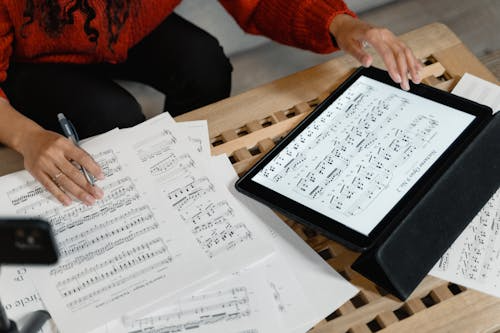
How music education helps you connect with other musicians and peers begins with building a shared vocabulary. Learning music theory, rhythm, and notation gives students the tools to communicate across genres, instruments, and backgrounds.
Whether you’re playing guitar in a rock band or violin in a string quartet, knowing terms like tempo, key, and harmony helps you interact more easily with other musicians. This language bridges gaps between individuals and strengthens collaboration.
Making Rehearsals More Efficient
In group settings, rehearsals flow more smoothly when everyone understands basic concepts. A music student trained in ensemble work will know how to follow a conductor, count rests, and adjust timing to stay in sync with others.
This clarity helps reduce frustration and builds respect among peers. Communication improves, and rehearsals become more productive and enjoyable.
Encouraging Collaboration Through Group Activities
Participating in Ensembles and Bands
One of the most powerful ways music education connects people is through ensemble performance. Whether it’s a school band, community orchestra, choir, or jazz combo, working with others to perform music teaches cooperation.
Each member contributes to the group sound. Students learn how their part fits into the whole, when to lead, and when to support. This shared responsibility builds trust and encourages teamwork.
Learning to Listen Actively
Playing or singing in a group requires listening — not just to yourself, but to those around you. Students develop an awareness of volume, timing, and blend.
This kind of active listening sharpens communication skills and promotes empathy. Musicians learn to adapt in real time, respond to cues, and adjust their playing to fit the group. These skills are useful beyond music, improving how people interact in teams and social settings.
Sharing Goals and Celebrating Milestones
Working Toward Common Objectives
How music education helps you connect with other musicians and peers is also seen in shared goals. Preparing for a concert, exam, or recording project creates unity. Everyone works towards a common target, facing similar challenges along the way.
This shared experience creates bonds. Students encourage each other during tough practice sessions and celebrate each other’s growth. Success feels more meaningful when it’s shared with a group that understands the effort involved.
Recognising Achievements Together
Performing on stage, completing a piece, or improving technique is more rewarding when acknowledged by peers. Music education provides structured moments — like recitals or assessments — where progress is recognised publicly.
These moments create a sense of belonging. Whether you’re clapping for a classmate or receiving feedback after your solo, you’re part of a supportive community that values effort and growth.
Exchanging Ideas and Broadening Musical Horizons
Learning About Different Styles and Techniques
Music education exposes students to a variety of genres and methods. Through ensemble rehearsals, classes, and workshops, students meet peers who bring different influences and perspectives.
Sharing ideas introduces new ways to think about music. A classical pianist may learn something from a jazz saxophonist. A rock drummer might discover the intricacy of Latin rhythms. This cross-pollination of styles keeps learning fresh and encourages creativity.
Exploring the Different Types of Instruments
Class settings often include students learning a wide range of instruments. From strings to brass, percussion to woodwind, being around others provides a broader understanding of sound, technique, and role.
Asking a peer how their instrument works, or watching someone master a technique you’ve never seen, builds mutual respect. Understanding the different types of instruments deepens your awareness of music as a collaborative art.
Building Lifelong Friendships and Networks
Forming Social Bonds Through Music
Music students often spend hours together — in lessons, rehearsals, and performances. These shared experiences create strong friendships. Working through challenges, overcoming stage fright, or simply laughing during warm-ups builds trust and connection.
These relationships can last well beyond school years. Many professional musicians and educators trace their closest friendships back to early music education programs.
Creating Future Opportunities
Connections formed through music education often lead to future opportunities. Whether it’s a band invitation, teaching recommendation, or a studio session, many careers are shaped by the networks built early on.
Knowing how to collaborate, communicate, and show reliability in group settings makes you a valued peer. This reputation follows you as you grow in your musical journey.
Supporting Emotional Growth and Wellbeing
Feeling Accepted and Understood
Music provides a safe space for self-expression. In a group of learners who share your passion, you’re more likely to feel understood and accepted. Whether you’re outgoing or reserved, music education offers ways to connect through shared creation rather than words.
This sense of belonging supports mental wellbeing. Students are less isolated, more confident, and more willing to take risks in both music and personal development.
Learning to Support Others
As students grow, they begin to mentor newer members of their group. Teaching someone how to tune their instrument or helping them understand a rhythm builds leadership and kindness.
Music education encourages students to support, not compete. This culture of encouragement reinforces healthy relationships and strengthens community ties.
Adapting to Group Challenges and Successes
Solving Problems as a Team
How music education helps you connect with other musicians and peers also appears in how students handle difficulties. Timing issues, disagreements over interpretation, or technical challenges often arise.
Working through these issues together teaches compromise, patience, and clear communication. These are skills that benefit friendships, work environments, and family life.
Sharing Joy in Group Success
When a performance goes well, there’s a shared sense of pride. Each student knows their part contributed to the outcome. These collective highs build positive memories and deepen connections between group members.
These moments remind students why they started learning music — not just for technical mastery, but for shared human experience.
Frequently Asked Questions
Can introverted students still benefit socially from music education?
Yes. Music offers a form of connection that doesn’t rely on being loud or outgoing. Many introverted students find comfort in expressing themselves through music and connect with peers through shared effort and understanding.
How does group learning compare to solo lessons?
Solo lessons focus on technique and personal goals, but group learning introduces teamwork, listening, and social growth. Combining both gives a well-rounded experience that develops musical and interpersonal skills.
Do online music classes still build connection between students?
They can, especially when they include group calls, collaboration tools, or video sharing. While in-person learning provides more spontaneous connection, online environments still support community if structured well.
Conclusion
How music education helps you connect with other musicians and peers is clear through every stage of learning. From shared practice to group performance, every element supports communication, empathy, and collaboration.
Music connects people across skill levels, backgrounds, and styles. Whether you’re discovering the different types of instruments, working through a duet, or sharing the stage with classmates, music becomes the common ground that brings people together.
For students and learners of all ages, music education creates more than musicians. It creates listeners, collaborators, friends, and mentors. These relationships, formed through shared sound and effort, can last a lifetime and shape not just musical growth, but personal development as well.