
Homeownership can offer more than just a place to live – it can be a financial asset. One of the most valuable features of owning a home is the equity you build over time.
Equity is the difference between the market value of your home and the outstanding balance on your mortgage. If you have built up enough equity, you can use it for renovations or investments, helping you increase the value of your property or create passive income streams.
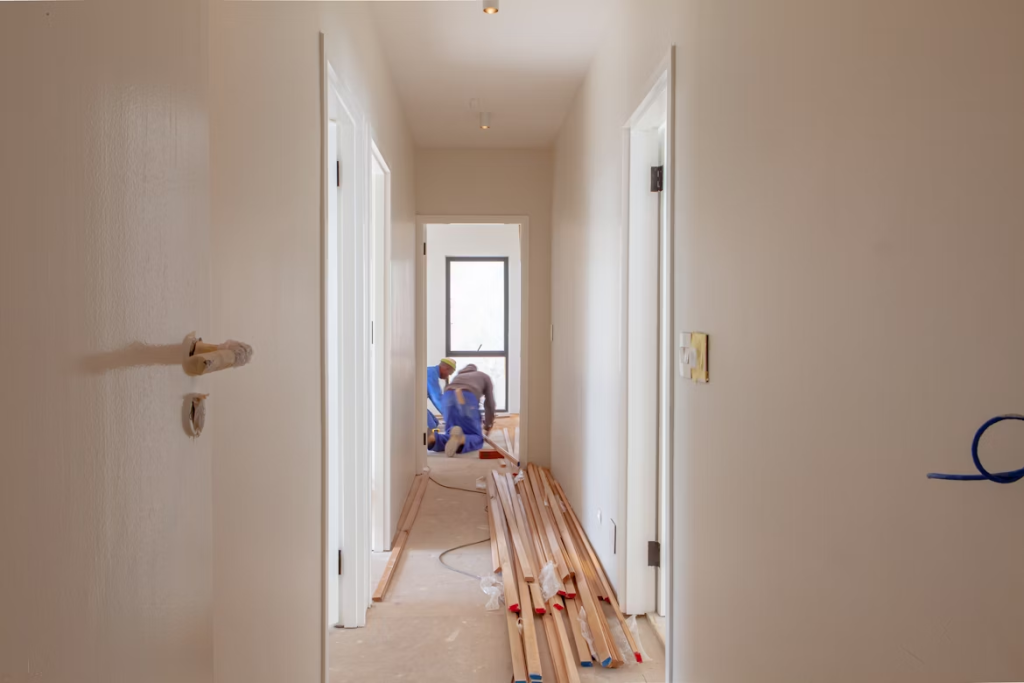
Whether you’re deciding between apartment vs house or planning to improve your existing property, using your home’s equity can be an effective strategy. This article will guide you on how to use equity in your home for renovations or investments.
Understanding Home Equity
Before deciding how to use your equity, it’s important to understand how it works and how much you have. Home equity can be a powerful tool, but knowing its value is key.
How Home Equity is Calculated
Home equity is calculated by subtracting your current mortgage balance from the market value of your home. For example, if your home is worth $500,000 and you owe $300,000, your equity is $200,000.
Market Value
The current value of your home, determined by appraisals or recent sales in your area.
Mortgage Balance
The amount you owe to the lender, including the principal and any interest.
Building equity takes time as you pay down your mortgage and as your property appreciates in value. However, once you’ve built a reasonable amount of equity, you can start considering how to use it for your financial goals.
Factors that Affect Home Equity
Several factors can influence how quickly your equity grows, including:
Home appreciation
If your property’s market value increases, your equity grows.
Mortgage repayments
Paying down your mortgage reduces the amount you owe and increases your equity.
Home improvements
Renovating your home can increase its value and, in turn, increase your equity.
How to Access Equity in Your Home
Once you have sufficient equity, there are various ways to access it. You’ll need to determine the best method based on your financial goals and the amount of equity available.
Home Equity Loan
A home equity loan is a second mortgage that allows you to borrow a lump sum using your home’s equity as collateral. These loans typically have fixed interest rates, which means your repayments will be predictable.
Advantages
Fixed repayment terms and low interest rates compared to personal loans or credit cards.
Considerations
The loan is secured against your property, so failure to make repayments could result in losing your home.
Home Equity Line of Credit (HELOC)
A HELOC functions like a credit card, allowing you to borrow and repay funds as needed, up to a pre-approved limit. The interest rate is usually variable, and you can access the funds multiple times during the draw period.
Advantages
Flexibility to borrow as needed and lower interest rates than unsecured credit.
Considerations
Because it’s a line of credit, your repayments can fluctuate depending on the amount you borrow.
Cash-Out Refinance
A cash-out refinance involves replacing your existing mortgage with a new loan that is larger than the original one. The difference between the old loan and the new one is given to you as a lump sum, which you can use for renovations or investments.
Advantages
You may be able to get a lower interest rate and borrow a larger amount.
Considerations
This method resets the loan term, which can extend the length of time it takes to pay off your mortgage.
Using Equity for Home Renovations
Home renovations are a popular way to use home equity, as they can directly increase the value of your property. Whether you’re renovating your kitchen, adding an extension, or updating the bathroom, tapping into your equity for home improvements can be a smart investment.
Types of Renovations to Consider
Renovations can improve both the functionality and aesthetic of your home, adding value in the process. Some renovations are more likely to increase your home’s value than others.
Kitchen Remodels
A modern kitchen can greatly enhance your home’s appeal and return on investment (ROI).
Bathroom Renovations
Updating bathrooms is another way to boost home value and create a more pleasant living space.
Adding Living Space
Converting unused spaces (such as basements or attics) into functional rooms can increase the market value of your home.
How Home Equity Can Help Fund Renovations
Using your home equity to fund renovations can be beneficial because the amount you borrow is secured against the value of your property, often resulting in lower interest rates than unsecured loans.
By making improvements, you increase the overall value of your home, potentially giving you more equity in the future.
Increase Property Value
Renovations can significantly raise the value of your property, which may help you build even more equity in the long term.
Tax Deductions
In some cases, the interest on a home equity loan for home improvements may be tax-deductible, depending on your country’s tax laws.
Using Equity for Investment Opportunities
In addition to home improvements, you can also use equity for investment purposes. If you’re looking to generate passive income or grow your wealth, using your home’s equity to invest in other properties or financial opportunities can be a good strategy.
Investing in Property
One of the most common uses of home equity is investing in real estate. Whether you purchase a second home, an investment property, or land for development, using equity for property investment allows you to expand your wealth and potentially earn rental income.
Buy-to-Let Properties
If you invest in rental properties, you can use the income generated to pay down your mortgage or fund additional investments.
Capital Growth
Real estate tends to appreciate over time, and by leveraging your equity, you can profit from the increased value of investment properties.
Diversifying Your Investment Portfolio
If you’re not interested in property investment, you can use your home equity for other types of investments, such as shares, bonds, or business ventures. This allows you to diversify your portfolio and reduce reliance on your property as your sole financial asset.
Stock Market Investments
Home equity can be used to buy stocks, bonds, or other investment vehicles with higher returns than traditional savings accounts.
Business Ventures
If you have a business idea or want to expand an existing business, using equity can provide the capital needed for growth.
Risks of Using Equity
While using your home equity can offer many benefits, it’s essential to be aware of the risks involved. Borrowing against your home puts your property at risk if you’re unable to repay the loan.
Overborrowing
One of the main risks of using home equity is borrowing more than you can comfortably repay. Overborrowing can place significant financial pressure on you, especially if your financial situation changes unexpectedly.
Property Market Fluctuations
If the property market declines, the value of your home may decrease, potentially leaving you with negative equity, where you owe more on your loan than the property is worth. This could lead to financial strain if you need to sell or refinance.
Interest Rates
If you choose a variable interest rate loan (like a HELOC), fluctuations in interest rates could increase your monthly repayments, making it harder to manage your finances.
Conclusion
Using equity in your home for renovations or investments can be a smart financial move, provided you approach it carefully.
Whether you’re looking to improve your living space or invest in property and other financial opportunities, home equity can provide the capital needed to achieve your goals.
However, it’s essential to weigh the potential risks and ensure that you don’t overextend yourself financially. Always consult with a financial advisor or mortgage broker to ensure that using your home equity aligns with your long-term financial goals.
Frequently Asked Questions
How much equity do I need to use for renovations or investments?
Typically, you need at least 20% equity in your home to access a home equity loan or line of credit. However, some lenders may allow you to borrow more or less depending on your financial situation and the value of your property.
Is using home equity for renovations a good investment?
Yes, using home equity for renovations can increase the value of your property, leading to more equity in the future. However, it’s essential to ensure the renovations are in line with market trends and will increase the value of your home sufficiently to justify the cost.
Can I use home equity for investments other than real estate?
Yes, you can use home equity for a wide range of investments, including stocks, bonds, or even starting a business. The key is to carefully assess the potential risks and rewards of each investment option before borrowing against your home.