
When it comes to replacing missing teeth, two of the most common options are dental implants and dentures. Both solutions offer significant benefits, but they come with distinct differences that could affect your comfort, appearance, and overall oral health.
This article will compare dental implants vs. dentures to help you determine which option is right for you, depending on your personal needs and circumstances.
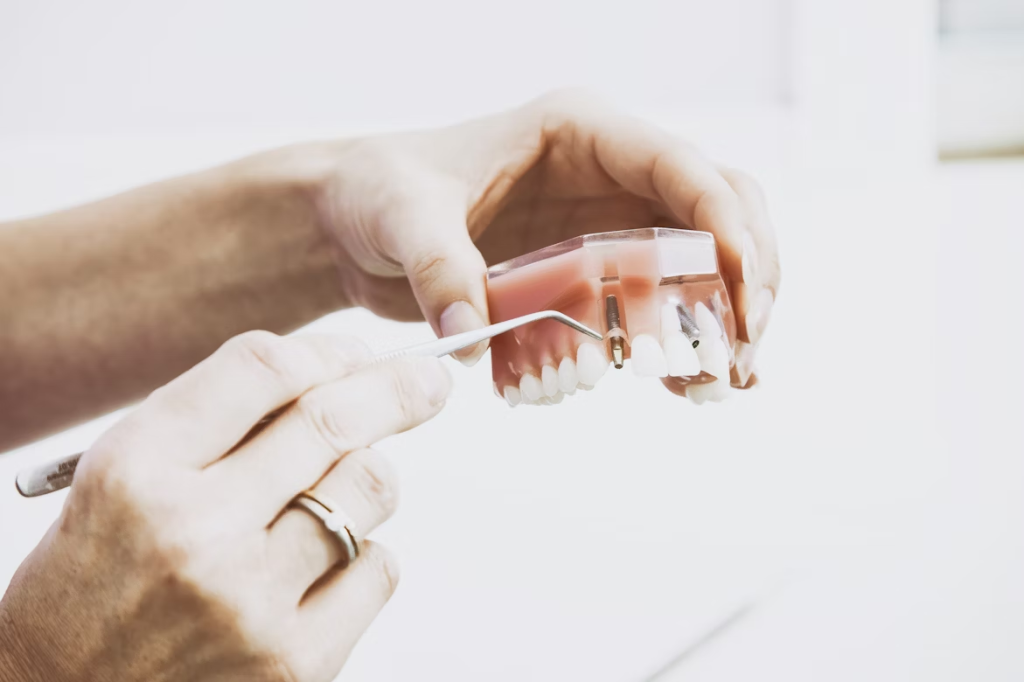
If you’re also interested in enhancing your smile, you might want to look into teeth whitening in Elwood for an extra boost in confidence.
Additionally, if you’re looking to maintain your smile, you can also check out teeth whitening services in Elwood for an extra boost.
What Are Dental Implants?
Definition and Overview
Dental implants are artificial tooth roots that are surgically placed into the jawbone to support replacement teeth or bridges. Implants are made of biocompatible materials such as titanium, which allows them to fuse with the bone in a process known as osseointegration. Once the implant has fully integrated with the bone, a crown or bridge is placed on top to restore the natural appearance and function of the missing tooth.
Benefits of Dental Implants
- Permanent Solution: Dental implants are a long-term option that, when cared for properly, can last a lifetime.
- Improved Comfort: Unlike dentures, which can slip or move around, implants are securely anchored in the jawbone, offering greater stability and comfort.
- Bone Health: Because dental implants stimulate the jawbone, they help maintain its structure and prevent bone loss, which can occur with missing teeth.
- Natural Appearance: Implants look and feel like real teeth, providing a natural and aesthetically pleasing result.
- Enhanced Functionality: Dental implants allow you to eat, speak, and smile with confidence, as they restore the full function of your teeth.
Drawbacks of Dental Implants
- Surgical Procedure: The implantation process requires surgery, which can be a concern for some patients.
- Longer Treatment Time: The entire process, from implant placement to the final crown fitting, can take several months.
- Cost: Dental implants tend to be more expensive than dentures, particularly when factoring in the surgery and additional procedures.
What Are Dentures?
Definition and Overview
Dentures are removable prosthetic devices that replace missing teeth. They can be either full or partial, depending on the number of missing teeth. Full dentures replace all teeth in the upper or lower jaw, while partial dentures replace a few missing teeth and are supported by existing teeth. Dentures are typically made from acrylic or a combination of acrylic and metal.
Benefits of Dentures
- Affordable: Dentures are generally less expensive than dental implants, making them a more budget-friendly option.
- Non-Surgical: Unlike dental implants, dentures do not require surgery, making them a less invasive option for replacing missing teeth.
- Quick Solution: Dentures can be fitted much more quickly than dental implants, providing a faster solution to missing teeth.
- Easy to Replace: If dentures become damaged or worn out, they can be easily replaced without the need for surgery or long recovery times.
Drawbacks of Dentures
- Less Stability: Dentures can move around in the mouth, especially when eating or speaking. This can cause discomfort and inconvenience.
- Bone Loss: Dentures do not provide the same level of support for the jawbone as dental implants. Over time, bone loss may occur, which can affect the fit and comfort of the dentures.
- Maintenance: Dentures require regular cleaning and maintenance to ensure they remain in good condition. Additionally, they may need to be relined or adjusted periodically.
Key Differences Between Dental Implants and Dentures
1. Cost Comparison
- Dental Implants: Dental implants are generally more expensive upfront due to the surgical procedure involved and the materials used.
- Dentures: Dentures are more affordable and can be a better choice for those on a tighter budget.
2. Longevity
- Dental Implants: Implants offer a permanent solution and, with proper care, can last a lifetime.
- Dentures: Dentures, on the other hand, are not permanent and may need to be replaced every 5-10 years due to wear and tear.
3. Comfort and Stability
- Dental Implants: Implants are fixed securely in place, providing superior comfort and stability.
- Dentures: Dentures are removable and can shift or become uncomfortable over time, especially when chewing or speaking.
4. Appearance
- Dental Implants: Implants look and function like natural teeth, offering a more seamless and natural appearance.
- Dentures: While modern dentures can look realistic, they may not be as natural in appearance as implants.
5. Maintenance
- Dental Implants: Implants require regular dental check-ups, but the maintenance is generally minimal—just brushing and flossing like natural teeth.
- Dentures: Dentures require more maintenance, including cleaning and regular adjustments, and they need to be removed at night.
Which Option Is Right for You?
Choosing between dental implants and dentures depends on various factors, including your budget, dental health, and personal preferences. Here’s a breakdown of which option might suit you best:
If You Value Durability and a Permanent Solution
Dental implants are ideal if you want a permanent solution that mimics the look and function of natural teeth. They are the best choice for those who want to avoid the hassle of taking out their prosthetics every night and prefer a stable, long-lasting option.
If You’re on a Budget
If you’re looking for a more affordable option, dentures are a great choice. While they may not offer the same level of stability and longevity as implants, they are a reliable and cost-effective solution for replacing missing teeth.
If You Have Jawbone Issues
Dental implants require sufficient healthy jawbone for proper placement. If you have experienced significant bone loss, dentures may be a better option, as they do not rely on the condition of the jawbone in the same way implants do.
If You Need a Quick Solution
Dentures are the quicker option when it comes to replacing missing teeth. If you’re looking for a solution that can be fitted relatively quickly, dentures may be the right choice for you.
Conclusion
In the debate of dental implants vs. dentures, both options have their advantages and limitations. Dental implants provide a permanent, durable, and comfortable solution that closely mimics natural teeth, but they come with a higher upfront cost and longer treatment time.
Dentures, on the other hand, offer an affordable, non-surgical option but may not provide the same level of stability or long-term benefits.
Your decision will depend on your individual needs, budget, and how much time you are willing to invest in the procedure. Consult with your dentist to determine the best solution for your smile and oral health.
Frequently Asked Questions
How long do dental implants last?
Dental implants can last a lifetime with proper care, including regular brushing, flossing, and dental check-ups.
Can dentures be adjusted if they don’t fit properly?
Yes, dentures can be adjusted by a dentist if they do not fit properly. Over time, your dentures may need to be relined or remade due to changes in the shape of your mouth.
Are dental implants a painful procedure?
While dental implant surgery is performed under local anaesthesia, some discomfort is common after the procedure. However, the pain is generally manageable and subsides within a few days.