
Transforming your outdoor area into a stunning retreat can greatly enhance your home’s appeal and provide a relaxing sanctuary to enjoy year-round.
Whether you’re designing a small courtyard, a large garden, or a spacious backyard, expert landscaping can make all the difference.
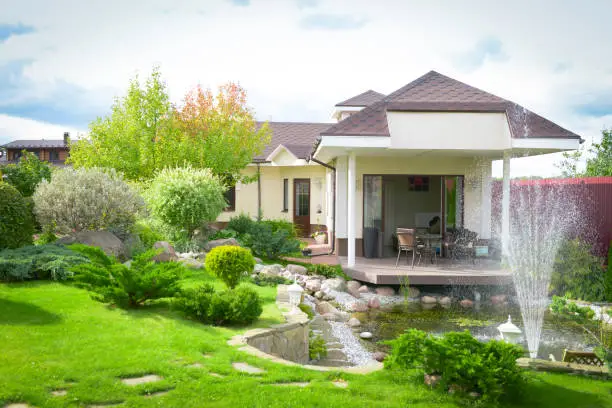
From selecting the right plants to choosing stylish furniture, this guide offers the top tips on how to create a stunning outdoor space that reflects your personal style. If you want more design inspiration, view our additional resources to help perfect your outdoor oasis.
Start with a Solid Plan
Before diving into any landscaping project, planning is essential. Creating a beautiful outdoor space requires a clear vision of what you want and the functional needs you aim to meet.
Whether you’re seeking a space to entertain guests, enjoy quiet moments, or garden, having a detailed plan will help ensure your project runs smoothly.
Establish Your Priorities
Think about how you want to use your outdoor space. Do you need a comfortable area for dining, a space for children to play, or a garden full of vibrant plants? Identifying your priorities will guide your decisions on layout and design elements.
Key Considerations:
- Seating: Will you need a large dining table, casual lounge seating, or a mix of both?
- Activities: Is this space primarily for relaxation, gardening, or hosting social events?
- Storage: Do you need storage solutions for tools, cushions, or outdoor toys?
Measure and Map Your Space
Measure your outdoor area carefully and sketch a rough layout to determine how much room you have for each feature. This is especially helpful when you’re working with limited space, as it will allow you to plan effectively and avoid overcrowding.
Tips for Measuring:
- Use a tape measure: Measure the length and width of the space to get an accurate sense of the available area.
- Draw a to-scale diagram: Sketch your layout on graph paper or using a design app to help visualise the arrangement.
- Plan for pathways: Consider pathways and walkways that allow easy movement between different areas.
Select the Right Plants
Plants are the cornerstone of any outdoor space. The right combination of plants can add colour, texture, and life to your garden. However, selecting the right plants for your specific environment is key to ensuring your landscaping thrives.
Choose Low-Maintenance Plants
For a stunning yet practical outdoor space, choose plants that require minimal maintenance but still offer beauty and texture. Native plants are often a great choice as they are adapted to the local climate and soil conditions.
Low-Maintenance Plant Options:
- Succulents: These drought-resistant plants require little water and are perfect for dry climates.
- Lavender: Hardy and fragrant, lavender adds both colour and a pleasant scent to any outdoor space.
- Ornamental grasses: These plants offer a soft, natural look and grow easily in a variety of conditions.
Create Layers with Different Plant Heights
To add depth and visual interest to your outdoor space, plant a variety of plants at different heights. Use tall plants to create a backdrop, mid-sized plants for the middle layer, and low-growing plants for the front.
Planting Tips:
- Tall plants: Trees, shrubs, or tall grasses provide structure and serve as a natural privacy screen.
- Medium-height plants: Flowering shrubs, such as roses or hydrangeas, create a striking middle layer.
- Ground covers: Low-growing plants like creeping thyme or ground ivy can add texture and fill in empty spaces.
Incorporate Seasonal Interest
To ensure your garden looks appealing year-round, choose plants that offer seasonal interest. Include evergreen shrubs for winter, vibrant flowers for spring and summer, and plants with interesting textures or colours for autumn.
Seasonal Plant Options:
- Spring: Tulips, daffodils, and hyacinths bring vibrant colour in the early months.
- Summer: Daylilies, roses, and coneflowers offer long-lasting blooms during the warmer months.
- Autumn: Ornamental grasses, asters, and mums bring colour as the weather cools.
Focus on Outdoor Furniture and Layout
Furniture plays a key role in creating a comfortable and inviting outdoor space. The furniture you choose should not only be stylish but also functional, allowing for relaxation and entertainment.
Choose Weather-Resistant Furniture
When selecting outdoor furniture, durability is important. Opt for materials that can withstand the elements, such as aluminium, teak, or weather-resistant wicker.
Furniture Material Options:
- Teak: Teak is a durable hardwood that can withstand rain and sun without warping.
- Aluminium: Lightweight and rust-resistant, aluminium is a great choice for modern outdoor furniture.
- Wicker: Synthetic wicker is weather-resistant and provides a relaxed, classic look.
Arrange Furniture for Comfort and Flow
Create a comfortable seating arrangement by arranging furniture in a way that promotes conversation and relaxation. Keep in mind the flow of the space and how people will move through it.
Furniture Arrangement Tips:
- Lounge areas: Place seating in a U- or L-shape around a central table or focal point to create a natural conversation area.
- Dining areas: Position the dining table in a place that’s easily accessible but not in the way of other zones.
- Flow and accessibility: Ensure there’s enough space between furniture pieces to allow easy movement.
Enhance with Lighting and Accessories
Outdoor lighting is essential for creating ambiance and allowing you to enjoy your space after dark. Accessories such as cushions, throws, and decorative items can add personality and comfort to your outdoor retreat.
Use Layered Lighting
Layering lighting helps set the mood for different occasions. Incorporate a mix of overhead, task, and accent lighting to create a welcoming atmosphere.
Lighting Ideas:
- String lights: String lights or fairy lights can add a soft, warm glow to your outdoor space, perfect for evening gatherings.
- Garden lights: Use garden lights to highlight pathways or architectural features like trees and sculptures.
- Task lighting: Spotlights or adjustable lamps are ideal for outdoor kitchens or dining areas where extra light is needed.
Add Comfortable Textiles
Adding textiles like cushions, throws, and outdoor rugs can make your space feel homier and more inviting. Choose materials that are durable and weather-resistant, such as Sunbrella fabric or outdoor-grade cotton.
Textile Tips:
- Outdoor cushions: Bright, patterned cushions can add colour and comfort to lounge areas or dining chairs.
- Outdoor rugs: A rug placed beneath a seating area can define the space and add warmth.
- Throws: Soft throws are perfect for cooler evenings, offering both style and comfort.
Incorporate Water Features
Water features add a calming effect to your outdoor space, making it feel more tranquil and peaceful. Whether you opt for a small tabletop fountain or a large pond, the sound of water can significantly enhance the atmosphere.
Small Water Features for Limited Spaces
If you have a small garden or patio, consider a compact water feature that doesn’t take up too much space. A tabletop fountain, a small pond, or a birdbath can provide the soothing sound of water without overwhelming the space.
Water Feature Ideas:
- Fountains: A small fountain can fit into a corner or on a tabletop to add a tranquil sound.
- Ponds: For larger gardens, a pond with water plants and fish can create a natural, relaxing vibe.
- Water walls: A vertical water wall can be an elegant addition to any modern outdoor space.
Conclusion
Creating a stunning outdoor space requires a mix of thoughtful planning, the right materials, and a clear vision of what you want to achieve. By following these expert landscaping tips, you can transform your garden or patio into a comfortable, stylish, and functional retreat.
From selecting the right plants to incorporating furniture and lighting, there are countless ways to maximise your outdoor space while keeping it beautiful and inviting. With a little creativity and attention to detail, you can create an outdoor oasis that you’ll love to spend time in.
Frequently Asked Questions
How can I make my small outdoor space feel bigger?
To make a small outdoor space feel larger, use vertical elements like tall plants or trellises, keep furniture compact, and ensure there’s a clear flow between zones. Adding mirrors can also create the illusion of space.
What plants are best for small outdoor spaces?
For small outdoor spaces, opt for compact plants like succulents, small shrubs, or dwarf trees. Vertical gardening, using hanging baskets or wall-mounted planters, can also maximise plant coverage without taking up floor space.
How do I incorporate lighting into my outdoor space?
Layering lighting with string lights, garden lights, and task lighting is an excellent way to add ambiance. Focus on illuminating pathways, seating areas, and focal points to make your outdoor space usable after dark.