
Epoxy flooring is an increasingly popular option for both residential and commercial spaces. Known for its durability, versatility, and cost-effectiveness, epoxy flooring is an excellent choice for areas that experience heavy traffic or require a high-performance surface.
If you’re considering installing epoxy flooring in your home or business, it’s essential to understand the key aspects of the process before making a decision.
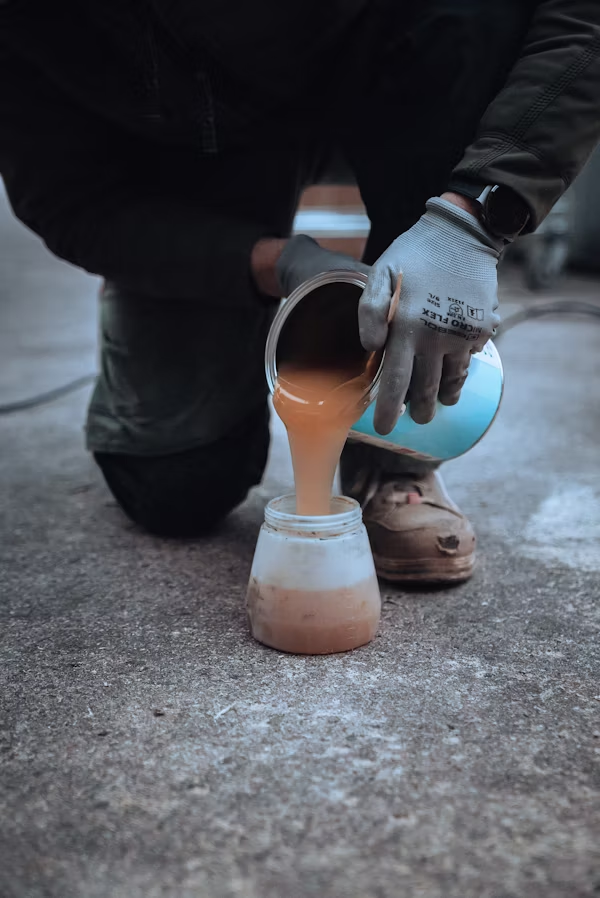
This article will provide a comprehensive guide on epoxy flooring, including the types, benefits, installation process, and maintenance tips. If you’re ready to transform your space, find this article helpful to guide you through the process.
What is Epoxy Flooring?
Epoxy flooring is a resin-based product applied to a concrete surface to create a tough, durable, and seamless floor.
It is made up of a combination of epoxy resins and hardeners that chemically bond to the concrete, forming a rigid plastic surface that is highly resistant to wear and damage.
This type of flooring is commonly used in high-traffic areas such as garages, warehouses, showrooms, and even homes.
The Components of Epoxy Flooring
Epoxy flooring consists of two main components:
- Epoxy Resin: This is the base material that provides the structural integrity of the floor.
- Hardener: The hardener, when combined with the epoxy resin, triggers a chemical reaction that helps the floor cure and harden.
When applied to a concrete surface, the epoxy forms a strong bond with the floor, creating a smooth and long-lasting finish.
Why Choose Epoxy Flooring?
Choosing epoxy flooring for your home or business comes with several benefits. Here’s why it is a popular option for those looking for a durable and stylish solution.
1. Exceptional Durability
Epoxy flooring is known for its durability. It is highly resistant to scratches, stains, and other forms of damage. Whether it’s heavy foot traffic, dropped tools, or moving furniture, epoxy floors can withstand these impacts without showing signs of wear and tear. This makes it an ideal option for high-traffic areas, both in commercial and residential settings.
2. Cost-Effectiveness
Epoxy flooring is often more affordable than other flooring options like hardwood, tile, or marble. Not only is the initial installation cost lower, but epoxy flooring is also more cost-effective over time due to its long-lasting nature and minimal maintenance needs.
3. Easy to Maintain
One of the key selling points of epoxy flooring is its low maintenance. Unlike other types of flooring that require frequent cleaning and maintenance, epoxy floors are easy to clean and maintain.
A simple mop and broom are usually enough to keep the floor looking pristine, reducing cleaning costs and effort.
4. Aesthetic Versatility
Epoxy flooring can be customised in various colours, finishes, and textures to suit any design style. Whether you’re looking for a glossy, high-shine finish or a matte, industrial look, epoxy flooring can be tailored to your needs.
For businesses, epoxy floors can also incorporate logos or custom designs to enhance branding.
Types of Epoxy Flooring
There are several types of epoxy flooring available, each with its unique characteristics. Understanding the different types will help you choose the right option for your space.
1. Solid Colour Epoxy Flooring
Solid colour epoxy flooring is one of the most common types. It provides a smooth, uniform surface in a single colour. This type of epoxy is ideal for creating a sleek, modern look in any space, including garages, living rooms, or offices.
2. Metallic Epoxy Flooring
For a more luxurious and eye-catching finish, metallic epoxy flooring is a popular choice. It involves blending metallic pigments with the epoxy resin to create a glossy, 3D effect.
This flooring type is often used in commercial spaces like lobbies or showrooms, as it gives the space a high-end, sophisticated look.
3. Flake Epoxy Flooring
Flake epoxy flooring incorporates decorative flakes or chips mixed into the resin to give the surface a speckled appearance. This type of flooring is highly durable and slip-resistant, making it suitable for areas such as garages, kitchens, and other high-traffic spaces.
4. Quartz Epoxy Flooring
Quartz epoxy flooring combines epoxy resin with quartz sand for a more textured surface. It offers excellent slip resistance and is ideal for areas where safety is a priority, such as commercial kitchens, bathrooms, or outdoor spaces.
Installation Process of Epoxy Flooring
The installation of epoxy flooring requires careful preparation and attention to detail. To ensure a successful installation, it’s important to understand the process.
1. Surface Preparation
Before installing epoxy flooring, the concrete surface must be prepared properly. This involves cleaning the floor to remove dirt, grease, and any existing coatings.
Additionally, any cracks or imperfections in the concrete should be repaired to ensure a smooth, even surface for the epoxy to adhere to.
2. Applying the Primer
Once the surface is cleaned and prepped, a primer is applied to help the epoxy adhere to the concrete. This step ensures that the epoxy bonds well to the surface and provides a stronger, more durable finish.
3. Mixing and Applying the Epoxy
After the primer has set, the epoxy resin and hardener are mixed together in the correct proportions. This mixture is then applied to the floor, typically with a roller or squeegee. The epoxy should be applied in thin, even layers to ensure a smooth finish.
4. Curing Time
After the epoxy has been applied, it must be left to cure. The curing process usually takes 24-48 hours, depending on the type of epoxy and environmental conditions. During this time, it’s important to avoid walking on the floor or introducing any moisture to the surface.
5. Final Inspection
Once the epoxy has cured, a final inspection is conducted to ensure that the surface is smooth and free from imperfections. If necessary, a topcoat is applied to provide additional protection and enhance the appearance of the floor.
Maintenance of Epoxy Flooring
Epoxy floors are known for their low maintenance, but regular care is still necessary to keep them in top condition.
1. Cleaning
Regular cleaning is essential to maintain the appearance of your epoxy floor. Sweep the floor regularly to remove dirt and debris, and mop it occasionally using a mild detergent. Avoid using harsh chemicals that may damage the surface.
2. Preventing Damage
While epoxy floors are highly durable, they can still be scratched or damaged by sharp objects or heavy impacts. To prevent damage, use furniture pads under heavy items, and avoid dragging sharp objects across the floor.
3. Reapplying a Topcoat
Over time, the epoxy finish may begin to lose its shine. Reapplying a clear topcoat every few years can help restore the floor’s glossy finish and add an additional layer of protection.
Common Mistakes to Avoid When Installing Epoxy Flooring
Installing epoxy flooring requires careful attention to detail. Here are some common mistakes to avoid during the installation process:
1. Skipping Surface Preparation
Proper surface preparation is essential for a successful epoxy installation. Skipping this step can result in poor adhesion and a shorter lifespan for your flooring.
2. Incorrect Mixing
Epoxy resin and hardener must be mixed in the correct proportions. Incorrect mixing can lead to a floor that does not cure properly, causing it to be weak or prone to damage.
3. Not Allowing Enough Curing Time
Impatience can be costly when installing epoxy flooring. Rushing the curing process or walking on the floor before it has fully set can damage the finish and affect the floor’s durability.
Conclusion
Epoxy flooring is an excellent choice for both residential and commercial spaces due to its durability, cost-effectiveness, and aesthetic versatility.
By understanding the installation process, the different types of epoxy flooring available, and how to maintain it, you can ensure that your epoxy floor will provide years of reliable performance.
Whether you’re looking to improve the floors in your home or business, epoxy flooring offers a high-quality solution that’s both functional and visually appealing.
Frequently Asked Questions
How long does epoxy flooring last?
Epoxy flooring can last between 10 and 20 years, depending on the amount of foot traffic, maintenance, and quality of the installation. With proper care, it can provide long-lasting durability.
Can I install epoxy flooring myself?
While it’s possible to install epoxy flooring yourself, it requires careful preparation and attention to detail. If you’re inexperienced, hiring a professional installer is recommended to ensure the job is done correctly.
Is epoxy flooring suitable for outdoor use?
Yes, epoxy flooring can be used outdoors, but it’s important to choose an epoxy that is designed for outdoor conditions. This ensures that the floor can withstand exposure to UV rays, moisture, and temperature changes.