
Pests can be a real nuisance, especially when they invade your home or garden. However, while dealing with these pests is important, it is equally vital to ensure that the methods used to get rid of them do not harm the environment or your health.
This is where eco-friendly pest control solutions come in. These solutions are not only effective but also sustainable and safe for humans, pets, and the planet.
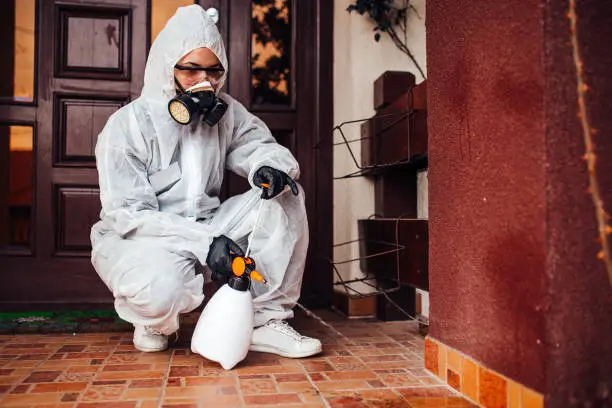
In this guide, we will explore various eco-friendly pest control options to help you protect your home without causing environmental damage. If you’re interested in more details on eco-friendly pest management, check out the original site for additional insights.
1. Understanding Eco-Friendly Pest Control
What is Eco-Friendly Pest Control?
Eco-friendly pest control, also known as green pest control, focuses on using natural, non-toxic methods to prevent or manage pest problems. These methods are designed to minimise harm to the environment, animals, and humans while effectively controlling pest populations.
- Natural Pesticides: These are derived from natural ingredients and often pose less risk to non-target organisms.
- Physical Barriers: Methods like traps, nets, or physical exclusion prevent pests from entering certain areas without using chemicals.
- Biological Control: The use of natural predators to control pest populations is a cornerstone of eco-friendly pest management.
Using eco-friendly solutions helps reduce the reliance on harsh chemicals that can leach into the soil and water systems, making them a safer choice for everyone.
Why Choose Eco-Friendly Pest Control?
The benefits of eco-friendly pest control are numerous and range from improved health to environmental preservation. Some of the reasons why eco-friendly pest control is gaining popularity include:
- Safer for Humans and Pets: Traditional pest control chemicals can pose health risks to humans and pets, especially those with respiratory issues or allergies.
- Protecting Pollinators: Many chemical pesticides harm beneficial insects like bees and butterflies, which are essential for pollination.
- Sustainability: Eco-friendly solutions are often more sustainable, reducing the long-term environmental impact of pest control.
2. Common Eco-Friendly Pest Control Solutions
Natural Pesticides
Natural pesticides are derived from plant extracts or minerals and are typically less toxic than their chemical counterparts. Some common examples include:
- Diatomaceous Earth: This fine powder is made from the fossilised remains of marine organisms. It works by dehydrating pests like ants, cockroaches, and bed bugs.
- Neem Oil: Extracted from the neem tree, neem oil is a natural insecticide that can control a wide range of pests, including aphids, mosquitoes, and whiteflies.
- Citrus Oil: Citrus oils, like lemon or orange, can act as repellents for ants, cockroaches, and spiders.
While these natural pesticides can be effective, they are generally safe to use around humans, pets, and plants when applied correctly.
Biological Control: Using Natural Predators
Biological control involves introducing natural predators or parasites to control pest populations. This is an effective, eco-friendly way of managing pests without chemicals.
- Ladybugs for Aphids: Ladybugs are natural predators of aphids and can help control aphid populations in your garden.
- Nematodes for Soil Pests: These microscopic worms attack and kill pests like grubs and root weevils in the soil.
- Predatory Mites for Spider Mites: These mites feed on harmful spider mites and can keep their numbers in check.
Biological control is a great way to maintain a balanced ecosystem in your garden while keeping pest populations under control.
Physical Barriers and Traps
Sometimes, the best way to control pests is simply to keep them out. Physical barriers and traps can effectively manage pests without using any chemicals.
- Mesh Screens: Installing fine mesh screens on windows, doors, and vents helps prevent insects like flies and mosquitoes from entering your home.
- Traps: For rodents, sticky traps or live-catch traps are effective for removing pests without resorting to poisons.
- Garden Netting: In your garden, netting can be used to keep birds, insects, and other pests away from your plants.
Using physical barriers and traps is an excellent low-impact solution for keeping pests at bay.
Repellents
Eco-friendly repellents are another popular pest control method. These repellents use natural ingredients to repel pests without harming the environment. Common eco-friendly repellents include:
- Essential Oils: Many essential oils, such as peppermint, lavender, citronella, and eucalyptus, act as natural insect repellents. These oils can be sprayed around your home or garden to keep pests like mosquitoes and ants away.
- Garlic and Chili Spray: A mixture of garlic and chili peppers can create a natural spray to repel insects like aphids, slugs, and snails.
- Cedarwood Chips: Placing cedarwood chips in closets or drawers can repel moths, fleas, and other pests.
Repellents offer a safe way to deter pests, especially when you want to avoid harming your plants or home.
3. Preventative Measures to Keep Pests Away
Proper Home Maintenance
Preventing pest problems before they arise is one of the most effective strategies. Regular home maintenance can help keep pests from entering in the first place.
- Seal Entry Points: Check for cracks in walls, doors, and windows, and seal them to prevent pests from entering your home.
- Clean Gutters: Ensure your gutters are clean and free of debris, as clogged gutters can create moisture that attracts pests like termites and ants.
- Remove Standing Water: Pests like mosquitoes thrive in standing water, so ensure there are no water sources around your home, such as clogged drains, birdbaths, or potted plants.
Keeping your home well-maintained reduces the likelihood of attracting pests and makes it harder for them to gain access to your property.
Healthy Gardening Practices
Maintaining a healthy garden can reduce the chances of attracting pests. By fostering a natural environment, you can create a space that encourages beneficial insects and deters harmful ones.
- Diverse Planting: A variety of plants helps support a healthy ecosystem and attracts beneficial insects that keep pests under control.
- Proper Watering: Overwatering creates a damp environment, which can attract pests like mosquitoes. Water your garden in the morning to avoid standing water.
- Companion Planting: Planting certain plants together can naturally repel pests. For example, planting marigolds with tomatoes can help keep aphids and nematodes away.
By making small adjustments to your gardening practices, you can create a thriving, pest-free garden that’s both healthy and eco-friendly.
4. Eco-Friendly Pest Control for the Home
Natural Pest Control for Indoor Spaces
While eco-friendly pest control is often thought of in terms of the garden, it’s just as important for the inside of your home. Here are a few methods to control pests indoors without chemicals:
- Diatomaceous Earth for Ants and Cockroaches: Sprinkling diatomaceous earth in areas where pests frequent can kill them without harming your family or pets.
- Essential Oils for Ants and Spiders: Create an essential oil spray and apply it to areas where ants or spiders are a problem.
- Vinegar for Fruit Flies: A simple solution of vinegar and water in a jar can trap and eliminate fruit flies from your kitchen.
By using natural methods indoors, you can maintain a pest-free environment while avoiding the harmful effects of chemical treatments.
Safe Rodent Control
Rodents are a common household pest, but there are eco-friendly ways to manage them without the use of toxic traps or poisons.
- Live-Catch Traps: These traps capture rodents alive so they can be relocated safely. They are humane and do not involve chemicals.
- Peppermint Oil: Rodents dislike the strong smell of peppermint. Place cotton balls soaked in peppermint oil around areas where mice are likely to enter.
These simple solutions are effective and safe for the environment, providing an alternative to chemical rodent control.
Conclusion
Eco-friendly pest control solutions are a safe, effective, and sustainable way to manage pests in and around your home.
By incorporating natural pesticides, physical barriers, biological control, and preventative measures, you can protect your home and garden from pests while maintaining a healthy environment.
With these eco-friendly approaches, you can manage pest problems without the harmful impact of chemical pesticides.
Frequently Asked Questions
Is eco-friendly pest control as effective as traditional methods?
Yes, eco-friendly pest control methods can be just as effective as traditional methods when used correctly. The key is choosing the right approach for the type of pest and ensuring that it’s applied in the appropriate way.
How do I prevent pests from entering my home naturally?
Preventative measures such as sealing entry points, removing food sources, and using natural repellents can significantly reduce the likelihood of pests entering your home.
Can eco-friendly pest control be used on all pests?
Eco-friendly methods can be effective for many common pests, including insects, rodents, and termites. However, some pests may require professional intervention, particularly if there’s a large infestation.