
Selecting the right pool for your home is a significant decision that can impact your property’s value, lifestyle, and overall enjoyment. The right pool will meet your specific needs in terms of space, maintenance, budget, and style.
To help you navigate this decision, we’ve broken down everything you need to know to choose the perfect pool type for your home.
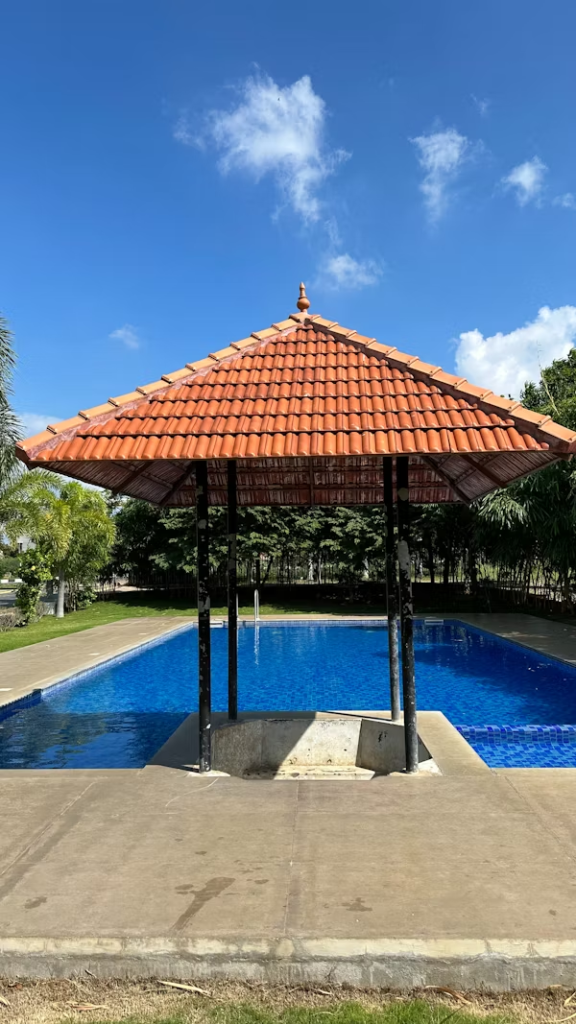
Here are the findings from our expert research to guide you in making an informed choice.
Key Factors To Consider When Choosing A Pool
Choosing the perfect pool type for your home isn’t just about picking something that looks nice; it’s about understanding how each pool type aligns with your lifestyle and home environment. There are several key factors you must consider when making your decision. Let’s dive into these critical considerations.
Available Space
The amount of space you have for a pool is one of the most critical factors in determining the type of pool that will work best for your home. Not every pool can fit in every space, so understanding your available area is crucial to the decision-making process.
- Small Yards: For homeowners with limited space, options like fibreglass or vinyl pools are ideal. These pools tend to come in standard, pre-fabricated sizes and are designed to fit neatly into smaller spaces without requiring extensive modification. They are compact and efficient, and they can be installed relatively quickly.
- Large Yards: If you have a larger backyard, a concrete pool may be the best option. Concrete pools can be fully customised to fit the size and shape of your yard, offering maximum flexibility. Whether you want a traditional rectangular pool, a kidney-shaped pool, or a free-form design, concrete pools can accommodate these variations.
In addition, large yards also provide the opportunity for more complex and sophisticated pool features such as waterfalls, spas, and integrated landscaping. Concrete pools offer the flexibility to create these luxury features, which might not be as easily possible with fibreglass or vinyl options.
Pool Usage
Another critical factor in choosing the right pool is how you plan to use it. Different pools are suited to different types of activities, so it’s essential to choose one that aligns with your intended use.
- For Recreation and Relaxation: If your primary goal is relaxation, a pool with a wide shallow end or a built-in spa might be the best option. Fibreglass pools are a good choice for this because of their smooth surfaces, which offer a pleasant swimming experience. They are also low-maintenance, which means you can spend more time enjoying your pool and less time on upkeep.
- For Exercise: If you are planning to use the pool for exercise, such as swimming laps, a longer, more traditional rectangular pool might be ideal. Concrete pools are perfect for this type of use because they can be customised in length and depth to meet your specific requirements. Concrete pools can be designed with swim lanes and deep ends, allowing you to get the most out of your workouts.
- For Family Fun: For families with children or those hosting frequent gatherings, a pool that offers a mix of shallow and deep areas can be great. A fibreglass or vinyl pool might work best here due to their practical designs and ease of maintenance. You’ll want a pool that accommodates both adults and children, providing a safe and enjoyable environment for everyone.
Budget
Your budget will undoubtedly play a significant role in determining which pool type is best for your home. Pools can range in price from a few thousand dollars to tens of thousands, depending on the material, size, design, and additional features. Let’s break down the cost differences for each type of pool.
- Concrete Pools: These are the most expensive type of pool to install. The reason for this is that concrete pools are highly customisable and require more labour and time to install. Additionally, they often have a higher long-term maintenance cost due to the need for resurfacing every 10-15 years, as well as the extra cleaning and chemical maintenance required. However, the high initial cost of a concrete pool is often balanced by its longevity and customisation options.
- Fibreglass Pools: Fibreglass pools generally fall in the middle of the price spectrum. While they are not as customisable as concrete pools, they are less expensive to install. They also have the advantage of being low-maintenance, which can save you money on cleaning, chemicals, and repairs in the long term. Their installation is quicker and more straightforward, which also reduces labour costs.
- Vinyl Pools: Vinyl pools are the most affordable option in terms of initial installation costs. These pools are prefabricated and installed into an excavated hole, making them easier and cheaper to install than both concrete and fibreglass pools. However, vinyl liners typically need to be replaced every 7 to 10 years, which adds to the long-term costs. While you may save money upfront, it’s essential to factor in the potential costs of liner replacement when planning your budget.
When deciding on your pool, it’s also essential to keep in mind the ongoing costs of maintenance, heating, and additional features like lighting or landscaping. These costs can vary significantly depending on the type of pool you choose.
Maintenance Considerations
The long-term maintenance required for each pool type can vary greatly. Maintenance is an essential part of pool ownership, so it’s important to understand what’s involved before making a decision.
Concrete Pools
- Cleaning: Concrete pools require regular cleaning and maintenance to prevent algae growth and staining.
- Resurfacing: Concrete pools typically require resurfacing every 10–15 years, which can be a significant expense.
- Chemical Maintenance: Maintaining the correct chemical balance in a concrete pool can be a time-consuming process. The porous surface can absorb chemicals, meaning more frequent adjustments may be required.
Fibreglass Pools
- Cleaning: Fibreglass pools are relatively easy to maintain, thanks to their smooth surface. They require less frequent cleaning than concrete pools and are less prone to algae build-up.
- Maintenance: Because fibreglass is a non-porous material, it requires less chemical balancing than concrete pools.
- Repairs: Fibreglass pools are generally low-maintenance and long-lasting, with fewer repairs needed over time.
Vinyl Pools
- Cleaning: Vinyl pools are easy to clean, though algae may accumulate more quickly than in fibreglass or concrete pools.
- Liner Replacement: The vinyl liner typically needs to be replaced every 7 to 10 years. While this cost is lower than resurfacing a concrete pool, it’s still an ongoing expense.
- Chemical Balance: Like other pools, vinyl pools require proper chemical balance to maintain water quality.
Conclusion
Choosing the perfect pool type for your home is about aligning your pool needs with your home’s space, your family’s lifestyle, and your budget. Concrete pools offer the most flexibility and durability, but they come with a higher initial cost and require more maintenance. Fibreglass pools are low-maintenance and easy to install, but are less customisable.
Vinyl pools are the most budget-friendly option, but they require liner replacements over time. By carefully considering your space, budget, usage, and maintenance preferences, you’ll be able to select the pool that perfectly suits your needs and enhances your home’s appeal.
Frequently Asked Questions
What Factors Should I Consider When Choosing The Right Pool Type For My Home?
When choosing the right pool for your home, consider the size of your yard, your primary use for the pool (whether for relaxation, exercise, or family fun), your budget, and the amount of maintenance you’re willing to handle. Smaller yards may benefit from fibreglass or vinyl pools, while larger spaces can accommodate custom-designed concrete pools. Also, remember to factor in installation time and long-term upkeep costs.
How Long Do Different Pool Types Last?
Concrete pools are the most durable, often lasting for decades with proper care and resurfacing every 10 to 15 years. Fibreglass pools can last up to 30 years or more with minimal maintenance. Vinyl pools typically have a shorter lifespan due to the need for liner replacements every 7-10 years, but they can still provide a good option for those on a budget.
Are There Any Maintenance Differences Between Concrete, Fibreglass, And Vinyl Pools?
Yes, maintenance requirements vary. Concrete pools require regular cleaning, resurfacing every 10-15 years, and frequent chemical balancing due to their porous surface. Fibreglass pools have a smooth surface that reduces cleaning time and chemical use, making them easier to maintain. Vinyl pools are easier to clean than concrete pools, but they require liner replacement every 7-10 years, which adds to their long-term costs.