
Bronchoscopy is a diagnostic medical procedure used to examine the airways and lungs. It involves inserting a thin, flexible tube with a camera (bronchoscope) into the airways, allowing doctors to observe lung structures directly, assess abnormalities, and collect tissue samples for testing.
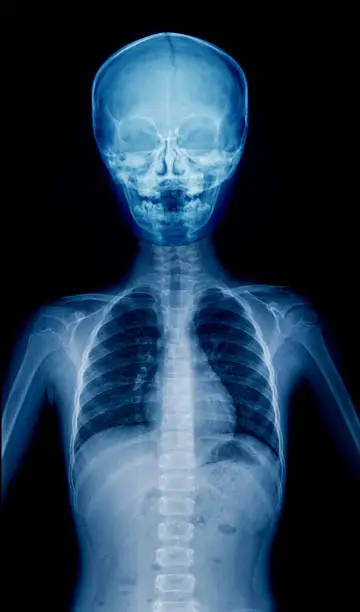
Bronchoscopy plays a significant role in diagnosing various respiratory conditions and can help determine the cause of lung-related symptoms such as coughing, shortness of breath, and wheezing. This article discusses how bronchoscopy helps diagnose respiratory conditions and the key processes involved.
Visit our website for more info, learn more, and get the support you need.
What Is Bronchoscopy?
Bronchoscopy is a procedure in which a doctor uses a flexible tube called a bronchoscope to view the inside of a patient’s airways and lungs. It is mainly performed for diagnostic purposes, although it can also be used to treat certain conditions.
A bronchoscope, equipped with a light and camera, is inserted through the mouth or nose and passed down into the trachea. It allows doctors to inspect the airways for abnormalities or diseases.
Key Functions Of Bronchoscopy
- Visual Examination: Bronchoscopy allows direct visualisation of the lungs and airways, providing detailed insights not available from standard imaging techniques.
- Sample Collection: Doctors can use the bronchoscope to collect samples (biopsies) from abnormal tissues or fluids for further analysis.
- Treatment Procedures: Bronchoscopy can diagnose and treat conditions like clearing blocked airways or removing foreign objects.
How Does Bronchoscopy Help In Diagnosing Respiratory Conditions?
Bronchoscopy is an essential diagnostic tool that helps doctors identify the root cause of respiratory symptoms. Below are some key ways bronchoscopy helps in diagnosing common respiratory conditions.
Identifying Lung Infections
Lung infections, such as pneumonia, tuberculosis, and other bacterial or viral infections, can cause severe symptoms but may not be easily diagnosed with imaging tests like X-rays or CT scans.
Bronchoscopy helps by providing direct access to the airways, where doctors can observe the presence of inflammation, abnormal mucus, or foreign bodies. It also enables the collection of mucus or tissue samples to test for specific pathogens, such as bacteria, viruses, or fungi.
For example, a doctor can use bronchoscopy to collect samples for a sputum culture, which can help diagnose bacterial pneumonia or tuberculosis and enable doctors to choose the appropriate treatment.
Detecting Tumours And Cancer
Bronchoscopy is a valuable tool in diagnosing lung cancer. It helps doctors identify abnormal growths or tumours within the airways, especially in the early stages when symptoms may be less noticeable. Using the bronchoscope, the doctor can examine the trachea and bronchi for signs of malignancy.
If a suspicious area is found, the doctor can biopsy the tissue to determine whether the growth is cancerous. This biopsy is crucial in confirming the type of cancer and its stage, which directly impacts the treatment plan.
- Lung Cancer Detection: Bronchoscopy allows for early identification of lung cancer, particularly in high-risk patients (e.g., smokers).
- Biopsy Samples: Tissue samples obtained during bronchoscopy are examined to confirm the presence of cancerous cells and determine the type of cancer.
Diagnosing Inflammatory Conditions
Bronchoscopy helps diagnose inflammatory respiratory conditions such as asthma, chronic obstructive pulmonary disease (COPD), and bronchitis. These conditions can cause chronic inflammation in the airways, leading to symptoms such as wheezing, coughing, and shortness of breath.
By using bronchoscopy to examine the airways, doctors can assess the extent of inflammation and identify structural changes, such as narrowing or scarring of the airways, that may be present in chronic diseases. For instance, in COPD, the bronchoscope can show thickening of the airway walls or the presence of mucus, which are common signs of chronic inflammation.
- Asthma: Bronchoscopy can be used to check for inflammation in the airways and identify possible triggers for asthma symptoms.
- COPD: For patients with COPD, bronchoscopy provides visual confirmation of airway damage and assesses the condition’s impact on lung function.
Evaluating Airway Obstruction
Sometimes, patients experience breathing difficulties due to airway obstructions caused by foreign objects, mucus plugs, or other blockages. Bronchoscopy allows doctors to examine the airways directly to identify these obstructions. In some cases, the bronchoscope can remove the object or clear the obstruction, improving airflow and alleviating symptoms.
- Foreign Objects: In children, foreign objects may become lodged in the airways, causing choking or breathing problems. Bronchoscopy is a safe and effective method for retrieving such objects.
- Mucus Plugs: In cystic fibrosis or COPD patients, mucus plugs can form and block the airways. Bronchoscopy can help remove these plugs, improving lung function and preventing further complications.
Monitoring Lung Function And Post-Treatment Conditions
After a patient undergoes treatments such as surgery, chemotherapy, or radiation therapy for lung conditions, bronchoscopy can help monitor the effectiveness of the treatment and assess any possible side effects or complications. For example, after lung cancer treatment, a bronchoscopy can check for signs of recurrence or complications such as scarring or infections.
- Post-Treatment Monitoring: Bronchoscopy provides valuable feedback on how the lungs respond to treatment and allows doctors to adjust as needed.
- Lung Function Testing: Bronchoscopy can evaluate lung function in patients with chronic respiratory conditions after treatment.
Benefits Of Bronchoscopy
Bronchoscopy offers several benefits in diagnosing and treating respiratory conditions:
- Direct Visualisation: Provides a clear, detailed view of the airways and lungs, helping doctors make more accurate diagnoses.
- Minimally Invasive: Requires no large incisions, resulting in quicker recovery and fewer complications than traditional surgery.
- Treatment and Diagnosis Combined: Bronchoscopy can often be used to diagnose and treat respiratory issues, such as clearing blocked airways or taking biopsies for cancer analysis.
Risks And Considerations
As with any medical procedure, bronchoscopy involves risks. However, these risks are generally low and manageable. Potential risks include bleeding, infection, or a rare complication called pneumothorax (collapsed lung).
Conclusion
Bronchoscopy plays a vital role in diagnosing and treating respiratory conditions. By providing direct access to the airways and lungs, bronchoscopy allows doctors to identify various conditions, from infections and tumours to chronic diseases and obstructions.
This minimally invasive procedure offers valuable insights that can lead to accurate diagnoses and effective treatment plans.
Frequently Asked Questions
What Conditions Can Be Diagnosed With A Bronchoscopy?
Bronchoscopy helps diagnose various respiratory conditions, including lung infections like pneumonia and tuberculosis, lung cancer, asthma, COPD, and other inflammatory diseases.
It can also identify obstructions caused by foreign objects or mucus plugs and provide a means to evaluate the effectiveness of treatments or monitor lung function in patients with chronic respiratory conditions.
Is The Bronchoscopy Procedure Painful?
Bronchoscopy is generally not painful, as it is performed under local anaesthesia, which numbs the throat and airways. Some patients may feel mild discomfort or a sore throat after the procedure. If general anaesthesia is used, patients will be unconscious during the procedure and may experience grogginess afterwards, but pain is minimal.
How Long Does It Take To Recover From A Bronchoscopy?
Recovery from a bronchoscopy is typically quick, with most patients able to go home the same day. After the procedure, patients might experience temporary mild symptoms such as a sore throat, coughing, or hoarseness. These usually resolve within a few hours to a day.
Following the doctor’s post-procedure instructions and attending any follow-up appointments as needed is essential.