
Podiatry is a specialised field of healthcare focused on diagnosing, treating, and preventing conditions affecting the feet, ankles, and lower limbs. Podiatrists play an essential role in managing various conditions that impact a person’s ability to walk, move, or remain active.
Whether dealing with chronic pain, injury, or discomfort, many seek the expertise of a podiatrist for relief and guidance.
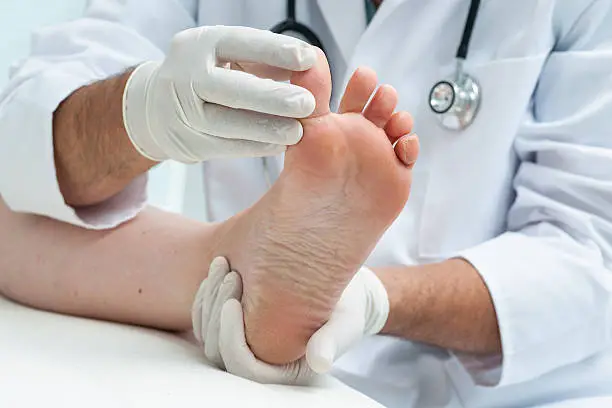
This article will discuss the most common problems a podiatrist treats, from everyday conditions to more serious medical issues. We will explore common symptoms, treatment options, and when to consult a specialist.
Consider this article a useful reference to help guide you through the best options for your foot health.
Plantar Fasciitis
Plantar fasciitis is one of the most common foot conditions treated by podiatrists. This condition involves plantar fascia inflammation, a thick tissue band connecting the heel to the toes. Individuals with plantar fasciitis often experience sharp pain in the heel, especially with the first steps in the morning.
Symptoms
- Sharp pain in the heel or arch
- Pain when standing after periods of rest
- Swelling and inflammation
- Pain that worsens with walking or standing for long periods
Causes
- Overuse or repetitive strain on the feet
- Poor footwear choices
- High arches or flat feet
- Tight calf muscles
Treatment Options
- Rest and ice therapy
- Stretching exercises for the calf and foot muscles
- Orthotic insoles to support the arch
- Anti-inflammatory medications
- Corticosteroid injections in severe cases
Bunions (Hallux Valgus)
Bunions are a common deformity that occurs when the big toe points inward toward the second toe, causing a bony bump to form on the side of the foot. This condition can cause significant pain and discomfort, especially when wearing tight shoes.
Symptoms
- A visible bump on the side of the big toe
- Pain or tenderness at the base of the big toe
- Difficulty wearing certain shoes
- Redness and swelling around the joint
Causes
- Genetics or family history
- Wearing ill-fitting shoes, particularly those with a narrow toe box
- Overuse or abnormal foot mechanics
Treatment Options
- Changing footwear to more comfortable, wide-toed shoes
- Orthotics provide proper support
- Padding to reduce friction on the bunion
- Surgery in severe cases
Ingrown Toenails
Ingrown toenails occur when the edges of the toenail grow into the surrounding skin, causing pain, swelling, and sometimes infection. This condition is common and can affect anyone, but it is particularly prevalent in individuals who wear tight shoes or have improper nail-trimming habits.
Symptoms
- Pain and tenderness around the nail
- Redness and swelling
- Possible discharge of pus if infection occurs
Causes
- Improper nail trimming (cutting nails too short or rounding the edges)
- Tight shoes or ill-fitting footwear
- Injury to the toe or nail
Treatment Options
- Soaking the affected foot in warm water
- Antibiotic ointments for infections
- Nail trimming or partial nail removal by a podiatrist
- Surgery to remove the nail in severe cases
Achilles Tendonitis
Achilles tendonitis is a common injury involving the inflammation of the Achilles tendon, which connects the calf muscles to the heel bone. It often occurs due to overuse or repetitive activities, especially in athletes or individuals who engage in high-impact sports.
Symptoms
- Pain or stiffness in the back of the heel or calf
- Swelling and tenderness along the Achilles tendon
- Pain that worsens with activity
- A feeling of weakness or tightness in the calf
Causes
- Overuse or excessive strain on the tendon
- Sudden increase in activity or exercise intensity
- Tight calf muscles or improper footwear
Treatment Options
- Rest and ice therapy
- Stretching exercises for the calf muscles
- Orthotic insoles to provide support
- Anti-inflammatory medications
- Physical therapy for rehabilitation
Flat Feet (Pes Planus)
Flat feet, or fallen arches, occur when the arch of the foot flattens out, causing the entire sole to touch the ground. This condition can lead to foot pain, especially in the heel or arch, and may make walking or standing difficult.
Symptoms
- Pain in the feet or lower limbs
- Swelling in the inner ankle
- Difficulty standing or walking for extended periods
- Foot fatigue or tiredness
Causes
- Genetic predisposition
- Weak or imbalanced foot muscles
- Injury or trauma to the foot
Treatment Options
- Custom orthotic insoles to support the arch
- Stretching and strengthening exercises
- Footwear adjustments, such as supportive shoes
- In severe cases, surgery may be considered
Corns and Calluses
Corns and calluses are thickened skin areas that form due to pressure or friction. While corns usually develop on the tops or sides of toes, calluses tend to form on the soles of the feet. Both can be painful and lead to discomfort while walking.
Symptoms
- Thickened, hardened skin on the feet
- Pain or discomfort when pressure is applied
- Redness or swelling around the affected area
Causes
- Ill-fitting shoes that cause friction
- Abnormal foot mechanics, such as high arches or abnormal walking patterns
- Standing for long periods
Treatment Options
- Wearing proper footwear with cushioning
- Use of foot pads or gel inserts to reduce pressure
- Regular removal of corns and calluses by a podiatrist
- Moisturising the feet to prevent dryness and cracking
Heel Spurs
A heel spur is a bony growth that forms on the heel bone, often associated with plantar fasciitis. Heel spurs can cause pain, particularly when walking or standing, and are frequently seen in individuals with flat feet or high arches.
Symptoms
- Sharp pain in the heel, particularly when walking or standing
- A visible bony bump on the heel
Causes
- Repetitive stress or pressure on the heel
- Plantar fasciitis
- Overuse or poor footwear
Treatment Options
- Rest and ice therapy
- Stretching exercises for the foot
- Anti-inflammatory medications
- Custom orthotic insoles to reduce pressure on the heel
- Surgery in rare cases
Morton’s Neuroma
Morton’s neuroma is a painful condition that affects the ball of the foot, usually between the third and fourth toes. It involves thickening tissue around a nerve, causing pain, numbness, or tingling in the affected area.
Symptoms
- Sharp, burning pain in the ball of the foot
- Numbness or tingling between the toes
- Pain that worsens when wearing tight shoes or high heels
Causes
- Tight or high-heeled shoes that compress the toes
- High-impact sports that involve running or jumping
- Foot deformities, such as bunions or flat feet
Treatment Options
- Wearing proper footwear with adequate support
- Anti-inflammatory medications
- Custom orthotics
- In severe cases, injection therapy or surgery
Conclusion
A podiatrist treats many foot, ankle, and lower limb conditions, from common ailments such as plantar fasciitis and bunions to more serious issues like Achilles tendonitis or flat feet. Early consultation with a podiatrist can help alleviate pain and improve mobility, enabling individuals to maintain an active and healthy lifestyle.
Whether it’s injury prevention, managing chronic conditions, or recovery from surgery, a podiatrist plays a vital role in foot care and overall well-being.
Frequently Asked Questions
What Should I Do If I Experience Foot Pain?
If you’re experiencing foot pain, it’s essential to rest and avoid putting excess pressure on the affected area. You can try elevating the foot and applying ice to reduce swelling. If the pain persists, it’s advisable to see a podiatrist, as they can provide a proper diagnosis and recommend treatment options such as custom orthotics or physical therapy.
How Can I Prevent Common Foot Problems?
Wearing well-fitting shoes that provide adequate support is crucial to preventing common foot problems. Regular stretching and strengthening exercises for your feet and calves can also help. Avoiding prolonged standing or walking in improper footwear and maintaining a healthy weight can also reduce the strain on your feet and lower limbs.
When Should I See A Podiatrist For A Bunion?
If you’re experiencing pain, swelling, or difficulty walking due to a bunion, it’s time to see a podiatrist. A podiatrist can assess the severity of the condition and recommend treatments such as custom insoles or, in more severe cases, surgery. Early intervention can help prevent the bunion from worsening and causing further complications.